
Am I the Problem Quiz
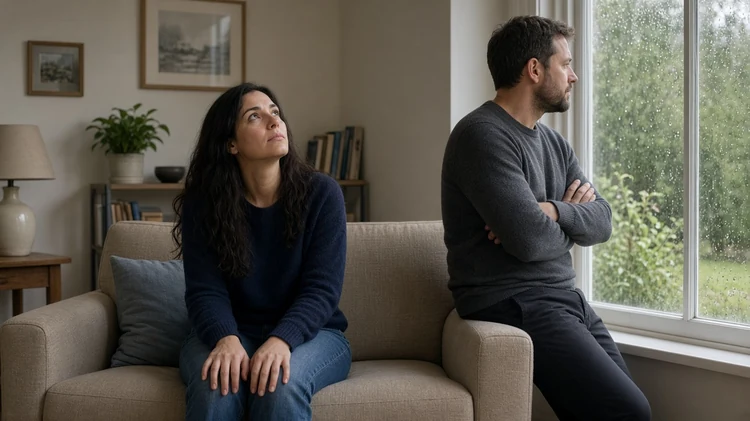

I've created this Am I the Problem quiz as a constructive self-check: a calm look at patterns you may bring to conflict - criticism and scorekeeping, how you repair, how you handle space, and what you do when things get hard.
This FREE quiz takes about 3-5 minutes. No email required. You'll get instant scores across four clear areas. Here's an example of the quiz results.
Jump To Quiz >>Criticism, contempt and scorekeeping:
This is when a complaint about one moment becomes a verdict on who they are, or a private list of everything they have ever got wrong. A fair complaint stays concrete ("I was hurt you did not text that you would be late"); criticism goes global ("You never think about anyone but yourself"). Contempt adds the sneer - sarcasm, mimicking, eye-rolling - and scorekeeping is the quieter version: old mistakes dragged into a new row, or a running tally of who does more. They stop hearing the request because they are busy defending their character, or living under a debt they cannot see. The antidote is one clear ask about one behaviour, without the archive and without the put-down.
Accountability and repair:
This is whether you can own your part without turning it into a contest, a trade, or a hollow "sorry." It sounds like "yes, but you started it," explaining why they took it the wrong way before you apologise, or saying sorry mainly to end the conversation. After a fight the replay is often about what they did, not the tone, timing or cheap shot you added. That stance feels fair when you are raw, and it leaves the original hurt unrepaired. The useful sequence is simple and hard: acknowledge the impact first, then add context if you need to. One specific admission without a "but you..." is often enough to get movement.
Space and control:
This is how you handle your partner having a life that is not only about you - plans you were not part of, friends, hobbies, a need that sits beside yours. Some preference for shared time is ordinary. It becomes a problem when independence turns into a threat: checking where they have been, cooling off when they make plans, or hinting they are selfish for putting themselves first. Over time they hide those plans, or stop making them, and closeness starts to feel like compliance. The constructive step is a direct request for connection ("I need this evening with you") without monitoring, vetoes or character hints - and telling the difference between being excluded and them having a self.
Withdrawal, leverage and honesty:
This is what you do with anger and truth when the conversation gets hard. It looks like building your reply while they are still talking, going quiet or saying "I'm fine" when you are not, withholding warmth until they come round, or floating "maybe we should end this" to get them to back down. A planned break with a return time is different from silence as a test. Conditional kindness turns everyday warmth into leverage, and exit threats make ordinary rows feel dangerous even when you did not mean them. The antidote is plain speech and a clean pause: name the feeling, say you need half an hour and when you will come back, and keep kindness and the argument in separate drawers.
The quiz below is an educational self-check, not a clinical diagnosis. Answer honestly about your own behaviour. It is not a verdict that you are "the problem," and it is not a reason to blame yourself for a partner's abuse or coercion.

Common questions about being the problem in a relationship
What does it mean if I am the problem in my relationship?
Meaning: your own habits are adding fuel to conflict more often than you repair it - not that you are a bad person or that your partner has done nothing wrong.
Common self-patterns: leading with criticism or contempt; struggling to own impact; pressuring their independence; using silence, warmth or exit talk as leverage.
Why it helps: naming those patterns is a constructive self-check. You can change behaviour without taking the whole relationship's blame.
How do I know if I am the toxic one in my relationship?
Signs to watch: attacking character instead of one behaviour; sarcasm, eye-rolling or old mistakes to win; explaining why they took it wrong before you apologise; checking where they have been or cooling off when they make plans without you; going quiet, saying you are fine when you are not, or floating ending the relationship to get them to back down.
Pattern vs slip: occasional slips are ordinary. A toxic tilt is when those moves are frequent, leave them walking on eggshells, or replace repair. This is about patterns, not a permanent label.
What are signs that I am too critical of my partner?
Complaint vs criticism: a fair complaint stays concrete ("I was hurt you did not text that you would be late"). Criticism goes global ("You never think about anyone but yourself").
Other signs: interrupting to correct details that feel unfair; keeping a private tally of who does more; dragging past failures into a new row. Contempt adds the sneer - sarcasm, mimicking, eye-rolling.
What helps: one clear ask about one behaviour, without the archive and without the put-down.
What does real accountability look like after a fight?
Definition: owning your part without a contest, a trade or a hollow sorry.
Not accountability: "yes, but you started it"; explaining why they took it the wrong way before you apologise; saying sorry mainly to end the conversation.
Useful sequence: acknowledge the impact first, then add context if you need to. One specific admission without a "but you..." is often enough to get movement.
Is wanting more time with my partner the same as being controlling?
Ordinary: wanting shared time is normal.
Controlling: their independence feels like a threat - checking where they have been, cooling off when they make plans, or hinting they are selfish for putting themselves first. Over time they hide plans or stop making them, and closeness starts to feel like compliance.
What helps: a direct request for connection ("I need this evening with you") without monitoring, vetoes or character hints - and telling the difference between being excluded and them having a self.
What is the difference between taking space and stonewalling?
Healthy pause: a planned break with a return time.
Stonewalling / leverage: building your reply while they are still talking; going quiet or saying "I'm fine" when you are not; withholding warmth until they come round; floating "maybe we should end this" to get them to back down. Conditional kindness turns warmth into a bargaining chip.
What helps: plain speech and a clean pause - name the feeling, say you need half an hour and when you will come back, and keep kindness and the argument in separate drawers.
Does taking an Am I the Problem quiz mean I am broken or diagnosed?
No. An Am I the Problem quiz is an educational self-check of relationship patterns, not a clinical diagnosis, medical assessment or formal therapy evaluation.
What scores mean: a private snapshot of how you answer today. They name habits to work on - they do not mean you are a bad partner, that the relationship is hopeless, or that you must own a partner's abuse or coercion.
Safety: if you feel unsafe, treat safety first (in the UK call 999 in immediate danger, or a domestic abuse helpline).
Can both partners be part of the problem in a relationship?
Yes. Many couples share a cycle where both add fuel - one criticises, the other withdraws; one pushes for closeness, the other protects space.
Self-check vs blame: asking "am I the problem?" means you are willing to look at your contribution so repair is possible - not that only one person is at fault.
Important distinction: mutual friction is different from one-sided abuse or control. If you are being coerced or intimidated, self-blame is the wrong frame and safety comes first.
About the quiz creator
Rhys Lewis MSc PgDip, is the founder of The Relationship Clinic Wales and a professionally qualified couples therapist.
He is the author of 300 Ways To Improve Your Relationship and Infidelity: A Survival Guide.
Rhys also reviews relationship advice books. You can find his list of best relationship advice books for 2026 here.
Connect with Rhys: