
Avoidant Attachment Detox by A.J. Brooks: A Therapist's Review and Key Takeaways for Couples in 2026
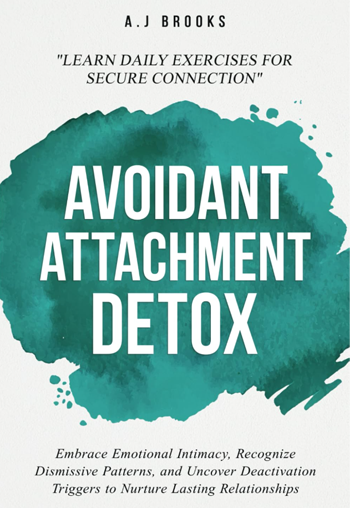
Listen to this review on a podcast

In my many years as a couples counsellor, I've seen clients encounter the quiet but powerful pull of avoidant attachment, where one partner instinctively creates distance the moment closeness feels threatening. This pattern often leaves the other feeling rejected or unimportant, even though the avoidant partner genuinely cares. When working with such couples, I have observed how fear of vulnerability can quietly erode trust over years, turning small disagreements into emotional standoffs that feel impossible to resolve without outside guidance.
This book offers a clear roadmap for identifying deactivation triggers such as sudden withdrawal after intimacy or the urge to regain independence when emotions run high. It explains these responses not as personal failings but as protective strategies learned early in life, which immediately reduces shame and opens the door to change.
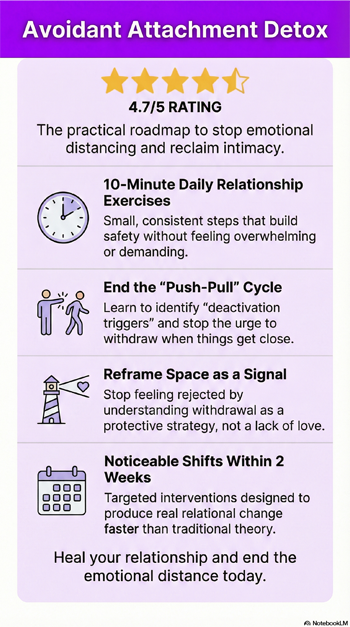
In my sessions, I have drawn directly from these insights to help clients reframe their partner's need for space as a signal rather than a rejection, leading to more patient and effective communication. The daily exercises are especially valuable because they encourage small, consistent steps that build emotional safety over time rather than demanding sudden dramatic shifts that can feel overwhelming for avoidant individuals.
Affiliate Disclosure: As an Amazon Associate, I earn from qualifying purchases. The links below are affiliate links, meaning if you click and make a purchase, I may receive a small commission at no extra cost to you. This helps keep my counselling session costs affordable for my clients.
Therapist's Quick Verdict: This is the best practical workbook for healing avoidant attachment in relationships. It is specifically designed for individuals and couples who recognise emotional distance creeping into their partnership and want structured daily practices rather than abstract theory. The book provides a clinical roadmap for spotting the precise moments when avoidant patterns become active, then replacing them with gentle, evidence-informed steps toward secure attachment that align with the attachment-based work I use in therapy. Couples often report that these targeted exercises reduce the cycle of pursuit and withdrawal far more effectively than general self-help advice because they address the root triggers directly.
| Author | A.J. Brooks |
| Publication Year | 2024 |
| Key Themes | avoidant-dismissive attachment, deactivation triggers, daily healing exercises, building emotional intimacy, moving toward secure connection |
| Who is this book best for | In my clinical experience, this book is best for individuals with avoidant attachment patterns or their partners who want practical tools to reduce emotional distance. If you or your partner tends to shut down during conflict, needs large amounts of alone time after closeness, or struggles to express vulnerability, this book maps directly onto those everyday challenges. The short daily exercises fit busy lifestyles and do not require hours of reading or joint therapy sessions. It is particularly helpful at the stage when couples recognise the pattern but feel stuck repeating it. I rate this book highly because its focus on actionable steps rather than endless analysis produces noticeable shifts in my clients' relationships within weeks rather than months. |
Key Features & Chapter Breakdown
A.J. Brooks structures the book around the core concept of deactivation, the automatic distancing behaviours that protect avoidant individuals from feeling overwhelmed by intimacy. Each section introduces a specific trigger such as emotional flooding after arguments or the sudden urge to regain independence and then offers simple reflection prompts and short exercises that can be completed in ten minutes a day. This format makes the material immediately usable for readers who may already feel drained by relationship tension and who need tools that respect their need for autonomy while gently encouraging connection. In my practice I have found this approach aligns well with the gradual exposure techniques used in attachment-focused therapy, allowing clients to experiment safely at their own pace.
The opening chapters provide a compassionate explanation of how avoidant attachment develops, using everyday examples that resonate with clients who grew up in homes where emotions were minimised or independence was prized above all else. Brooks avoids clinical jargon and instead frames these patterns as understandable survival strategies rather than character flaws. This perspective alone has helped many of my avoidant clients feel less defensive and more willing to engage in the work. The middle sections dive into practical identification of personal deactivation triggers through guided journaling and simple tracking exercises that reveal patterns without requiring deep emotional processing right away. Couples often report that sharing these insights in session leads to breakthroughs because the avoidant partner finally has language to describe what previously felt inexplicable.
The later chapters focus on rebuilding secure behaviours through daily practices such as scheduled vulnerability exercises, gentle re-engagement after withdrawal, and communication scripts that honour both partners' needs. These are not generic relationship tips but targeted interventions designed specifically for the avoidant nervous system. I have integrated several of these exercises into my own couples work with excellent results, particularly for partners who previously found traditional therapy talk too intense. The book concludes with maintenance strategies and relapse prevention, ensuring that the progress made is sustainable long after the final page. Overall the structure feels like a supportive coach walking alongside the reader rather than a demanding instructor.
Review & Analysis
This evidence-based guide stands out for its approachable explanation of personality traits in relationships:
- Strengths: The book's greatest strength lies in its collection of short, repeatable daily exercises that directly target deactivation moments without requiring hours of introspection. Brooks presents avoidant patterns with genuine empathy, helping readers feel understood rather than criticised. The integration of attachment theory with simple behavioural steps is rigorous yet accessible, and the real-life examples feel relatable to the couples I see weekly. Many clients tell me the book gave them their first clear map of what was happening inside during those familiar moments of emotional shutdown.
- Weaknesses: Because the book is concise and focused on practical application, it does not explore attachment theory in the same academic depth as more comprehensive texts. Readers seeking extensive research citations or detailed neurobiological explanations may need to supplement their reading. These are minor limitations that do not detract from the book's primary purpose as a hands-on detox programme.
- Practical Applications: The exercises translate directly into daily life. When an avoidant partner feels the familiar urge to retreat after an emotional conversation, the book provides immediate grounding techniques and re-engagement prompts that prevent the usual cycle of distance and resentment. Partners of avoidants learn how to respond without chasing or criticising, creating a safer environment for closeness. I often recommend specific chapters to clients between sessions because the practices reinforce the relational repair work we do together.
- Current Relevance: In 2026, with increased awareness of neurodiversity and the lingering effects of pandemic-era isolation, this book's focus on gentle, self-paced healing feels especially timely. Modern relationships often involve high-achieving individuals who value independence yet long for deeper connection. The framework complements therapies such as Emotionally Focused Therapy by giving clients concrete tools they can use at home, making professional support even more effective.
Pros and Cons
| Pros | Cons |
|---|---|
| Daily exercises that produce quick, noticeable shifts in avoidant behaviours | Less emphasis on joint couple activities than some readers might prefer |
| Compassionate tone that reduces shame around attachment patterns | Brief treatment of broader attachment research for those wanting deeper theory |
| Practical tools that fit busy lifestyles and respect the need for autonomy | Some examples may feel more relevant to certain cultural contexts |
Comparisons & Alternatives
If you are looking for a broad scientific overview of all attachment styles including anxious, secure and disorganised, then Attached by Amir Levine and Rachel Heller remains the classic choice. For readers whose primary concern is supporting a partner with avoidant tendencies while managing their own anxiety, Loving an Avoidant Partner by Krista Cantell offers valuable perspective from the other side of the dynamic. Avoidant Attachment Detox sits comfortably in the middle: more focused and exercise-driven than Attached yet more individually empowering than books written solely from the anxious partner's viewpoint. I often recommend starting with this detox programme and then moving to Attached for wider context or to the partner-focused book when both members of the couple are ready to work together.
| Book | Focus | Best For |
|---|---|---|
| Avoidant Attachment Detox by A.J. Brooks Check price ❯❯ | Daily exercises targeting deactivation triggers in avoidant attachment | Individuals or couples wanting practical self-help steps to build secure intimacy |
| Attached by Amir Levine and Rachel Heller Check price ❯❯ | Scientific explanation of all four attachment styles | Readers seeking a foundational understanding of attachment theory across relationships |
| Loving an Avoidant Partner by Krista Cantell Check price ❯❯ | Strategies for partners of avoidant individuals | Anxious partners wanting tools to navigate and improve relationships with avoidant loved ones |
Therapist's Buying Guide
When selecting books on attachment styles for relationship work, I advise clients to look first for titles grounded in established attachment theory yet written with practical application in mind. The most helpful resources include concrete exercises that can be practised between sessions rather than only theoretical explanations. Prioritise books that address specific triggers like deactivation or protest behaviour because these patterns are what most couples actually experience day to day. Readability is equally important: the best guides use everyday language and avoid overwhelming readers with academic terminology while still respecting the science. Finally, choose books that promote self-compassion and gradual change rather than promising instant transformation, as this approach mirrors the realistic pace of lasting relational healing I see in therapy.
FAQs
Is Avoidant Attachment Detox suitable for people who are single?
Yes. The book focuses first on personal healing and self-understanding, making it an excellent resource for anyone wanting to prepare for healthier future relationships or simply improve their relationship with themselves.
Can this book help both partners in a couple where only one has avoidant attachment?
Absolutely. The exercises are written for the avoidant individual but include guidance for partners on how to respond supportively, creating a shared language that many couples find transformative.
How does this book compare to traditional couples therapy?
It serves as an excellent complement rather than a replacement. Many clients use the daily practices to accelerate progress between sessions and maintain gains after therapy ends.
Is the book too basic for someone already familiar with attachment theory?
No. While the theory section is concise, the depth of the practical exercises and trigger identification tools offers fresh value even for those who have read broader attachment books before.
Will reading this book fix my relationship on its own?
It provides powerful tools and insight, but lasting change usually benefits from combining the book with professional support when patterns are deeply entrenched or safety concerns exist.
How long does it take to see results from the exercises?
Most clients notice small but meaningful shifts within two to three weeks of consistent daily practice, with deeper relational changes building over one to two months.
Conclusion
From a therapeutic perspective this book provides a robust clinical roadmap for understanding the biological and learned underpinnings of avoidant relational patterns. The deactivation framework aligns closely with the attachment-informed and cognitive-behavioural techniques I use in sessions by offering a non-pathologising language for the very behaviours that often leave partners feeling rejected. Couples who internalise these concepts frequently experience rapid movement from blame to curiosity, creating the emotional safety required for deeper repair work that lasts far beyond the therapy room.
This book is especially well suited for individuals and couples who have spent years quietly managing emotional distance yet still long for genuine closeness. It directly addresses the pain point of feeling perpetually misunderstood or insufficiently connected despite genuine love. The short daily format fits the lifestyle of busy professionals and parents who need insight without lengthy workbooks or abstract theory, allowing real change to happen in the moments that matter most in daily life.
The core outcome is greater compassion, clearer communication and the ability to stay present when emotions rise. If recurring emotional withdrawal or fear of vulnerability has left you or your partner feeling disconnected, this book offers a scientifically sound, compassionate path toward acceptance and collaboration. I recommend it to clients as a practical resource that continues to inform their progress long after the final page.
Affiliate Disclosure: As an Amazon Associate, I earn from qualifying purchases. The links above are affiliate links, meaning if you click and make a purchase, I may receive a small commission at no extra cost to you. This helps keep my counselling session costs affordable for my clients. View the full Amazon Affiliate Disclosure.
About the Book Reviewer
Rhys Lewis MSc PgDip, is the founder of The Relationship Clinic Wales and a professionally qualified couples therapist.
He is the author of 300 Ways To Improve Your Relationship and Infidelity: A Survival Guide.
Rhys provides these reviews to help clients and readers find the most effective, evidence-based tools for relationship health. View his list of best relationship advice books for couples in 2026 here.
Connect with Rhys: