
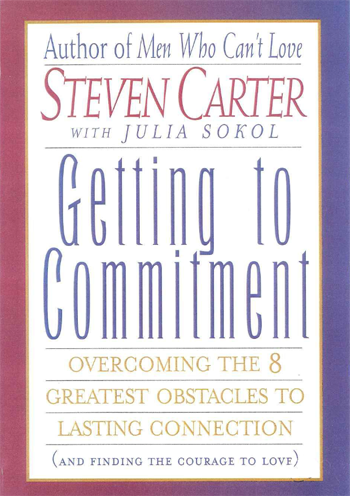
Getting to Commitment: Overcoming the 8 Greatest Obstacles to Lasting Connection by Steven Carter: A Therapist's Review and Key Takeaways for Couples in 2026
Listen to this review on a podcast

Many couples struggle with the painful gap between wanting lasting love and actually being able to step into it fully. In my role as a couples counsellor I've seen how one partner can pull away at the first sign of deeper closeness, the other feels rejected and starts to doubt the relationship, and before long the connection begins to fray.
This pattern is far more common than many realise, and it often stems not from a lack of love but from hidden obstacles that quietly block the path to true commitment. This book offers one of the most compassionate and structured roadmaps I have encountered for helping people move beyond that hesitation and into the secure, enduring partnership they long for.
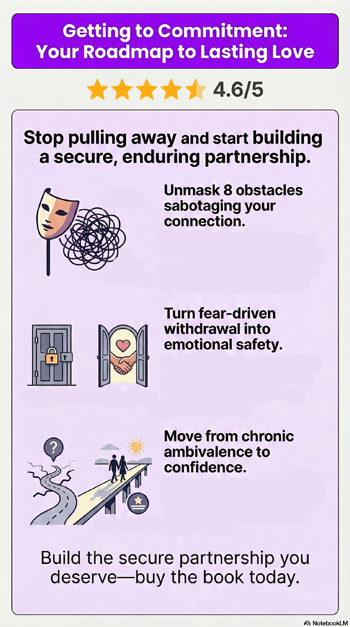
The book's main benefits lie in its gentle yet direct way of naming the eight specific obstacles that most often sabotage lasting connection, then showing readers exactly how to work through each one with honesty and courage. In my sessions I have drawn on these insights to help clients who felt stuck in on-again, off-again relationships or who carried the quiet fear that they were simply 'not the marrying type'.
Affiliate Disclosure: As an Amazon Associate, I earn from qualifying purchases. The links below are affiliate links, meaning if you click and make a purchase, I may receive a small commission at no extra cost to you. This helps keep my counselling session costs affordable for my clients.
Therapist's Quick Verdict: This is the best practical guide for overcoming commitment barriers in long-term relationships. It is specifically designed for partners who sense that fear or past patterns are quietly undermining their chance at lasting love. It provides a clinical roadmap to the eight most common obstacles - from fear of losing independence to unresolved emotional wounds - helping couples replace avoidance with the emotional safety and courage needed for genuine connection. This approach solves the clinical problem of chronic relational ambivalence better than many contemporary titles by focusing on internal barriers first, creating the foundation for trust to grow naturally.
| Author | Steven Carter |
| Publication Year | 1998 |
| Key Themes | 8 obstacles to commitment, courage to love, overcoming fear of intimacy, building lasting connection |
| Who is this book best for | In my clinical experience, this book is best for individuals and couples who feel repeatedly stuck just short of full commitment. If you are looking for a compassionate, step-by-step exploration of why you or your partner pull back from deeper intimacy, or why relationships seem to stall despite genuine affection, this is my top recommendation. The book maps directly onto common relationship pain points such as chronic ambivalence, fear-driven withdrawal and the silent erosion of trust that leaves couples wondering whether lasting love is even possible. It is especially valuable for those in the early-to-mid stages of a serious relationship who sense that something invisible is holding them back. I rate it highly because the framework has helped many of my clients move from hesitation to confident, shared commitment. |
Key Features & Chapter Breakdown
Steven Carter organises the entire book around the identification and gentle dismantling of eight specific obstacles that most commonly prevent people from achieving the lasting connection they desire. Each obstacle is presented with clarity and empathy, supported by relatable examples drawn from real lives rather than abstract theory. This structure makes the material immediately usable for readers who want to understand their own patterns without feeling judged or overwhelmed.
The opening chapters lay essential groundwork by exploring why commitment feels both deeply attractive and strangely threatening to so many of us. Carter explains the psychological and emotional costs of staying in a half-committed state and invites readers to examine their personal history with love and loss. As a therapist I often use these early sections in sessions because they help clients reframe their hesitation not as a personal flaw but as a protective response that can be understood and gently updated. The middle portion of the book then moves systematically through each of the eight obstacles, offering insight into how they operate and practical ways to begin releasing their grip. Readers learn to recognise behaviours such as chronic blame, emotional withdrawal or the habit of keeping one foot out the door, then discover kinder, more constructive alternatives that strengthen rather than sabotage the relationship.
The concluding chapters shift focus toward building the courage required for genuine love. Here Carter provides thoughtful guidance on how to create the safety and honesty that allow commitment to take root and flourish. These sections feel especially therapeutic because they emphasise small, consistent actions rather than dramatic gestures, aligning perfectly with the gradual, trust-building work I encourage in my counselling practice. Couples who read together often report that these final chapters give them a shared language and concrete next steps they can begin applying the very same week.
Review & Analysis
This evidence-based guide stands out for its approachable explanation of personality traits in relationships:
- Strengths: The book's greatest strength is its balanced, compassionate presentation of the eight obstacles that quietly undermine lasting love. Carter never suggests there is something wrong with the reader; instead she shows that every hesitation carries both understandable reasons and workable solutions. This aligns closely with the acceptance-based approach I use in couples therapy. The integration of emotional insight, practical reflection questions and real-life stories is rigorous yet explained in clear, engaging prose that never feels clinical or distant. Clients frequently tell me the book helped them feel seen for the first time in years.
- Weaknesses: Published in 1998, some of the cultural references and examples have a slightly dated feel for readers in 2026. The book is also more focused on individual inner work than on structured couple exercises, so readers seeking detailed joint activities may wish to supplement it with a more interactive workbook. A small number of illustrations reflect the era in which it was written, though the core emotional truths remain remarkably solid and relevant.
- Practical Applications: The book's descriptions of each obstacle translate directly into everyday relationship moments. A partner who suddenly becomes distant when the relationship deepens can be understood not as uncaring but as reacting to one of the eight classic fears. Readers learn simple self-reflection questions they can ask themselves or share with their partner during calm conversations, turning potential arguments into opportunities for greater closeness and understanding.
- Current Relevance: Relevance to modern relationships remains exceptionally high in 2026. With increased awareness of attachment styles and the impact of past relational trauma, clients appreciate a book that normalises hesitation without pathologising it. The framework also complements evidence-based approaches such as Emotionally Focused Therapy by providing a clear map of the internal barriers that often block secure attachment from forming.
Pros and Cons
| Pros | Cons |
|---|---|
| Compassionate and non-judgemental exploration of eight real obstacles | Some examples reflect 1990s cultural context |
| Clear, actionable steps that build courage for lasting love | More individual reflection than structured couple exercises |
| Timeless emotional insights that remain clinically useful today | Limited discussion of modern digital influences on commitment |
Comparisons & Alternatives
If your primary struggle is the fear of stepping fully into commitment despite genuine love, Steven Carter's book remains the clearest and most compassionate choice. For couples already dealing with the painful aftermath of betrayal and needing specific tools to rebuild broken trust, Rebuilding Trust: A Couple's Guide to Healing After Betrayal by Matt and Laura Burton offers a more targeted, step-by-step recovery process. Readers who want a broader, preventive approach to strengthening emotional safety before major problems arise will find How to Build Trust in a Relationship: Strengthen Emotional Safety, Rebuild Broken Bonds by Sophie Hartman especially helpful. Carter's work sits comfortably between the two: more focused on the internal obstacles to commitment than the Burton book, yet more emotionally insightful and less technique-heavy than Hartman's guide.
| Book | Focus | Best For |
|---|---|---|
| Getting to Commitment: Overcoming the 8 Greatest Obstacles to Lasting Connection by Steven Carter Check price ❯❯ | Internal obstacles and courage to love | Couples or individuals facing commitment fears |
| Rebuilding Trust: A Couple's Guide to Healing After Betrayal by Matt and Laura Burton Check price ❯❯ | Healing after betrayal and infidelity | Couples recovering from broken trust |
| How to Build Trust in a Relationship: Strengthen Emotional Safety, Rebuild Broken Bonds by Sophie Hartman Check price ❯❯ | Preventive emotional safety and trust building | Couples wanting to strengthen bonds early |
Therapist's Buying Guide
When selecting books on commitment and trust to support relationship work, look first for a strong, experience-based foundation that names specific internal barriers rather than offering only surface-level communication tips. Prioritise titles that include reflective questions couples can explore together and that emphasise emotional safety over quick fixes. The most useful resources also acknowledge that commitment grows gradually through small, consistent acts of courage rather than one dramatic decision. Readability matters: the best books explain complex emotional patterns without jargon while still respecting the depth of the struggle. Finally, choose titles that encourage acceptance of natural human fears rather than promising to eliminate them entirely, as this compassionate stance aligns most closely with effective long-term couples therapy and real-world relational growth.
FAQs
Is this book suitable for couples already in crisis?
Yes. While it shines for those who sense hesitation before full commitment, many couples in crisis have used its insights to understand the underlying fears that contributed to their difficulties and begin rebuilding from a place of compassion.
Can it help someone with long-standing commitment phobia?
Absolutely. Carter's gentle exploration of the eight obstacles gives a clear name and pathway through the fears that keep people from fully investing, making it especially valuable for those who have repeatedly sabotaged promising relationships.
How does it compare to attending therapy sessions?
It is an excellent complement rather than a replacement. Many clients use the book's reflections to accelerate progress between sessions and arrive with greater self-awareness and readiness to work on their patterns together.
Is the advice still relevant in 2026?
The core emotional truths about fear, vulnerability and the courage required for lasting love remain timeless. Modern readers simply translate the examples into contemporary contexts such as digital dating or blended families.
Does the book include practical exercises for couples?
It offers reflective questions and gentle invitations to dialogue that couples can use immediately, though they are more conversational than structured workbook tasks.
Will it address trust issues after infidelity?
Indirectly yes. Understanding the obstacles that may have contributed to the breach and learning how to rebuild courage and safety can support the healing process alongside more specialised betrayal recovery work.
How long does it take to read and apply?
Most readers finish the book in one to two weeks reading a chapter or two per evening, with the reflective questions providing natural pauses to begin applying the insights right away.
Conclusion
From a therapeutic perspective this book provides a robust clinical roadmap for understanding the internal barriers that prevent secure attachment from forming. Its framework aligns closely with attachment-informed and cognitive-behavioural work by offering a non-pathologising language for the fears and protective patterns that show up as commitment hesitation. Couples who grasp these eight obstacles often experience rapid shifts from blame and withdrawal to curiosity and collaborative problem-solving, creating the emotional safety needed for deeper therapeutic repair both in and outside the counselling room.
This book is especially well suited for couples who have spent years circling around full commitment without ever quite arriving. It directly addresses the pain point of feeling simultaneously drawn to and frightened by lasting love. The clear chapter structure and reflective questions fit the lifestyle of busy professionals and parents who need meaningful insight without lengthy workbooks or abstract theory, allowing them to make steady progress at their own pace.
The core outcome is greater compassion and more effective communication. If recurring hesitation or emotional distance has left you feeling disconnected from your partner, this book offers a compassionate, clinically sound path toward acceptance and genuine collaboration. I recommend it to clients as a reference book that continues to inform their progress long after the final page.
Affiliate Disclosure: As an Amazon Associate, I earn from qualifying purchases. The links above are affiliate links, meaning if you click and make a purchase, I may receive a small commission at no extra cost to you. This helps keep my counselling session costs affordable for my clients. View the full Amazon Affiliate Disclosure.
About the Book Reviewer
Rhys Lewis MSc PgDip, is the founder of The Relationship Clinic Wales and a professionally qualified couples therapist.
He is the author of 300 Ways To Improve Your Relationship and Infidelity: A Survival Guide.
Rhys provides these reviews to help clients and readers find the most effective, evidence-based tools for relationship health. View his list of best relationship advice books for couples in 2026 here.
Connect with Rhys: