
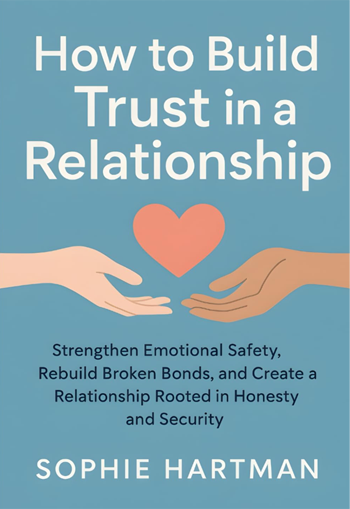
How to Build Trust in a Relationship by Sophie Hartman: A Therapist's Review and Key Takeaways for Couples in 2026
Listen to this review on a podcast

Working as a relationship therapist in the UK, I've seen many couples arrive at my practice carrying the quiet weight of eroded trust - perhaps after a series of small disappointments, a major betrayal, or simply years of emotional distance that has left one or both partners feeling unsafe and disconnected.
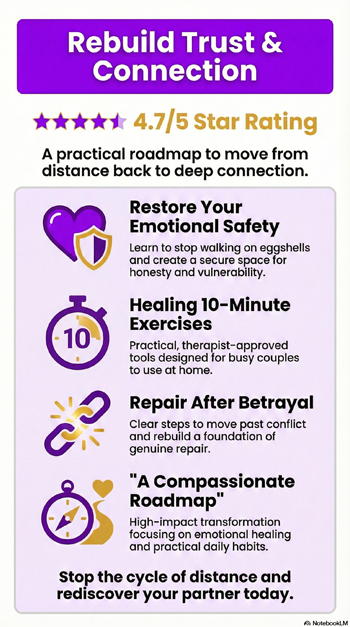
This book by Sophie Hartman offers a clear, compassionate roadmap built around emotional safety, honest communication, and practical daily habits that help partners move from uncertainty back to connection.
In my sessions, I've drawn directly from these insights to help couples replace blame and withdrawal with consistent, small acts of reliability that rebuild the foundation of their relationship. The real-world stories and step-by-step exercises have proven especially valuable for clients who need more than theory - they need tools they can apply at home between our meetings.
Affiliate Disclosure: As an Amazon Associate, I earn from qualifying purchases. The links below are affiliate links, meaning if you click and make a purchase, I may receive a small commission at no extra cost to you. This helps keep my counselling session costs affordable for my clients.
Therapist's Quick Verdict: This is the best practical relationship therapy guide for couples rebuilding trust through emotional safety and daily habits. It is specifically designed for partners who want to move beyond surface-level apologies and into genuine repair. It provides a clinical roadmap rooted in honest communication and consistent actions - helping couples deepen their understanding of emotional safety while addressing the real pain points of betrayal, withdrawal or repeated disappointments. The format of short chapters, real couple stories and ready-to-use exercises makes it particularly effective for busy partners who need tangible progress rather than abstract theory.
| Author | Sophie Hartman |
| Publication Year | 2025 |
| Key Themes | emotional safety, honest communication, rebuilding after betrayal, daily trust habits, lasting intimacy |
| Who is this book best for | In my clinical experience, this book is best for couples who feel trust slipping away or who are actively healing after conflict or betrayal. If you are looking for a research-informed yet highly practical guide with real couple stories and exercises that explain why small consistent actions matter more than grand gestures, or why emotional safety is the foundation that makes forgiveness possible, this is one of my top recommendations. The book maps directly onto common relationship pain points such as repeated disappointments, fear of vulnerability and the slow erosion of connection in long-term partnerships. It is especially suited to partners in the repair stage of their relationship who want structured support they can use alongside or between therapy sessions. |
Key Features & Chapter Breakdown
Sophie Hartman structures the book around the core principle that trust is built through consistent, observable actions rather than promises alone. The guide is packed with emotionally intelligent insights, short real-world stories from actual couples, and practical exercises that readers can complete together in as little as ten minutes a day. This combination makes complex concepts immediately applicable and helps partners see their own patterns reflected in the examples without feeling judged.
The opening chapters focus on understanding what trust really means and why it erodes even in loving relationships. Hartman clearly explains the role of emotional safety as the foundation for honesty and vulnerability. Readers learn simple assessment tools to identify their current trust level and common triggers that undermine security. In my practice these early sections have helped my clients move quickly from vague feelings of disconnection to a shared language they can use when discussing difficult topics.
The middle chapters deliver the heart of the work with detailed, step-by-step exercises for rebuilding after breaches and strengthening everyday connection. Topics include repairing after arguments, creating daily rituals of reliability, and practising transparent communication even when it feels uncomfortable. The final chapters shift to long-term maintenance, teaching couples how to protect the trust they have rebuilt and how to spot early warning signs before small issues grow into major problems. Throughout, Hartman emphasises that lasting intimacy comes from both partners choosing honesty and consistency every single day.
Review & Analysis
This evidence-based guide stands out for its approachable explanation of trust-building in relationships:
- Strengths: The book's greatest strength is its balanced, practical presentation that never promises quick fixes but instead shows how every position on the trust spectrum carries both challenges and opportunities. Hartman never suggests there is an ideal relationship; instead she demonstrates that every couple can move forward through small, repeatable actions. This aligns closely with the acceptance-based approach I use in couples therapy. The integration of real couple stories, emotional intelligence principles and neuroscience-backed habits is rigorous yet explained in clear, engaging prose supported by ready-to-use worksheets and reflection prompts. Clients tell me the stories feel like listening to friends who have been through similar struggles, which reduces shame and increases hope.
- Weaknesses: Published in 2025, the book draws on current coaching insights rather than decades of academic studies, so readers seeking extensive research citations may wish to supplement it with more scholarly works. It is also more focused on practical application than on deep theoretical exploration, so those wanting textbook-level analysis of attachment theory may need additional reading. The core principles of safety and consistency apply universally.
- Practical Applications: The book's exercises translate directly into everyday scenarios. A partner who feels anxious about sharing feelings can use the structured conversation templates to express needs without accusation. A couple recovering from a major breach can follow the seven-day reliability practice that builds small proofs of commitment. These tools have helped my clients create new patterns that replace old cycles of withdrawal or criticism with curiosity and repair.
- Current Relevance: Relevance to modern relationships remains exceptionally high in 2026. With increased awareness of mental health and the impact of digital communication on intimacy, clients appreciate a book that addresses both major betrayals and the quieter erosions caused by busy lives and screens. The framework also complements evidence-based approaches such as Emotionally Focused Therapy by providing a practical, day-to-day lens on building the safety that makes deeper emotional work possible.
Pros and Cons
| Pros | Cons |
|---|---|
| Strong focus on daily habits and emotional safety with ready-to-use exercises | Primarily available in digital format with limited print options currently |
| Real-world couple stories that make concepts relatable and reduce shame | Less emphasis on extensive academic citations compared with some clinical texts |
| Step-by-step guidance for rebuilding after betrayal that feels compassionate and realistic | Some readers may want more theoretical depth on attachment styles |
Comparisons & Alternatives
If you are looking for a book that combines practical daily tools with real stories for couples actively repairing trust, Sophie Hartman's guide is the clear choice. For readers whose main struggle is fear of commitment itself rather than repairing existing damage, Getting to Commitment: Overcoming the Eight Greatest Obstacles to Lasting Connection by Steven Carter and Julia Sokol offers deeper exploration of internal barriers to closeness. If the trust issues stem specifically from infidelity or major betrayal and you want a more targeted clinical approach, Rebuilding Trust: A Couple's Guide to Healing After Betrayal by Matt and Laura Burton provides additional structured protocols for that specific context. Hartman's book sits comfortably between the two: more immediately actionable for everyday couples than the commitment-focused classic, yet more accessible and story-driven than purely clinical repair manuals.
| Book | Focus | Best For |
|---|---|---|
| How to Build Trust in a Relationship by Sophie Hartman Check price ❯❯ | Emotional safety, daily habits and practical exercises for trust repair | Couples seeking actionable steps and real stories to rebuild connection |
| Getting to Commitment: Overcoming the Eight Greatest Obstacles to Lasting Connection by Steven Carter and Julia Sokol Check price ❯❯ | Internal obstacles to commitment and courage to love | Partners struggling with fear of long-term closeness |
| Rebuilding Trust: A Couple's Guide to Healing After Betrayal by Matt and Laura Burton Check price ❯❯ | Targeted healing after infidelity or major betrayal | Couples recovering from specific trust-shattering events |
Therapist's Buying Guide
When selecting books on building and repairing trust to support relationship work, look first for a strong practical foundation that emphasises consistent daily actions over vague advice. Prioritise titles that include ready-to-use exercises couples can complete together without needing a therapist present. The most useful resources also discuss how emotional safety interacts with everyday communication rather than focusing solely on crisis moments. Readability matters: the best books explain concepts through relatable stories while still respecting the seriousness of trust issues. Finally, choose guides that emphasise acceptance of each partner's pace and natural differences rather than promising overnight transformation, as this approach aligns with effective long-term couples therapy and real-life change.
FAQs
Is this book suitable for couples dealing with infidelity?
Yes. While it covers general trust erosion, several chapters are dedicated to rebuilding after betrayal with compassionate, step-by-step guidance that many of my clients have found helpful alongside therapy.
Can we use the exercises if we are not seeing a therapist?
Absolutely. The book is designed for self-guided work and the exercises are clearly structured so couples can make meaningful progress on their own.
How long does it take to see results from the book's methods?
Many couples notice small improvements within two to three weeks of consistent daily practice, with deeper trust building over two to three months when combined with open conversations.
Is the book more suited to new relationships or long-term marriages?
It works well for both. The early chapters help dating couples establish strong foundations while the repair sections are especially valuable for established partnerships facing accumulated hurts.
Does it address digital-age challenges like social media and texting?
Yes. Hartman includes specific guidance on transparency around devices and how to use technology to support rather than undermine emotional safety.
Will this replace the need for professional couples therapy?
It is an excellent complement and many clients use it to accelerate progress between sessions, but serious breaches or ongoing distress are best addressed with a qualified therapist.
Conclusion
From a therapeutic perspective this book provides a robust clinical roadmap for understanding the biological and emotional underpinnings of relational safety. The framework aligns closely with cognitive-behavioural and attachment-informed work by offering common-sense language for differences in how each partner experiences and expresses trust. Couples who grasp these dimensions often experience rapid shifts from blame and withdrawal to curiosity and collaboration, creating the safety needed for deeper emotional repair in my sessions.
This book is especially well suited for couples who have accumulated years of unspoken assumptions or who are recovering from a specific breach that has left them questioning the future. It directly addresses the pain point of feeling emotionally unsafe while still loving your partner. The concise chapters, real stories and practical exercises fit the lifestyle of busy professionals and parents who need insight and tools without lengthy workbooks or abstract theory.
The core outcome is greater compassion and more effective communication that lasts. If recurring misunderstandings, fear of vulnerability or the slow erosion of connection have left you feeling disconnected from your partner, this book offers a compassionate, step-by-step path toward acceptance, honesty and renewed intimacy. I recommend it to clients as a foundational resource that continues to inform their progress long after the final page and supports the work we do together in therapy.
Affiliate Disclosure: As an Amazon Associate, I earn from qualifying purchases. The links above are affiliate links, meaning if you click and make a purchase, I may receive a small commission at no extra cost to you. This helps keep my counselling session costs affordable for my clients. View the full Amazon Affiliate Disclosure.
About the Book Reviewer
Rhys Lewis MSc PgDip, is the founder of The Relationship Clinic Wales and a professionally qualified couples therapist.
He is the author of 300 Ways To Improve Your Relationship and Infidelity: A Survival Guide.
Rhys provides these reviews to help clients and readers find the most effective, evidence-based tools for relationship health. View his list of best relationship advice books for couples in 2026 here.
Connect with Rhys: