
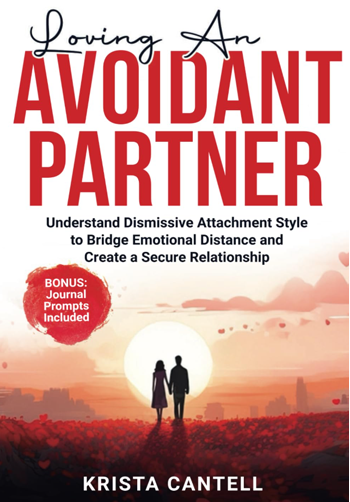
Loving an Avoidant Partner: Understand Dismissive Attachment Style to Bridge Emotional Distance and Create a Secure Relationship by Krista Cantell: A Therapist's Review and Key Takeaways for Couples in 2026
Listen to this review on a podcast

As a relationship therapist, I've seen many clients encounter the deep frustration of loving an avoidant partner - the repeated experience of reaching out for emotional closeness only to sense a wall go up, leaving one partner feeling invisible and the other overwhelmed. This pursue-withdraw pattern is one of the most common challenges I address in sessions, often rooted in dismissive avoidant attachment where independence feels safer than vulnerability.
This book offers a clear and compassionate explanation of why avoidant partners distance themselves and provides practical steps to create the secure love both partners deserve. In my sessions I have drawn on similar insights to help couples reframe withdrawal as a protective response rather than rejection, leading to greater empathy, calmer conversations and gradual rebuilding of trust. The approach aligns with the acceptance-based work I use every day, turning recurring pain points into opportunities for connection.
Affiliate Disclosure: As an Amazon Associate, I earn from qualifying purchases. The links below are affiliate links, meaning if you click and make a purchase, I may receive a small commission at no extra cost to you. This helps keep my counselling session costs affordable for my clients.
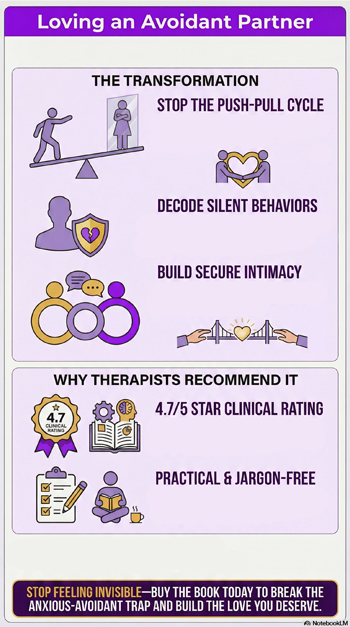
Therapist's Quick Verdict: This is the best practical guide for partners of dismissive avoidant individuals seeking to build secure attachment. It is specifically designed for those experiencing emotional distance in relationships and delivers a clinical roadmap grounded in attachment theory to decode avoidant behaviors, implement boundary-respecting communication and promote mutual healing. The book solves the common problem of the anxious-avoidant trap better than general titles by focusing directly on the experience of loving an avoidant partner while encouraging self-work that respects both individuals' needs.
| Author | Krista Cantell |
| Publication Year | 2023 |
| Key Themes | dismissive avoidant attachment, bridging emotional distance, secure connection strategies, compassionate communication, personal growth in relationships |
| Who is this book best for | In my clinical experience, this book is best for partners who feel repeatedly emotionally disconnected from an avoidant loved one. If you are tired of the cycle where your attempts at closeness are met with withdrawal and you want evidence-based ways to create safety and intimacy, this book maps directly onto that pain point. The step-by-step format suits busy adults who need clear, non-judgemental guidance rather than lengthy theory. It is particularly valuable for couples in established relationships where the avoidant pattern has become entrenched yet both partners remain committed to growth. I rate it highly because it delivers realistic hope grounded in attachment theory that I see translate into meaningful progress in therapy. |
Key Features & Chapter Breakdown
Krista Cantell opens with a clear introduction to attachment theory, explaining how early childhood experiences shape dismissive avoidant patterns in adulthood. Readers learn why an avoidant partner may appear independent or emotionally unavailable without it being a personal rejection. This foundation is especially helpful for clients I see who blame themselves for the distance, allowing them to shift toward empathy and reduce self-doubt right from the start.
The core sections explore the typical dynamics in a relationship with an avoidant partner, including the classic pursue-withdraw cycle and the fear-based roots of emotional distancing. Cantell provides relatable examples that mirror the stories I hear in counselling sessions, helping readers identify their own patterns without feeling criticised. The focus remains practical, showing how small changes in approach can create safety for the avoidant partner to open up gradually.
Later chapters deliver concrete strategies for fostering closer bonds and improving dialogue, such as using I statements, active listening without interruption and establishing daily affection rituals. These tools are straightforward and conservative in tone, aligning with the common-sense advice I give couples who want sustainable progress rather than dramatic overhauls. I have seen clients implement these ideas with positive results in reducing conflict and increasing feelings of security.
The final part addresses personal growth and decision-making, encouraging readers to reflect on their own needs, shared values and long-term compatibility. Exercises like journaling childhood influences and creating a comfort zone map support self-awareness while respecting the avoidant partner's boundaries. This balanced approach helps couples decide whether to invest further or seek additional support, always with an emphasis on mutual respect and realistic expectations.
Review & Analysis
This evidence-based guide stands out for its approachable explanation of dismissive avoidant attachment in relationships:
- Strengths: The book's greatest strength is its compassionate and non-blaming view of avoidant behaviors as protective mechanisms developed in childhood. This perspective aligns closely with the acceptance-based techniques I use in couples therapy. Readers gain a deep understanding of the avoidant inner world alongside practical steps that respect both partners' comfort levels, leading to reduced resentment and more effective attempts at connection in real life.
- Weaknesses: Some sections could include more updated research on attachment plasticity, although the core principles remain solid and widely applicable. The book is written primarily from the perspective of the partner seeking closeness, so avoidant readers may need to adapt the advice slightly, yet the overall framework still offers valuable self-insight.
- Practical Applications: The strategies translate directly into everyday interactions. Couples can start with simple rituals like sharing one positive moment each evening or practicing calm responses to withdrawal triggers. These small, consistent actions help build the safety that allows an avoidant partner to lower their guard without feeling pressured, which I have observed leading to noticeable improvements in emotional availability over weeks and months.
- Current Relevance: In today's fast-paced world where many adults carry stress from work and family, this book addresses modern relational challenges with timeless wisdom. It complements approaches like Emotionally Focused Therapy by providing a self-help bridge that clients can use between sessions, making it especially relevant for couples balancing busy lives while wanting deeper intimacy.
Pros and Cons
| Pros | Cons |
|---|---|
| Empathetic and non-judgemental explanation of avoidant behaviors | Primarily written for the non-avoidant partner |
| Actionable communication tools that respect boundaries | Some exercises require consistent personal effort |
| Clear path toward building secure attachment together | Less emphasis on severe clinical cases needing professional help |
Comparisons & Alternatives
For readers whose main struggle is their own anxious attachment, Defeat Anxious Attachment offers focused self-awareness and healing tools that pair well with this book's guidance on supporting an avoidant partner. If you are looking for a broader overview of all attachment styles and how they contribute to self-sabotaging patterns, Attachment Styles Explained provides an excellent starting point before diving into specific avoidant dynamics. Loving an Avoidant Partner stands out as the most targeted and practical choice for those already in a relationship with a dismissive avoidant partner, delivering specialised strategies that the other titles support but do not replace.
| Book | Focus | Best For |
|---|---|---|
| Loving an Avoidant Partner: Understand Dismissive Attachment Style to Bridge Emotional Distance and Create a Secure Relationship by Krista Cantell Check price ❯❯ | Dismissive avoidant specific strategies for secure connection | Partners of avoidant individuals seeking to bridge emotional distance |
| Defeat Anxious Attachment: Self-Awareness, Relationship Strategies, and Healing Tools to Overcome Insecure Attachment and Build Secure, Lasting Love Check price ❯❯ | Healing anxious attachment and self-work | Individuals with anxious attachment wanting personal growth |
| Attachment Styles Explained: Self-Sabotoge in Relationships Check price ❯❯ | Broad overview of all attachment styles and self-sabotage | Readers new to attachment theory wanting general understanding |
Therapist's Buying Guide
When choosing books on attachment styles and relationships, look first for a clear grounding in established theory combined with realistic, conservative advice that respects individual differences. Prioritise titles that include practical exercises rather than only theory, and favour those that encourage acceptance alongside growth rather than promising complete personality overhauls. Readability is important - the best resources explain concepts accessibly while maintaining scientific integrity. Finally, select books that address the specific dynamic you face, such as loving an avoidant partner, so the guidance feels directly applicable to your daily life and supports the kind of steady progress I see in successful counselling outcomes.
FAQs
Is this book only for anxious partners or can avoidant individuals also benefit?
While written primarily from the perspective of the partner seeking closeness, the insights into avoidant patterns and protective mechanisms offer valuable self-understanding for anyone with dismissive traits. Many readers report that the compassionate framing helps avoidant individuals feel seen rather than criticised, opening the door to personal growth and more secure relating.
Will the strategies actually help my avoidant partner open up?
The book emphasises creating safety rather than forcing change, and the communication tools such as I statements and active listening have helped many couples I work with reduce defensiveness. Progress depends on consistent, gentle application over time, but the framework provides a realistic path that respects the avoidant partner's need for autonomy.
Is professional therapy still needed if I read this book?
This book is an excellent self-help resource and complement to therapy, but it is not a substitute for couples counselling in cases of deep trauma or ongoing high conflict. Clients often use the exercises to accelerate work between sessions and maintain gains after therapy ends.
Does the book address cultural or gender differences in attachment?
The core principles of attachment theory apply across cultures, and the book acknowledges individual variation within any group. It focuses on universal human needs for safety and connection while encouraging readers to adapt the strategies to their unique relationship context.
How long does it take to see results from the book's advice?
Many readers notice small improvements in communication within a few weeks of consistent practice, with deeper shifts in emotional closeness developing over months. The book stresses patience and small steps, which matches the realistic timeline I discuss with couples in therapy.
Is this book suitable for singles considering a relationship with an avoidant person?
Yes, the understanding of avoidant patterns can help singles recognise potential dynamics early and decide whether the relationship aligns with their needs. The self-reflection sections support healthier choices before commitment.
Conclusion
From a therapeutic perspective this book provides a robust clinical roadmap for understanding the biological and learned underpinnings of dismissive avoidant patterns in adult relationships. The framework aligns closely with cognitive-behavioural and attachment-informed work by offering a non-pathologising language for differences in emotional regulation and intimacy needs. Couples who grasp these concepts often experience rapid shifts from blame to curiosity, creating the safety needed for deeper emotional repair that I witness regularly in sessions.
This book is especially well suited for couples who have accumulated years of unspoken assumptions about each other's emotional needs. It directly addresses the pain point of feeling repeatedly disconnected or invisible in the relationship. The concise chapters and practical exercises fit the lifestyle of busy professionals and parents who need insight without overwhelming workbooks or abstract theory alone.
The core outcome is greater compassion and more effective communication that leads to lasting secure attachment. If recurring emotional distance or the anxious-avoidant cycle has left you feeling disconnected from your partner, this book offers a scientifically sound yet warmly human path toward acceptance and collaboration. I recommend it to clients as a foundational resource that continues to inform their progress long after the final page, supporting the kind of steady, realistic improvement that builds resilient relationships.
Affiliate Disclosure: As an Amazon Associate, I earn from qualifying purchases. The links above are affiliate links, meaning if you click and make a purchase, I may receive a small commission at no extra cost to you. This helps keep my counselling session costs affordable for my clients. View the full Amazon Affiliate Disclosure.
About the Book Reviewer
Rhys Lewis MSc PgDip, is the founder of The Relationship Clinic Wales and a professionally qualified couples therapist.
He is the author of 300 Ways To Improve Your Relationship and Infidelity: A Survival Guide.
Rhys provides these reviews to help clients and readers find the most effective, evidence-based tools for relationship health. View his list of best relationship advice books for couples in 2026 here.
Connect with Rhys: