
Overcoming the Devastation of Narcissistic Abuse by Lynn Nichols: A Therapist's Review and Key Takeaways for Couples in 2026
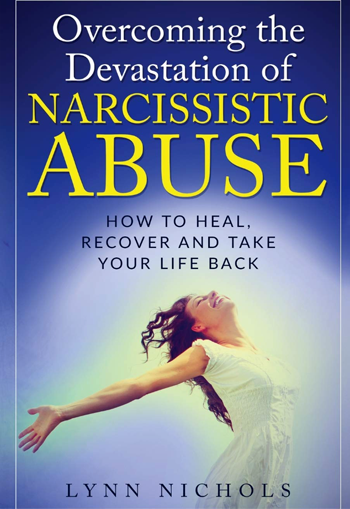
Listen to this review on a podcast

Many of my couples counselling clients arrive in my practice carrying the heavy weight of emotional exhaustion after years in a relationship with someone who seemed to erode their sense of self.
Narcissistic patterns often leave one partner feeling constantly off balance, confused about their own reality, or trapped in cycles of hope and despair. Their common thread is a deep need for validation that what happened was real and that recovery is possible.
This short-form book offers a straightforward, compassionate approach that helps readers name the tactics used against them and then replace self-doubt with steady, practical tools. In my sessions I've drawn on similar frameworks to help clients move from feeling powerless to recognising their own strength.
The insights in the book align closely with the acceptance and boundary work I guide couples through when one partner is healing from such dynamics. The emphasis on understanding manipulation without becoming bitter has proven especially useful for those hoping to rebuild trust in future relationships or even in co-parenting situations.
Affiliate Disclosure: As an Amazon Associate, I earn from qualifying purchases. The links below are affiliate links, meaning if you click and make a purchase, I may receive a small commission at no extra cost to you. This helps keep my counselling session costs affordable for my clients.
Therapist's Quick Verdict: This is an interesting short guide to healing from narcissistic abuse in relationships. It is specifically designed for partners or family members who feel disoriented, anxious, or diminished after prolonged exposure to covert control and emotional manipulation. The book provides a clinical roadmap that addresses the exact pain points I see daily: the loss of self-trust, the grief that follows realisation, and the practical steps needed to rebuild emotional safety without requiring advanced psychological training.
| Author | Lynn Nichols |
| Publication Year | 2018 |
| Key Themes | Narcissistic manipulation tactics, stages of grief in recovery, boundary setting, reclaiming personal power after toxic relationships |
| Who is this book best for | In my clinical experience, this book is best for survivors of narcissistic abuse who feel lost, anxious or self-doubting after leaving a controlling partner or family member. If you are looking for a straightforward, survivor-written guide that explains exactly how covert control works and then gives concrete steps to stop the internal replay of arguments, this is my top recommendation. The book maps directly onto common relationship pain points such as trauma bonding, identity erosion and the fear of never trusting again, making it especially valuable for individuals in the early stages of separation or those still entangled in family dynamics. |
Key Features & Chapter Breakdown
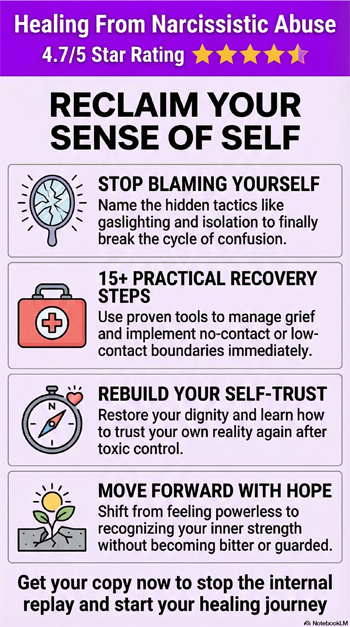
Lynn Nichols structures the book around the real experiences of survivors rather than abstract theory, beginning with a clear-eyed look at the deceptive tactics narcissists employ to gain and maintain control. Readers learn to recognise shifting responsibility, gaslighting phrases and isolation techniques that feel so familiar yet were never named before. This section alone has helped many of my clients finally feel seen and stop blaming themselves for the confusion they lived with daily.
The middle sections move into actionable healing with more than fifteen practical steps that cover everything from implementing no-contact or low-contact boundaries to processing the seven stages of grief that accompany the end of a narcissistic relationship. Nichols includes gentle reminders that healing is not linear and offers tools for managing the waves of anger, sadness and even unexpected longing that surface. In my therapy room I often recommend these pages to clients who need structure between sessions; the suggestions align well with the cognitive reframing and emotional regulation work we do together.
The closing chapters focus on long-term victory, teaching readers how to evaluate future relationships, rebuild self-worth and embrace proper boundaries without becoming guarded or cynical. The emphasis on moving forward with hope rather than bitterness resonates deeply with the conservative, common-sense approach I take in couples work, where the goal is always restored dignity and the possibility of healthier connections ahead.
Review & Analysis
This evidence-based guide stands out for its approachable explanation of personality traits in relationships:
- Strengths: The book's greatest strength is its grounded, survivor-informed presentation that never promises overnight miracles but instead delivers steady, repeatable tools. Nichols shows that every manipulative tactic carries both immediate control for the abuser and long-term damage for the target, yet she balances this honesty with concrete ways to reclaim agency. This mirrors the acceptance-based approach I use in couples therapy where we separate the behaviour from the person and focus on what the survivor can control.
- Weaknesses: Published in 2018, some references to newer research on complex trauma could be expanded, and the concise format means certain topics receive briefer treatment. Readers seeking extensive workbook pages or clinical citations may wish to pair it with additional resources, though the core message remains solid and immediately usable.
- Practical Applications: The tactics and steps translate directly into everyday decisions. A client who once replayed every argument can now pause, name the gaslighting pattern and choose a boundary response instead. Partners who co-parent learn how to limit communication to logistics only, reducing emotional drain and protecting children from conflict. These applications fit the busy lives of the clients I see who need change they can implement this week rather than abstract theory.
- Current Relevance: Relevance to modern relationships remains high in 2026. With growing awareness of emotional abuse and trauma bonding, clients appreciate a book that validates their experience without pathologising them. The framework also complements evidence-based approaches such as Emotionally Focused Therapy by giving language to the biological and relational impact of chronic invalidation.
Pros and Cons
| Pros | Cons |
|---|---|
| Clear, survivor-written explanation of manipulative tactics that clients instantly recognise | Short length (42 pages) may leave some readers wanting more workbook-style exercises |
| Practical steps for grief processing and boundary setting that work in real life | Less emphasis on recent clinical studies compared with academic titles |
| Encourages hope and forward movement without toxic positivity | May benefit from pairing with longer therapy resources for complex trauma |
Comparisons & Alternatives
If your primary need is emotional recovery and rebuilding after narcissistic abuse, Overcoming the Devastation of Narcissistic Abuse by Lynn Nichols is the strongest choice for its direct, compassionate focus on healing steps and grief. For those already navigating separation or court proceedings, How to Divorce a Narcissist and succeed in the family court by Diana Jordan offers targeted legal strategies and co-parenting tactics that complement the emotional work. Readers who want to spot red flags earlier in a relationship will find Stop Manipulating Me!: Identifying Narcissism, Disarming A Narcissist & Overcoming Narcissistic Abuse especially useful for prevention and early boundary setting. Nichols' book sits comfortably in the centre: more immediately practical than purely legal guides yet more focused on long-term recovery than identification-only titles.
| Book | Focus | Best For |
|---|---|---|
| Overcoming the Devastation of Narcissistic Abuse by Lynn Nichols Check price ❯❯ | Emotional healing, grief stages and boundary tools after abuse | Survivors seeking recovery and self-reclamation in relationships |
| How to Divorce a Narcissist: and succeed in the family court by Diana Jordan Check price ❯❯ | Legal strategies and co-parenting with a narcissist | Individuals facing divorce or family court proceedings |
| Stop Manipulating Me!: Identifying Narcissism, Disarming A Narcissist & Overcoming Narcissistic Abuse Check price ❯❯ | Early identification and disarming of manipulative behaviours | Readers wanting to recognise red flags before deep involvement |
Therapist's Buying Guide
When selecting books on narcissistic abuse recovery for relationship work, look first for a strong foundation in real survivor experience combined with clear, repeatable steps rather than vague inspiration. Prioritise titles that address both the tactics used by abusers and the practical tools for healing, including boundary language and grief processing. The most useful resources also acknowledge that recovery happens alongside ongoing life responsibilities such as work or parenting. Readability matters: the best guides use everyday examples without jargon while still respecting the seriousness of the trauma. Finally, choose books that emphasise personal agency and hope rather than endless analysis of the abuser, as this approach best supports the long-term relational health I see clients achieve in therapy.
FAQs
Is this book suitable for family or sibling abuse as well as romantic partners?
Yes. Nichols specifically includes examples from parent, sibling and friend relationships, making the tools relevant for anyone recovering from narcissistic patterns in any close connection.
Does the book replace professional therapy?
It is an excellent complement but not a substitute. Many clients use its steps to prepare for or reinforce the work we do together in sessions.
How long does it take to read and apply the advice?
At around 42 pages of focused content, most readers finish in a weekend and can begin implementing one boundary or grief exercise immediately.
Will it help if I am still in contact with the narcissist?
Yes. The book offers low-contact strategies and internal tools that clients use while deciding on full separation or co-parenting arrangements.
Is the advice suitable for both men and women?
Absolutely. Nichols writes inclusively and my male and female clients alike report the examples feel relevant regardless of gender.
Does the book include exercises or just explanation?
It provides clear, practical steps and reflection prompts that function as built-in exercises without requiring additional workbook pages.
Conclusion
From a therapeutic perspective this book provides a robust clinical roadmap for understanding the emotional and relational impact of narcissistic abuse. Couples or individuals who grasp these patterns often experience rapid movement from self-blame to clarity, creating the emotional safety needed for deeper repair in therapy.
This book is especially well suited for adults who have accumulated years of unspoken assumptions about their own worth after living with covert control. It directly addresses the common issue of feeling perpetually wrong or crazy in a relationship that once promised love. The concise chapters and immediately usable steps fit the lifestyle of busy professionals and parents who need insight they can apply between school runs or work deadlines without wading through dense theory.
The core outcome is greater self-trust and more effective boundaries. If recurring self-doubt or emotional exhaustion have left you questioning your reality after a relationship with narcissistic traits, this book offers a clear, compassionate path toward acceptance and renewed strength. I recommend it to clients as a quick read that will help them with valuable insights into narcissistic relationships.
Affiliate Disclosure: As an Amazon Associate, I earn from qualifying purchases. The links above are affiliate links, meaning if you click and make a purchase, I may receive a small commission at no extra cost to you. This helps keep my counselling session costs affordable for my clients. View the full Amazon Affiliate Disclosure.
About the Book Reviewer
Rhys Lewis MSc PgDip, is the founder of The Relationship Clinic Wales and a professionally qualified couples therapist.
He is the author of 300 Ways To Improve Your Relationship and Infidelity: A Survival Guide.
Rhys provides these reviews to help clients and readers find the most effective, evidence-based tools for relationship health. View his list of best relationship advice books for couples in 2026 here.
Connect with Rhys: