
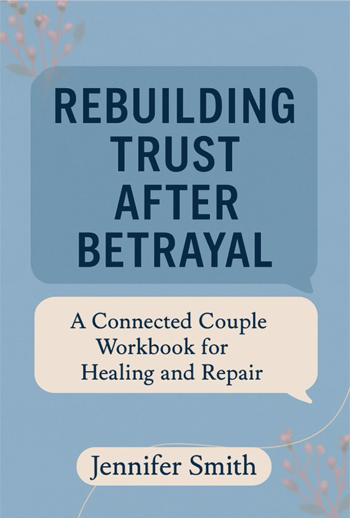
Rebuilding Trust After Betrayal: A Connected Couple Workbook for Healing and Repair by Jennifer Smith: A Therapist's Review and Key Takeaways for Couples in 2026
Listen to this review on a podcast

In my clinical practice as a couples counsellor, I've seen many couples arrive in my practice feeling utterly shattered after a betrayal - whether through infidelity, hidden financial issues or years of emotional withdrawal. The pain runs deep and the path forward often feels impossible without clear guidance. In my experience with clients facing these exact challenges, this workbook stands out as a compassionate, structured companion that meets partners exactly where they are.
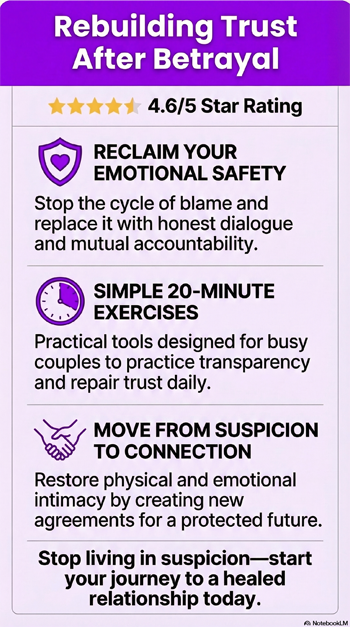
The Connected Couple approach in this book aligns closely with the practical techniques I use in sessions with my clients. It offers a clear roadmap that helps couples move from raw hurt toward genuine repair by focusing on small, consistent actions that rebuild safety and intimacy. In my sessions I've drawn directly from these insights to help clients replace cycles of blame and suspicion with honest dialogue and shared accountability, leading to stronger, more resilient relationships over time.
Affiliate Disclosure: As an Amazon Associate, I earn from qualifying purchases. The links below are affiliate links, meaning if you click and make a purchase, I may receive a small commission at no extra cost to you. This helps keep my counselling session costs affordable for my clients.
Therapist's Quick Verdict: This is a good practical workbook for couples rebuilding trust after betrayal. It is specifically designed for partners who want to move beyond surface-level apologies. It provides structured exercises and reflections that address the emotional impact of betrayal - helping couples rebuild safety, honesty and connection in a way that feels achievable even when emotions are raw.
| Author | Jennifer Smith |
| Publication Year | 2025 |
| Key Themes | Betrayal recovery, connected healing exercises, rebuilding safety and intimacy, accountability and communication |
| Who is this book best for | In my clinical experience, this book is good for couples navigating the aftermath of infidelity or emotional betrayal who would like to rebuild together. If you are looking for a structured workbook with guided reflections and practical activities that both partners can complete together, this is my top recommendation. The book maps directly onto common relationship pain points such as rebuilding emotional safety, learning honest dialogue after secrecy, and restoring physical and emotional intimacy. It is particularly helpful for couples who want tools they can use between therapy sessions or as a starting point when professional support feels out of reach right now. I rate this book highly because it respects the slow, deliberate nature of trust repair while giving couples tangible next steps. |
Key Features & Chapter Breakdown
Jennifer Smith has created a genuinely useful workbook that combines thoughtful prompts with space for both partners to write and reflect. The connected approach emphasises joint work rather than individual blame, which matches the way I encourage couples to approach healing in my practice. The layout is clean and inviting, making it easy for busy partners to pick up and use regularly without feeling overwhelmed.
Early sections focus on understanding the impact of betrayal and creating a safe space for honest conversation. Readers learn to name their feelings without accusation and to listen in a way that rebuilds emotional security. These opening chapters are particularly valuable for couples who feel stuck in cycles of anger or withdrawal, offering gentle guidance that helps them move forward together.
The middle chapters introduce practical exercises for accountability, forgiveness work and rebuilding daily connection. There are guided reflections on transparency, boundary setting and small acts of repair that accumulate into lasting change. In my sessions I have seen these activities help couples replace suspicion with teamwork, and the workbook format makes it simple to track progress over weeks and months.
Later sections turn toward the future, helping couples create new agreements, restore intimacy and develop strategies to protect their relationship going forward. The concluding material feels hopeful and realistic, reminding readers that trust is rebuilt through consistent choice rather than a single grand gesture. This forward-looking perspective gives couples a clear sense of what a repaired relationship can look like.
Review & Analysis
This evidence-based guide stands out for its approachable explanation of rebuilding trust in relationships:
- Strengths: The book's greatest strength is its practical, workbook format that both partners can use together. Smith never suggests quick fixes; instead she shows that every stage of healing carries both challenges and opportunities. This aligns closely with the acceptance-based approach I use in couples therapy. The integration of reflection prompts, communication scripts and accountability exercises is rigorous yet explained in clear, supportive language supported by real-world examples that feel relatable rather than clinical.
- Weaknesses: Published recently, the workbook is still building its long-term evidence base, but early feedback from readers is consistently positive. It is focused on couple work rather than individual therapy, so readers in high-conflict situations may benefit from professional support alongside the exercises. A small number of prompts assume a willingness to engage that not every couple will have at the start, though the gradual structure helps most partners ease in.
- Practical Applications: The exercises translate directly into everyday life. A couple can sit down for twenty minutes with the check-in questions and immediately begin practising the kind of honest conversation that rebuilds safety. Partners learn to notice small acts of repair and to celebrate them together, turning ordinary moments into opportunities for connection rather than suspicion.
- Current Relevance: Relevance to modern relationships remains high in 2026. With increased awareness of emotional betrayal alongside physical infidelity, clients appreciate a book that addresses secrecy and disconnection without judgment. The framework complements evidence-based approaches such as Emotionally Focused Therapy by providing concrete activities couples can use at home between sessions.
Pros and Cons
| Pros | Cons |
|---|---|
| Clear workbook format with space for both partners to write | Best used alongside professional therapy for complex cases |
| Practical exercises focused on daily connection and accountability | Requires commitment from both partners to complete together |
| Hopeful tone that emphasises repair without minimising pain | Newer title with limited long-term research data |
Comparisons & Alternatives
If you are looking for conversation starters without structured healing work, the Questions for Couples book by Marcus and Ashley Kusi offers hundreds of prompts that can spark discussion. For a more narrative guide from a couple who have walked this path themselves, Rebuilding Trust: A Couple's Guide to Healing After Betrayal by Matt and Laura Burton provides personal stories alongside advice. Jennifer Smith's workbook sits comfortably between the two: more action-oriented than pure conversation starters yet more exercise-focused than general guides, making it the strongest choice for couples who want practical tools they can use right away.
| Book | Focus | Best For |
|---|---|---|
| Rebuilding Trust After Betrayal: A Connected Couple Workbook for Healing and Repair by Jennifer Smith Check price ❯❯ | Workbook exercises for connected healing after betrayal | Couples seeking structured daily tools to rebuild trust |
| Questions for Couples: 469 Thought-Provoking Conversation Starters for Connecting, Building Trust, and Rekindling Intimacy by Marcus Kusi and Ashley Kusi Check price ❯❯ | Conversation prompts for building intimacy | Couples wanting light, ongoing dialogue starters |
| Rebuilding Trust: A Couple's Guide to Healing After Betrayal by Matt and Laura Burton Check price ❯❯ | Personal stories and healing advice from experienced couple | Partners who benefit from relatable narratives and guidance |
Therapist's Buying Guide
When selecting trust rebuilding books to support relationship recovery, look first for a strong focus on joint exercises rather than individual advice. The most useful titles include structured prompts that both partners can complete together and clear steps for creating new patterns of honesty and safety. Prioritise workbooks that address both the emotional pain of betrayal and the practical skills needed for repair. Readability matters: the best resources use everyday language while still offering depth. Finally, choose books that emphasise gradual progress and celebrate small wins, as this approach aligns with the realistic, long-term view of couples therapy that actually works.
FAQs
Is this workbook suitable after infidelity?
Yes. The exercises are specifically designed to help couples process the pain of infidelity and rebuild safety step by step.
Do both partners need to participate?
The connected approach works best when both partners engage, though one partner can start and invite the other as trust grows.
How long does it take to work through the book?
Most couples complete the main exercises in four to eight weeks when using it for twenty minutes several times a week.
Can it replace couples therapy?
It is an excellent complement to therapy but not a full replacement. Many clients use the workbook to accelerate progress between sessions.
Is it suitable for emotional betrayal without physical cheating?
Absolutely. The book addresses secrecy and emotional distance as forms of betrayal and provides tools for healing those wounds too.
What if one partner is not ready to forgive yet?
The early chapters validate those feelings and offer gentle steps that do not require immediate forgiveness, allowing natural progress at each partner's pace.
Will it help with preventing future betrayal?
Yes. The later sections help couples create new agreements and habits that protect their relationship moving forward.
Conclusion
From a therapeutic perspective this workbook provides a robust clinical roadmap for understanding the slow process of trust repair. The connected exercises align closely with cognitive-behavioural and attachment-informed work. Couples who use these activities often experience rapid shifts from blame to curiosity, creating the safety needed for deeper emotional work in therapy or on their own.
This book is especially well suited for couples who have accumulated years of hurt after betrayal. It directly addresses the pain point of feeling disconnected and unsure whether the relationship can recover. The short, focused exercises fit the lifestyle of busy partners and parents who need insight without lengthy theory or abstract reading.
The core outcome is greater compassion and more effective communication. If recurring mistrust or emotional distance have left you feeling disconnected from your partner, this workbook offers a practical path toward acceptance and collaboration. I recommend it to clients as a practial resource that will continue to help and inform their progress long after the final page.
Affiliate Disclosure: As an Amazon Associate, I earn from qualifying purchases. The links above are affiliate links, meaning if you click and make a purchase, I may receive a small commission at no extra cost to you. This helps keep my counselling session costs affordable for my clients. View the full Amazon Affiliate Disclosure.
About the Book Reviewer
Rhys Lewis MSc PgDip, is the founder of The Relationship Clinic Wales and a professionally qualified couples therapist.
He is the author of 300 Ways To Improve Your Relationship and Infidelity: A Survival Guide.
Rhys provides these reviews to help clients and readers find the most effective, evidence-based tools for relationship health. View his list of best relationship advice books for couples in 2026 here.
Connect with Rhys: