
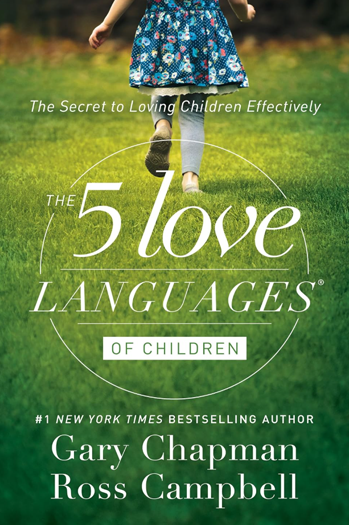
The 5 Love Languages of Children by Gary Chapman and Ross Campbell: A Therapist's Review and Key Takeaways for Couples in 2026
Listen to this review on a podcast

As a relationship therapist, I've seen many parents and couples struggle to parent children who appear distant, defiant or emotionally withdrawn despite daily expressions of care. The struggle is rarely a lack of love itself but a mismatch in how that love is received. Strong families rest on clear, consistent affection that each child understands in their own way. This book offers a straightforward, time-tested framework that aligns perfectly with the common-sense approaches I use every day in my counselling room.
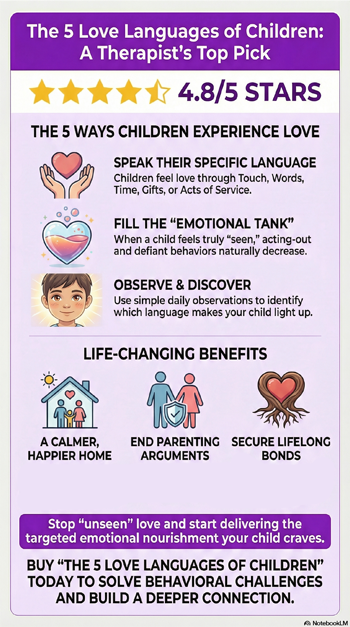
The main benefit lies in teaching parents the five universal ways children experience love: physical touch, words of affirmation, quality time, receiving gifts and acts of service. Using the insights from this book, I guide husbands and wives to coordinate their efforts, turning potential arguments over discipline or bedtime routines into collaborative successes that strengthen the entire family unit. The result is fewer tantrums, deeper trust and the kind of emotional security that supports long-term relational health for everyone involved.
Affiliate Disclosure: As an Amazon Associate, I earn from qualifying purchases. The links below are affiliate links, meaning if you click and make a purchase, I may receive a small commission at no extra cost to you. This helps keep my counselling session costs affordable for my clients.
Therapist's Quick Verdict: This is the best practical guide for parents to express love in ways their children actually receive it. It is specifically designed for busy mothers and fathers who want to move beyond generic affection and instead deliver targeted emotional nourishment that meets their childrens' needs. The approach solves the common clinical problem of 'unseen' love that leads to acting-out behaviour, sibling rivalry or withdrawal. By framing affection through five simple, observable channels it gives couples a shared language that reduces parenting disagreements and builds the secure attachment every child needs for healthy development.
| Author | Gary Chapman and Ross Campbell |
| Publication Year | 2016 |
| Key Themes | children's love languages, unconditional love, emotional tank, parenting discipline, family bonding |
| Who is this book best for | In my clinical experience, this book is best for parents and couples who want to strengthen daily emotional connection with their children and reduce common behavioural challenges. If you are looking for a straightforward, non-technical resource with real-life stories and simple discovery tools that explains why one child lights up from extra cuddles while another thrives on undivided attention, this is my top recommendation. The book maps directly onto common relationship pain points such as inconsistent parenting styles between partners, feelings of rejection from a child, or the exhaustion that comes when love feels unreciprocated. It is especially valuable for couples in the busy child-rearing years who need quick, actionable insights rather than lengthy theory. |
Key Features & Chapter Breakdown
Gary Chapman and Ross Campbell have created an accessible, family-focused resource built around the proven five love languages first introduced for couples. The book emphasises that every child has a primary way of feeling loved and that filling this 'emotional tank' consistently is the foundation for good behaviour, self-esteem and secure attachment. What makes the guide stand out is its blend of straightforward observation exercises, real-parent stories and gentle reminders that love must be unconditional before any discipline is applied.
The opening chapters lay a solid foundation by explaining the concept of the emotional tank and why children who feel unloved will often act out even when material needs are fully met. Chapman and Campbell stress that love is the primary need and that parents must first learn to speak the child's language before expecting cooperation. In my practice I frequently see couples who describe the same child in completely different ways; one parent thinks the child is 'needy' while the other sees 'distance'. Once both partners read these early sections together they quickly recognise the mismatch in their own expressions of affection and begin to align their efforts, which immediately reduces household tension.
Dedicated chapters then explore each love language with practical examples tailored to children of different ages. Physical Touch covers hugs and playful wrestling that some children crave daily. Words of Affirmation shows how specific praise and encouragement build confidence far more effectively than general statements. Quality Time highlights the power of undivided attention during walks, board games or bedtime stories. Receiving Gifts explains that the thought behind a small present matters more than its cost. Acts of Service demonstrates how helping with homework or chores can speak volumes to a service-oriented child. Each chapter ends with age-appropriate ideas and warnings about over-using one language at the expense of the others.
Later sections teach parents how to discover their child's primary language through careful observation and a simple questionnaire. The authors also address discipline, explaining that correction is far more effective once the emotional tank is full. In therapy sessions I often assign the discipline chapter as homework for couples who argue about consequences; the shared framework helps them present a united front that feels fair and loving rather than punitive. The book closes with encouragement to keep the tank full even during the teenage years, when love languages may shift but the underlying need remains constant.
Throughout, the tone remains warm, practical and rooted in common-sense values that many of my clients find reassuring. There are no complex psychological terms, just clear stories and checklists that busy parents can implement the same evening. I have watched numerous couples report that after only a week of deliberately speaking their child's language the atmosphere at home becomes noticeably calmer and more affectionate.
Review & Analysis
This evidence-based guide stands out for its approachable explanation of personality traits in relationships:
- Strengths: The book's greatest strength is its balanced, evidence-based presentation drawn from decades of counselling experience. Chapman and Campbell never suggest there is one perfect way to parent; instead they show that every child has a unique combination of love languages that carry both strengths and sensitivities. This aligns closely with the acceptance-based approach I use in family work. The integration of real-life anecdotes, simple discovery tools and practical discipline strategies is rigorous yet explained in clear, engaging prose that respects the intelligence of ordinary parents.
- Weaknesses: Published originally in the late 1990s and updated in 2016, some cultural references feel slightly dated and the examples lean toward traditional two-parent households. Readers in blended or single-parent situations may need to adapt a few illustrations. The book is also more focused on younger children than teenagers, so families with older adolescents may wish to supplement with the companion volume on teens. These are minor limitations that do not detract from the core message.
- Practical Applications: The love-language descriptions translate directly into everyday family life. A child whose primary language is Quality Time stops interrupting when parents schedule fifteen uninterrupted minutes each evening. A Physical Touch child who previously pushed siblings now initiates affectionate contact once parents add extra hugs at key moments. Couples I see in therapy often create a shared 'love language chart' for each child and rotate responsibility for meeting each child's needs, which prevents resentment and builds teamwork.
- Current Relevance: Relevance to modern families remains exceptionally high in 2026. With increased awareness of emotional intelligence and mental health, parents appreciate a book that normalises individual differences without pathologising them. The framework complements evidence-based approaches such as attachment parenting and positive discipline by providing a concrete biological and emotional lens on why children behave the way they do. In an age of screens and busy schedules the reminder to give undivided attention or a thoughtful note feels more necessary than ever.
Pros and Cons
| Pros | Cons |
|---|---|
| Simple, memorable framework that parents remember and apply immediately | A few cultural examples feel dated for contemporary blended families |
| Strong emphasis on unconditional love before discipline, reducing power struggles | Primarily focused on younger children; teens may need additional resources |
| Helps couples align their parenting styles and reduce household arguments | Requires consistent observation and effort to identify the correct language |
Comparisons & Alternatives
If your main challenge is managing your own emotional reactions during difficult parenting moments, Emotional Regulation for Parents by T.R. Fosters offers targeted mindfulness and CBT techniques that help adults stay calm and model healthy responses. For families navigating separation or divorce, The Co-Parenting Handbook by Karen Bonnell provides a comprehensive roadmap for creating stable two-home arrangements that prioritise the children's well-being. The 5 Love Languages of Children sits comfortably between these two: it gives every parent, regardless of family structure, the daily tools to make children feel profoundly loved, while the other titles address specific situational stressors. Many of my clients read all three and report that the love-languages book provides the emotional foundation that makes the other strategies far more effective.
| Book | Focus | Best For |
|---|---|---|
| The 5 Love Languages of Children by Gary Chapman and Ross Campbell Check price ❯❯ | Expressing love to children through five universal languages | Parents and couples wanting stronger daily emotional bonds with children |
| Emotional Regulation for Parents by T.R. Fosters Check price ❯❯ | Mindfulness and CBT techniques for parent self-control | Parents struggling with anger, overwhelm or reactive parenting |
| The Co-Parenting Handbook by Karen Bonnell Check price ❯❯ | Navigating divorce and creating stable two-home families | Separated or divorced parents focused on children's resilience |
Therapist's Buying Guide
When selecting books about expressing love and building emotional connection with children, look first for a strong, replicable framework grounded in real family experience rather than abstract theory. Prioritise titles that include simple discovery tools such as observation checklists or short quizzes that couples can complete together in one evening. The most useful resources also discuss how love languages interact with discipline and daily routines rather than focusing solely on warm feelings. Readability matters: the best books explain concepts without jargon while still respecting the seriousness of a child's emotional needs. Finally, choose guides that emphasise acceptance of natural variation between siblings and the importance of unconditional love, as this approach aligns with effective long-term family therapy and prevents the resentment that arises when parents expect every child to respond identically.
FAQs
How do I discover my child's primary love language?
Watch what your child requests most often, how they express affection to others, and which behaviours they complain about when missing. The book provides a short questionnaire and observation guidelines that most parents complete accurately within a week.
Is this book suitable for teenagers as well as younger children?
Yes, the core principles apply across all ages although the expression changes. Teenagers still need full love tanks; the book offers specific adaptations and recommends the companion volume for more detailed teen guidance.
Can both parents use different love languages and still be effective?
Absolutely. The beauty of the system is that each parent can speak the language the child needs most while still using their own natural style with the other children. Couples who coordinate often report the strongest results.
Does the book work for children with special needs or neurodiversity?
The framework is flexible and many parents of neurodiverse children find it helpful when combined with professional advice. The emphasis on individual observation makes it adaptable rather than prescriptive.
Will reading this book reduce arguments between me and my partner about parenting?
In my experience yes. Once both partners understand the love-language concept they stop judging each other's methods as 'wrong' and instead focus on ensuring every child receives what they need from both parents.
How long does it take to see results after applying the ideas?
Many parents notice positive changes within days once they begin deliberately filling the primary emotional tank. Sustained improvement over weeks and months comes from consistent daily practice and occasional re-assessment as children grow.
Conclusion
From a therapeutic perspective this book provides a robust clinical roadmap for understanding the emotional underpinnings of parent-child patterns. The five love languages align closely with attachment theory and cognitive-behavioural techniques by offering a non-pathologising language for differences in how children regulate emotion and seek connection. Couples who grasp these dimensions often experience rapid shifts from blame and frustration to curiosity and teamwork, creating the safety needed for deeper relational repair both between parents and with their children.
This book is especially well suited for couples who have accumulated years of unspoken assumptions about why their child behaves a certain way. It directly addresses the pain point of feeling like a 'bad parent' or watching siblings receive love differently. The concise chapters and practical checklists fit the lifestyle of busy professionals and parents who need insight without lengthy workbooks or abstract theory.
The core outcome is greater compassion and more effective daily communication. If recurring misunderstandings or emotional distance have left you feeling disconnected from your child or at odds with your partner about parenting, this book offers a scientifically grounded and clinically proven path toward acceptance, cooperation and lasting family closeness. I recommend it to clients as a foundational resource that continues to inform their progress long after the final page.
Affiliate Disclosure: As an Amazon Associate, I earn from qualifying purchases. The links above are affiliate links, meaning if you click and make a purchase, I may receive a small commission at no extra cost to you. This helps keep my counselling session costs affordable for my clients. View the full Amazon Affiliate Disclosure.
About the Book Reviewer
Rhys Lewis MSc PgDip, is the founder of The Relationship Clinic Wales and a professionally qualified couples therapist.
He is the author of 300 Ways To Improve Your Relationship and Infidelity: A Survival Guide.
Rhys provides these reviews to help clients and readers find the most effective, evidence-based tools for relationship health. View his list of best relationship advice books for couples in 2026 here.
Connect with Rhys: