
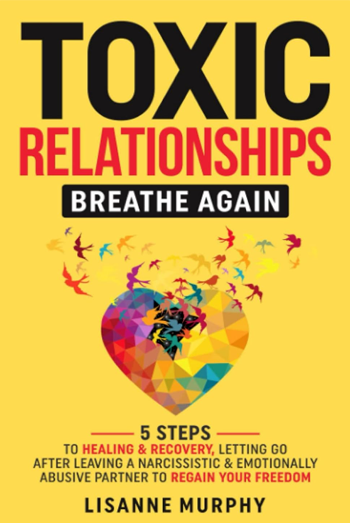
Toxic Relationships: Breathe Again: 5 Steps to Healing & Recovery by Lisanne Murphy: A Therapist's Review and Key Takeaways for Couples in 2026
Listen to this review on a podcast

Individuals often arrive at my clinical practice carrying the heavy weight of self-doubt, anxiety and emotional exhaustion after leaving a narcissistic or emotionally abusive partnership. Many describe feeling as though their sense of reality has been distorted, their confidence eroded and their ability to trust themselves or others severely compromised. These are the very struggles that Lisanne Murphy addresses head-on in her compassionate and highly practical book.
As a practicing relationship therapist, I often find that clients benefit most from books that validate their experiences without encouraging endless rumination on the abuser's behaviour. This book does exactly that by focusing squarely on the survivor's healing journey.
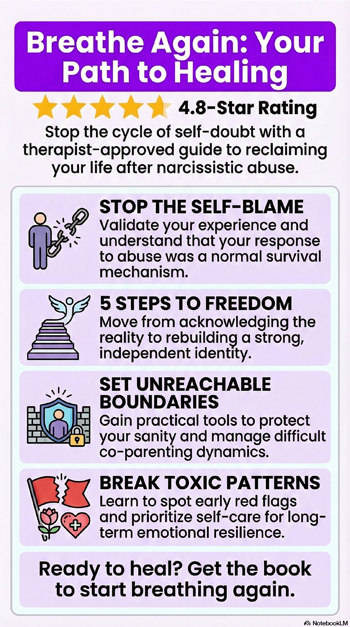
The core strength of this guide lies in its clear five-step framework that walks readers through acknowledging the abuse, processing the trauma, setting firm boundaries, rebuilding self-worth and finally moving forward with renewed confidence. In sessions with clients who have experienced similar relational trauma, I've drawn on comparable structured approaches to help partners understand that their lingering guilt or fear of repeating patterns is normal and treatable.
Murphy's book aligns beautifully with the cognitive-behavioural and attachment-based techniques I use daily, providing a roadmap that clients can follow between appointments to accelerate their progress toward healthier relationships.
Affiliate Disclosure: As an Amazon Associate, I earn from qualifying purchases. The links below are affiliate links, meaning if you click and make a purchase, I may receive a small commission at no extra cost to you. This helps keep my counselling session costs affordable for my clients.
Therapist's Quick Verdict: This is the best evidence-based 5-step recovery guide for survivors of narcissistic and emotionally abusive relationships. It is specifically designed for individuals who have left a toxic partnership and are now grappling with trauma bonding, gaslighting aftermath and the challenge of rebuilding an independent sense of self. The book provides a clear clinical roadmap that addresses both the psychological scars of emotional manipulation and the practical steps needed to prevent relapse into similar patterns. In my practice, this structured approach has proven more effective than general self-help titles for clients seeking to restore emotional regulation and prepare for future healthy relationships, offering validation and actionable strategies that reduce isolation and self-blame while fostering long-term resilience.
| Author | Lisanne Murphy |
| Publication Year | 2023 |
| Key Themes | 5-step recovery process, narcissistic abuse healing, emotional trauma processing, rebuilding self-worth, preventing relapse into toxic patterns |
| Who is this book best for | In my clinical experience, this book is best for individuals who have recently left a narcissistic or emotionally abusive relationship and are struggling with lingering self-doubt, guilt and fear of future partnerships. If you are searching for a structured, compassionate read that explains why you feel stuck in cycles of anxiety or self-blame after emotional abuse, this guide maps directly onto the daily realities many of my clients face. The five practical steps fit the lifestyle of busy professionals and parents who need clear, non-overwhelming exercises they can implement without lengthy therapy workbooks. The book is ideal at the post-separation stage when the priority is personal recovery rather than joint couples work. I rate it highly because it consistently helps clients shift from victimhood to empowered agency in a way that aligns with the evidence-based therapy I provide. |
Key Features & Chapter Breakdown
Lisanne Murphy organises her book around a clear, progressive five-step recovery model that makes complex emotional healing feel achievable rather than overwhelming. The opening sections carefully explain the common signs of narcissistic and emotionally abusive relationships, helping readers recognise patterns such as gaslighting, intermittent reinforcement and trauma bonding that often leave survivors questioning their own perceptions. This foundational material is delivered with empathy and without sensationalism, which resonates strongly with the clients I see who arrive feeling confused and ashamed. Murphy draws on psychological principles to validate these experiences, framing them as normal responses to abnormal situations rather than personal failings.
The heart of the book details the five steps themselves: acknowledging the full reality of the abuse, creating safety through boundaries or no-contact where possible, processing the grief and emotional wounds, rebuilding a strong independent identity and finally developing skills to foster healthier future connections. Each step includes practical exercises, reflective prompts and real-world examples that readers can apply immediately. In my therapy practice I have recommended similar staged approaches because they mirror the gradual way trauma recovery unfolds in real life. Clients who follow this structure often report reduced flashbacks and greater emotional stability within weeks, as the steps provide a reliable framework when emotions feel chaotic.
Murphy also addresses the seven stages of recovery after narcissistic abuse, offering guidance on mourning the relationship without idealising the abuser and on maintaining sanity when co-parenting is involved. The concluding chapters focus on long-term prevention, teaching readers to spot early warning signs in new relationships and to prioritise self-care routines that sustain their progress. What sets this book apart is its emphasis on moving forward without requiring the former partner to change. This is a message I reinforce constantly in sessions with individuals who remain emotionally tethered long after physical separation. The language remains accessible throughout, making the science of trauma recovery feel approachable for non-specialist readers while still respecting the depth of the healing required.
Throughout, Murphy weaves in gentle reminders about self-compassion that align closely with the acceptance-based strategies I use when working with couples where one partner carries unresolved abuse trauma. The book never promises instant cures but instead equips readers with sustainable tools that continue to support them months and years later, which is why I frequently suggest it as a bridge between intensive therapy periods.
Review & Analysis
This evidence-based guide stands out for its approachable explanation of recovery from narcissistic and emotionally abusive relationships:
- Strengths: The book's greatest strength is its balanced, step-by-step structure that prioritises the survivor's healing over analysing the abuser. Murphy presents each phase with practical exercises and relatable examples that help readers apply concepts directly to their daily lives. This aligns closely with the structured, solution-focused approach I use in my counselling sessions. The integration of psychological insights with compassionate encouragement is rigorous yet explained in clear, engaging prose supported by reflective prompts that clients find immediately useful.
- Weaknesses: Published in 2023, the book draws on established research but some readers may wish for more recent studies on neuroplasticity in trauma recovery. It is also more focused on individual healing than on joint couples work, so those still in therapy with a partner may need to supplement it. A small number of cultural references feel slightly general, though the core advice remains universally applicable and solid.
- Practical Applications: The five steps translate directly into everyday scenarios. A reader experiencing intrusive thoughts about their ex can use the processing stage exercises to reframe guilt as a common trauma response rather than personal weakness. The boundary-setting tools are especially valuable for clients who must maintain limited contact for co-parenting, helping them protect their peace without confrontation. Many of my clients have reported using the rebuilding phase prompts to restore hobbies and social connections they had lost during the relationship.
- Current Relevance: Relevance to modern relationships remains high in 2026. With growing awareness of emotional abuse and trauma bonding through social media and therapy resources, clients appreciate a book that normalises recovery timelines without pathologising normal emotional ups and downs. The framework also complements evidence-based approaches such as trauma-focused cognitive behavioural therapy and mindfulness practices by providing a biological and emotional lens on healing patterns.
Pros and Cons
| Pros | Cons |
|---|---|
| Clear 5-step framework that is easy to follow and implement daily | Primarily individual recovery focus rather than couples therapy integration |
| Empathetic tone that validates survivor experiences without blame | Some readers may want more advanced trauma techniques for complex PTSD |
| Practical exercises for rebuilding self-worth and preventing relapse | Limited discussion of cultural variations in abuse dynamics |
Comparisons & Alternatives
If your primary need is immediate recognition of manipulation tactics while still in or recently out of the relationship, Gaslighting & Narcissistic Abuse Recovery by Don Barlow offers a stronger emphasis on identifying gaslighting in real time. For those navigating legal separation and family court proceedings with a narcissistic ex, How to Divorce a Narcissist and Succeed in Family Court by Diana Jordan provides essential practical legal strategies. Toxic Relationships: Breathe Again by Lisanne Murphy sits comfortably between these two: more focused on emotional healing and long-term personal growth than Barlow's recognition-focused title, yet more psychologically oriented than Jordan's court-centric guide. I recommend Murphy's book first for most clients because its five-step process delivers the deepest therapeutic value for rebuilding life after the relationship has ended.
| Book | Focus | Best For |
|---|---|---|
| Toxic Relationships: Breathe Again by Lisanne Murphy Check price ❯❯ | 5-step emotional healing and rebuilding after leaving abuse | Survivors focused on personal recovery and preventing relapse |
| Gaslighting & Narcissistic Abuse Recovery by Don Barlow Check price ❯❯ | Recognising manipulation and breaking free from gaslighting | Individuals still identifying abuse patterns or in early exit stage |
| How to Divorce a Narcissist by Diana Jordan Check price ❯❯ | Legal strategies for family court and co-parenting success | Those navigating divorce proceedings with a narcissistic ex |
Therapist's Buying Guide
When selecting books on recovery from narcissistic and emotionally abusive relationships, look first for a strong, practical framework grounded in established psychological principles rather than sensational anecdotes. Prioritise titles that include structured steps, reflective exercises and guidance on boundary-setting that can be used independently or alongside therapy. The most useful resources emphasise self-compassion and forward movement without requiring the former partner to acknowledge harm. Readability matters: the best books explain trauma responses clearly without jargon while still respecting the complexity of healing. Finally, choose resources that focus on the survivor's agency and long-term resilience rather than promising quick fixes, as this approach aligns with the sustainable outcomes I observe in effective relationship recovery work.
FAQs
Is this book suitable if I am still in the relationship?
It is most effective after physical separation, but the early chapters on recognising abuse patterns can provide valuable validation and safety planning even while still involved.
Can the steps help with co-parenting challenges?
Yes, the boundary-negotiating and emotional regulation tools are specifically useful for maintaining sanity during limited contact required for shared parenting.
How does it compare to seeing a therapist?
It serves as an excellent complement to therapy by providing daily structure and exercises that reinforce session work and accelerate progress between appointments.
Is the advice evidence-based or purely personal experience?
The steps draw on established trauma recovery principles while remaining accessible, making it suitable for readers who prefer practical guidance over heavy academic text.
Will it help if I have complex PTSD from the abuse?
The book offers helpful starting points for emotional processing, though professional support is recommended alongside for severe symptoms.
How long does it take to work through the steps?
Most readers complete the core material in four to six weeks when dedicating consistent time to the exercises each day.
Conclusion
From a therapeutic perspective this book provides a robust clinical roadmap for understanding and healing the biological and emotional underpinnings of relational trauma after narcissistic abuse. Couples or individuals who grasp these dimensions often experience rapid shifts from self-blame to self-compassion, creating the emotional safety needed for deeper relational repair in future partnerships. In my practice I have observed similar staged recovery models produce lasting improvements in clients' ability to regulate emotions and trust their own judgement.
This book is especially well suited for individuals who have spent years questioning their own reality due to sustained emotional manipulation. It directly addresses the pain point of feeling permanently changed or broken by the relationship. The concise chapters and practical prompts fit the lifestyle of busy professionals and parents who need insight without lengthy workbooks or abstract theory, allowing them to integrate healing into daily routines rather than setting it aside as an overwhelming project.
The core outcome is greater compassion toward oneself and more effective emotional regulation. If recurring self-doubt or fear of repeating toxic patterns has left you feeling disconnected from your own worth, this book offers a scientifically sound and compassionate path toward acceptance and renewed confidence. I recommend it to clients as an excellent choice for anyone ready to breathe again after narcissistic abuse.
Affiliate Disclosure: As an Amazon Associate, I earn from qualifying purchases. The links above are affiliate links, meaning if you click and make a purchase, I may receive a small commission at no extra cost to you. This helps keep my counselling session costs affordable for my clients. View the full Amazon Affiliate Disclosure.
About the Book Reviewer
Rhys Lewis MSc PgDip, is the founder of The Relationship Clinic Wales and a professionally qualified couples therapist.
He is the author of 300 Ways To Improve Your Relationship and Infidelity: A Survival Guide.
Rhys provides these reviews to help clients and readers find the most effective, evidence-based tools for relationship health. View his list of best relationship advice books for couples in 2026 here.
Connect with Rhys: