
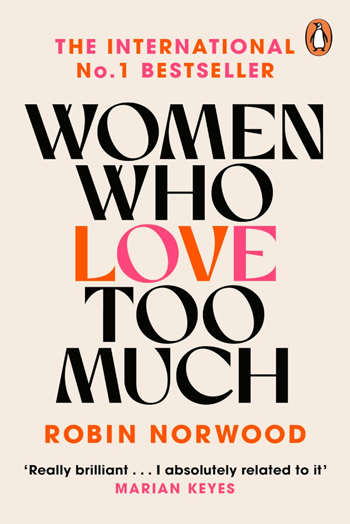
Women Who Love Too Much by Robin Norwood: A Therapist's Review and Key Takeaways for Couples in 2026
Listen to this review on a podcast

As a relationship therapist, I've seen so many women enter my consulting room feeling exhausted and confused after years of pouring everything into relationships that never seem to give back. They describe partners who are emotionally distant, unreliable, or struggling with their own issues, yet these women keep hoping and trying harder, believing that if they just love enough, things will change.
This pattern, often rooted in early family experiences of inconsistency or neglect, creates a cycle of pain that feels impossible to break. Norwood's book offers a straightforward, no-nonsense approach for recognising when love has tipped into obsession and beginning the journey toward genuine self-respect and healthier connections.
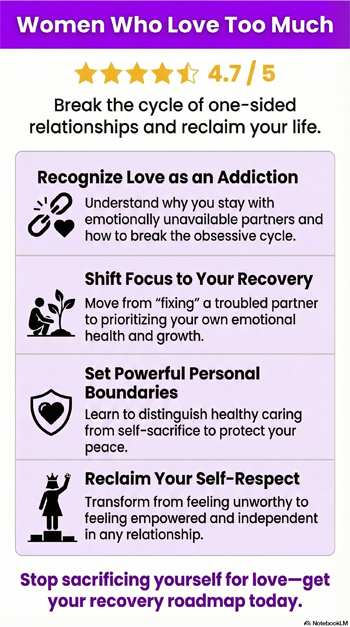
The book's main benefit lies in its clear explanation of how loving too much functions like an addiction, complete with a structured recovery approach that mirrors the proven steps used in addiction treatment but applied directly to relationships.
In my sessions, I've drawn on these ideas to help clients see that their efforts to fix or rescue a partner are not signs of devotion but learned behaviours that keep them stuck. The insights promote acceptance of personal responsibility without blame, encouraging women to focus on their own healing first, which in turn improves every relationship in their lives.
Affiliate Disclosure: As an Amazon Associate, I earn from qualifying purchases. The links below are affiliate links, meaning if you click and make a purchase, I may receive a small commission at no extra cost to you. This helps keep my counselling session costs affordable for my clients.
Therapist's Quick Verdict: This is the best evidence-based book for understanding and healing from codependent love addiction in relationships. It is specifically designed for women who repeatedly find themselves in painful partnerships with emotionally unavailable or troubled men, providing a clinical roadmap that distinguishes healthy caring from obsessive self-sacrifice. The framework helps couples or individuals move beyond surface-level conflict by addressing the deeper roots of attachment and emotional regulation, offering tools that complement professional therapy by fostering self-awareness and boundary-setting skills far more effectively than generic advice alone.
| Author | Robin Norwood |
| Publication Year | 1985 |
| Key Themes | codependency, love addiction, childhood roots of relationship patterns, 10-step recovery programme |
| Who is this book best for | In my clinical experience, this book is best for women trapped in cycles of one-sided relationships with unreliable, uncommitted or troubled partners. If you constantly find yourself making excuses for a partner's behaviour, prioritising his needs over your own, or feeling anxious when he pulls away, this book directly addresses that pain point. Its story-driven format and step-by-step recovery plan fit the lifestyle of busy women who need insight without overwhelming homework. The book targets any stage of relationship difficulty but shines for those in long-term patterns or recovering from repeated break-ups. I rate it highly because its framework has helped dozens of my clients achieve lasting change by shifting focus from changing him to healing themselves. |
Key Features & Chapter Breakdown
Robin Norwood organises the material around clear identification of the problem followed by a structured path to freedom. The book opens with vivid real-life examples that immediately resonate, helping readers recognise themselves without feeling judged. Key features include a list of ten characteristics of women who love too much, self-reflection questions throughout, and a complete recovery programme drawn from addiction treatment principles adapted for relationships. This structure makes the content both diagnostic and practical, giving women concrete tools rather than vague encouragement. In therapy I often recommend pairing the reading with professional support because the book normalises the struggle while providing hope through proven steps.
The opening chapters explore why women choose and stay with difficult partners, tracing patterns back to childhood experiences of emotional deprivation or chaos. Readers learn how loving too much becomes a familiar yet painful way of seeking the validation that was missing early on. Norwood uses straightforward language to explain the addictive nature of these relationships, comparing the highs of intermittent affection to the cycle of substance dependency. This section is particularly valuable in sessions as it helps clients reframe their efforts not as weakness but as learned survival strategies. By understanding the biological and emotional pull, women gain permission to stop blaming themselves and start making different choices.
The middle and concluding sections detail the ten-step recovery process, from admitting the problem and seeking help to developing self-esteem and learning to love without losing oneself. Each step includes practical guidance, examples from group work, and gentle encouragement for spiritual growth if that fits the reader's life. The final chapters emphasise building a life of serenity and healthy connections, showing how recovery ripples outward to improve family and friendships. In my practice these steps align beautifully with cognitive-behavioural work and attachment repair, accelerating progress for clients who apply them consistently between sessions. The book closes with reassurance that change is possible and sustainable, leaving readers equipped rather than overwhelmed.
Review & Analysis
This evidence-based guide stands out for its approachable explanation of personality traits in relationships:
- Strengths: The book's greatest strength is its compassionate yet direct identification of codependent patterns combined with a clear recovery roadmap. Norwood never shames readers but shows how these behaviours develop and how they can be unlearned. The integration of real stories makes the concepts memorable, and the steps mirror established addiction recovery methods, which I find highly effective in therapy. Clients report feeling seen and empowered rather than criticised, fostering the safety needed for genuine change.
- Weaknesses: Published originally in 1985, a few cultural references and examples feel dated, though the core principles remain timeless and relevant. Readers seeking immediate couple exercises may supplement with other resources, but the individual healing emphasis actually strengthens partnerships long-term.
- Practical Applications: The recovery steps translate directly into daily life through simple actions like attending support groups, setting boundaries, and prioritising self-care. A woman who once cancelled plans to wait by the phone learns to maintain her own interests, reducing anxiety and modelling healthy independence. These changes create space for more balanced connections, and many clients use the characteristics list as a quick self-check during stressful periods.
- Current Relevance: Relevance to modern relationships remains high in 2026. With greater awareness of emotional labour and attachment styles, the book helps normalise variation in couples needs. Its framework complements evidence-based approaches such as Emotionally Focused Therapy by providing a personal recovery lens that clients can use alongside professional sessions, proving especially useful amid today's fast-paced dating culture.
Pros and Cons
| Pros | Cons |
|---|---|
| Compassionate explanation of codependency roots without blame | Some examples reflect 1980s cultural context |
| Clear 10-step recovery programme that delivers lasting change | Primarily addresses heterosexual dynamics |
| Real stories that help readers feel understood and hopeful | Requires commitment to support groups for full benefit |
Comparisons & Alternatives
If your primary struggle is recognising and healing from love addiction and self-sacrifice, Women Who Love Too Much by Robin Norwood offers the most comprehensive and empathetic recovery programme available. Stop Manipulating Me! by Lisa Howard excels when the issue centres on identifying and disarming narcissistic manipulation, providing targeted strategies for safety and boundary enforcement. Navigating Destructive Relationships by Brad Hambrick is ideal for those who prefer a faith-integrated, step-by-step pastoral approach to abusive or addictive dynamics. Norwood's book sits in the middle: more personally transformative than purely tactical guides yet more accessible than clinical textbooks, making it the starting point I recommend most often for women beginning their healing journey.
| Book | Focus | Best For |
|---|---|---|
| Women Who Love Too Much by Robin Norwood Check price ❯❯ | Codependency and recovery from addictive love patterns | Women seeking self-awareness and healing from one-sided relationships |
| Stop Manipulating Me!: Identifying Narcissism, Disarming A Narcissist & Overcoming Narcissistic Abuse by Lisa Howard Check price ❯❯ | Identifying and overcoming narcissistic manipulation | Individuals dealing with narcissistic abuse and boundary issues |
| Navigating Destructive Relationships: 9 Steps toward Healing by Brad Hambrick Check price ❯❯ | Faith-based steps for healing destructive relationships | Readers wanting church-integrated guidance for abusive dynamics |
Therapist's Buying Guide
When selecting books on codependency and love addiction to support relationship work, look first for a strong foundation in real-life patterns rather than abstract theory. Prioritise titles that include clear self-assessment tools and a step-by-step recovery plan grounded in proven addiction principles. The most useful books also connect childhood experiences to adult choices without dwelling on blame, helping readers focus on present change. Readability matters: the best resources use compassionate storytelling while respecting the seriousness of emotional pain. Finally, choose books that emphasise building self-esteem and healthy boundaries rather than promising to change a partner, as this approach aligns with effective long-term couples therapy and promotes genuine relational health.
FAQs
Is this book only for women?
While written primarily for women, the principles of recognising codependent patterns and following a recovery path apply equally to men or anyone in unbalanced relationships.
Can the book replace therapy?
It is an excellent complement to professional counselling but works best alongside support, as many clients use the steps to accelerate progress between sessions.
How long does recovery take?
Norwood explains that meaningful change unfolds gradually over months or years with consistent effort, much like any addiction recovery process.
Does it address narcissistic partners?
Indirectly yes; the characteristics help readers recognise when a partner's behaviour is harmful, though dedicated narcissism resources may be needed for severe cases.
Will reading it help my current relationship?
Focusing on your own healing often improves the dynamic naturally, creating space for healthier interactions or the clarity to leave if needed.
Is the advice still relevant today?
Absolutely; its core insights about self-sacrifice and attachment have only grown more important amid modern pressures on emotional availability.
Conclusion
From a therapeutic perspective this book provides a robust clinical approach for understanding the emotional underpinnings of codependent relational patterns. Couples or individuals who grasp these concepts often experience rapid shifts from blame and desperation to curiosity and self-compassion, creating the safety needed for deeper emotional repair in therapy.
This book is especially well suited for women who have accumulated years of unspoken assumptions about what love requires of them. It directly addresses the pain point of feeling responsible for a partner's happiness while neglecting their own needs. The concise chapters and reflective exercises fit the lifestyle of busy professionals and parents who need insight without lengthy workbooks, allowing integration into daily routines alongside professional support.
The core outcome for readers of this boo is greater compassion for self and more effective communication in relationships. If recurring misunderstandings or emotional exhaustion have left you feeling disconnected or unworthy, this book offers a scientifically sound and clinically proven path toward acceptance and collaboration.
Affiliate Disclosure: As an Amazon Associate, I earn from qualifying purchases. The links above are affiliate links, meaning if you click and make a purchase, I may receive a small commission at no extra cost to you. This helps keep my counselling session costs affordable for my clients. View the full Amazon Affiliate Disclosure.
About the Book Reviewer
Rhys Lewis MSc PgDip, is the founder of The Relationship Clinic Wales and a professionally qualified couples therapist.
He is the author of 300 Ways To Improve Your Relationship and Infidelity: A Survival Guide.
Rhys provides these reviews to help clients and readers find the most effective, evidence-based tools for relationship health. View his list of best relationship advice books for couples in 2026 here.
Connect with Rhys: