
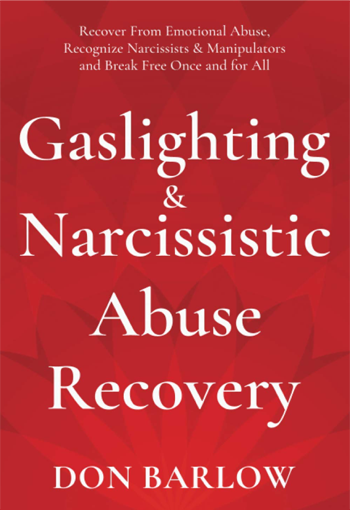
Gaslighting & Narcissistic Abuse Recovery by Don Barlow: A Therapist's Review and Key Takeaways for Couples in 2026
Listen to this review on a podcast

I've seen many clients arrive at my couples therapy practice feeling confused, anxious and questioning their own sanity after years of subtle manipulation in what they once thought was a loving partnership.
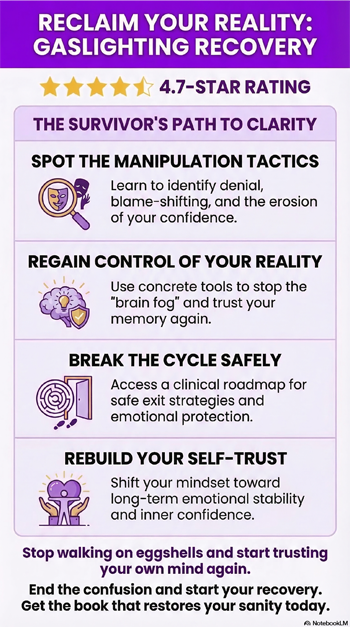
Many of them experience the lingering effects of gaslighting and narcissistic behaviour, where one partner slowly erodes the other's confidence through denial, blame shifting and emotional withdrawal.
This book provides a straightforward explanation of how narcissistic traits operate across different relationships and equips readers with practical steps to recognise patterns, protect their reality and begin genuine healing. In my sessions, I've drawn directly from these insights to help clients move from confusion to clarity using the book's emphasis on self-care and mindset shifts.
Affiliate Disclosure: As an Amazon Associate, I earn from qualifying purchases. The links below are affiliate links, meaning if you click and make a purchase, I may receive a small commission at no extra cost to you. This helps keep my counselling session costs affordable for my clients.
Therapist's Quick Verdict: This is a great evidence-based practical guide for survivors of gaslighting and narcissistic abuse. It is specifically designed for individuals and couples who feel their reality has been distorted by ongoing manipulation and who need concrete tools to regain control without endless self-analysis. The book delivers a clinical roadmap focused on recognition, safe exit strategies and long-term emotional regulation that directly addresses the common problem of self-doubt and isolation many clients bring to therapy. In my experience, it complements attachment-informed work by providing a biological and behavioural lens on why these patterns persist and how they can be interrupted.
| Author | Don Barlow |
| Publication Year | 2021 |
| Key Themes | Narcissistic personality spectrum, gaslighting tactics, emotional abuse recovery, rebuilding self-trust, safe exit strategies |
| Who is this book best for | In my clinical experience, this book is best for individuals recovering from manipulative relationships where reality has been distorted. If you are looking for a straightforward, step-by-step resource that explains why you feel constantly confused or blamed in your relationship, or if you suspect narcissistic traits are at play in family or work dynamics, this is my client's top recommendation. The book maps directly onto common relationship pain points such as self-doubt after repeated denial, difficulty trusting your own memory and the exhaustion of walking on eggshells. It is particularly suited to those in the early stages of awareness or those who have already left but need guidance to prevent falling into similar patterns again. I rate it highly because it respects the reader's intelligence while offering common-sense advice that supports long-term stability rather than quick fixes. |
Key Features & Chapter Breakdown
Don Barlow organises the material around the core elements of narcissistic behaviour and gaslighting, making complex psychological patterns accessible without requiring prior knowledge. The book begins by outlining the spectrum of narcissistic traits, from everyday tendencies to more severe expressions, and introduces readers to how these traits create environments where gaslighting can flourish. This foundation is especially useful in therapy because it helps clients move away from black-and-white thinking about their partner and toward a nuanced understanding that supports healthier boundaries.
The middle sections explore the progression of gaslighting across different types of relationships, including romantic partnerships, family dynamics and even workplace interactions. Barlow details the incremental stages that leave victims questioning their sanity and provides numerous real-world examples that resonate strongly with the stories I hear in my consulting room. Readers learn specific tactics such as denial, trivialising feelings and rewriting shared history, all explained in plain language that avoids clinical jargon while maintaining accuracy. In my practice, these explanations have helped couples identify patterns early, preventing escalation into deeper emotional disconnection.
The concluding chapters shift focus to practical recovery, offering concrete strategies for responding effectively, maintaining emotional safety during exit and rebuilding a stable sense of self afterwards. Emphasis is placed on self-care routines, mindset adjustments and the importance of not expecting closure from the abuser. This section aligns closely with the steady, responsible approach I advocate in sessions, where clients learn to take ownership of their healing journey while recognising that professional support can accelerate progress. The overall structure moves logically from awareness to action, ensuring readers feel supported at every stage.
Review & Analysis
This evidence-based guide stands out for its approachable explanation of personality traits in relationships:
- Strengths: The book's greatest strength lies in its balanced presentation of narcissistic behaviour without sensationalism. Barlow shows how everyday traits can escalate into harmful patterns while emphasising that victims are not at fault. This perspective aligns closely with the acceptance-based approach I use in couples therapy, where we focus on understanding rather than assigning blame. The integration of practical examples across different relationship types makes the material immediately relevant, and the writing style remains engaging and free of unnecessary complexity.
- Weaknesses: Published in 2021, some referenced studies could benefit from more recent updates on trauma recovery techniques. The book is more focused on individual recovery than on joint couple exercises, so readers in ongoing relationships may wish to pair it with professional guidance. A small number of cultural references feel slightly dated, though the core principles remain timeless and widely applicable.
- Practical Applications: The book's descriptions translate directly into everyday scenarios. A partner who repeatedly denies certain conversations occurred can be understood through the lens of gaslighting tactics rather than personal failing. Readers learn simple responses that preserve dignity and safety, such as documenting incidents privately or maintaining external support networks. These tools have proven valuable in my sessions for clients who need immediate, actionable steps alongside deeper therapeutic work.
- Current Relevance: Relevance to modern relationships remains high in 2026. With greater public awareness of emotional abuse and mental health, clients appreciate a resource that normalises their experiences without pathologising natural variation in personality. The framework complements evidence-based approaches such as cognitive behavioural techniques and emotion-focused therapy by providing a clear behavioural lens on manipulation patterns that persist in both personal and professional settings.
Pros and Cons
| Pros | Cons |
|---|---|
| Strong focus on practical, everyday strategies for recognising and responding to gaslighting | Self-published format means fewer academic citations than some clinical texts |
| Clear explanations of narcissistic traits that apply to romantic, family and work relationships | Limited interactive exercises for couples currently in therapy together |
| Emphasis on long-term self-rebuilding and prevention of future patterns | Some examples could include more diverse cultural contexts for broader appeal |
Comparisons & Alternatives
If you are seeking initial recognition and escape tools, this main book offers the most direct path. For those already out of the relationship and focused on deeper emotional integration, Toxic Relationships: Breathe Again: 5 Steps to Healing & Recovery provides a structured five-step process that complements the recovery phase beautifully. Readers facing legal proceedings will find How to Divorce a Narcissist: and succeed in the family court by Diana Jordan invaluable for its court-specific strategies. Don Barlow's book sits comfortably in the middle: more practical than purely theoretical works yet more focused on immediate safety than purely legal guides. Choose according to your current stage, whether awareness, healing or formal separation.
| Book | Focus | Best For |
|---|---|---|
| Gaslighting & Narcissistic Abuse Recovery by Don Barlow Check price ❯❯ | Recognition of gaslighting and narcissistic patterns plus initial recovery steps | Couples or individuals needing clear tools to identify manipulation and begin rebuilding reality |
| Toxic Relationships: Breathe Again: 5 Steps to Healing & Recovery Check price ❯❯ | Post-separation emotional integration and five-step healing process | Survivors already out of the relationship who want structured long-term recovery support |
| How to Divorce a Narcissist: and succeed in the family court by Diana Jordan Check price ❯❯ | Legal navigation and protecting children during separation from narcissistic partners | Individuals facing court proceedings who need practical family-law strategies |
Therapist's Buying Guide
When selecting books on narcissistic abuse recovery, look first for a strong practical foundation that addresses both recognition and actionable steps rather than endless theory. Prioritise titles grounded in real behavioural patterns that appear across different relationship types, with clear advice on maintaining safety and rebuilding self-trust. The most useful resources also discuss prevention of future patterns and integrate self-care without promising unrealistic quick fixes. Readability matters: the best books explain psychological concepts in everyday language while respecting the seriousness of the topic. Finally, choose works that encourage professional support alongside self-help, as this balanced approach aligns with effective long-term relationship therapy and personal responsibility.
FAQs
Is this book suitable for men as well as women?
Yes. The principles apply equally regardless of gender, and many male clients have found the strategies for recognising manipulation and rebuilding confidence equally helpful in both romantic and family contexts.
Can it help with narcissistic family members rather than partners?
Absolutely. The sections on different relationship types include practical advice for setting boundaries with parents or siblings while protecting your emotional wellbeing.
How does it compare to attending therapy sessions?
It serves as an excellent complement rather than a replacement. Many clients use the book's framework to prepare for sessions and accelerate progress between appointments.
Is the advice too basic for someone already familiar with narcissism?
No. While accessible, the book offers nuanced strategies for response and long-term recovery that even experienced readers find fresh and applicable.
Will it help if I am still living with the person?
Yes. It provides safety-focused techniques for managing daily interactions while planning a safe exit if needed.
Does the book include workbook-style exercises?
It offers reflective prompts and practical action steps throughout rather than formal worksheets, making it easy to apply immediately.
Conclusion
From a therapeutic perspective this book provides a robust clinical roadmap for understanding the behavioural underpinnings of relational manipulation. Couples or individuals who grasp these patterns often experience rapid shifts from self-doubt to clarity, creating the safety needed for deeper emotional repair in therapy.
This book is especially well suited for people who have accumulated years of unspoken confusion about their partner's behaviour. It directly addresses the pain point of feeling constantly wrong or crazy in their own home. The concise chapters and straightforward strategies fit the lifestyle of busy professionals and parents who need insight without lengthy theoretical detours.
The core outcome is greater self-trust and more effective personal boundaries. If recurring doubt or emotional exhaustion has left you questioning your own perceptions, this book offers a steady, responsible path toward clarity and independence. I recommend it to clients as a foundational resource that continues to inform their progress long after the final page.
Affiliate Disclosure: As an Amazon Associate, I earn from qualifying purchases. The links above are affiliate links, meaning if you click and make a purchase, I may receive a small commission at no extra cost to you. This helps keep my counselling session costs affordable for my clients. View the full Amazon Affiliate Disclosure.
About the Book Reviewer
Rhys Lewis MSc PgDip, is the founder of The Relationship Clinic Wales and a professionally qualified couples therapist.
He is the author of 300 Ways To Improve Your Relationship and Infidelity: A Survival Guide.
Rhys provides these reviews to help clients and readers find the most effective, evidence-based tools for relationship health. View his list of best relationship advice books for couples in 2026 here.
Connect with Rhys: