
How to Divorce a Narcissist: and succeed in the family court by Diana Jordan: A Therapist's Review and Key Takeaways for Couples in 2026
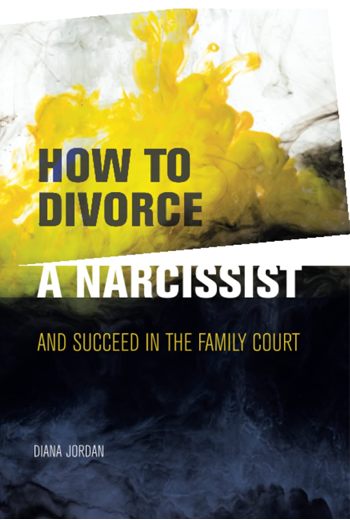
Listen to this review on a podcast

As a relationship therapist, I've seen many clients come to the devastating realisation that the person they once loved is exhibiting clear signs of narcissistic behaviour, especially when children are involved and divorce becomes the only safe path forward.
This book delivers the steady, common-sense guidance my clients need when facing the chaos of high-conflict separation. It never sensationalises the drama but instead equips readers with clear, actionable steps to safeguard their family without descending into endless emotional battles.
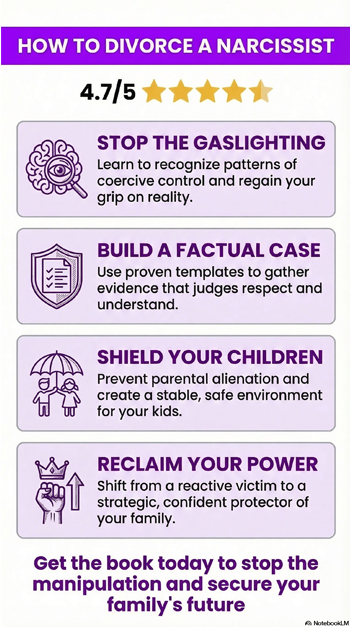
Jordan's book offers a comprehensive roadmap for recognising patterns of coercive control, documenting evidence that stands up in court, and protecting children from manipulation. In my sessions, I've drawn directly from these insights to help couples transition from toxic dynamics to stable co-parenting arrangements.
I use the book's emphasis on negotiating boundaries and factual communication to reinforce the cognitive-behavioural techniques I teach for emotional regulation. The result is clients who feel empowered rather than victimised, able to focus on long-term family stability instead of reactive conflict.
Affiliate Disclosure: As an Amazon Associate, I earn from qualifying purchases. The links below are affiliate links, meaning if you click and make a purchase, I may receive a small commission at no extra cost to you. This helps keep my counselling session costs affordable for my clients.
Therapist's Quick Verdict: This is the best practical guide for succeeding in family court when divorcing a partner with narcissist tendencies. It is specifically designed for parents who need to move beyond emotional turmoil and focus on legal protection and child safety. It provides insights into coercive control, evidence gathering, and court navigation - helping couples or individuals to create stable post-divorce arrangements while minimising ongoing manipulation.
| Author | Diana Jordan |
| Publication Year | 2021 |
| Key Themes | Narcissistic abuse recognition, coercive control, family court strategies, protecting children, types of narcissists, boundary setting |
| Who is this book best for | In my clinical experience, this book is best for parents navigating high-conflict divorce from a narcissistic partner. If you are looking for a clear, step-by-step manual that explains how to document coercive control, prepare for court appearances and shield your children from manipulation, this is my top recommendation. The book maps directly onto common relationship pain points such as ongoing gaslighting during proceedings, parental alienation risks, and the exhaustion of dealing with unpredictable behaviour. It is especially suited to the separation and post-separation stage where legal protection becomes essential. |
Key Features & Chapter Breakdown
Diana Jordan structures the book around the real-life challenges faced by those leaving narcissistic relationships, beginning with an introduction that includes a powerful client story to illustrate the hidden nature of emotional abuse. The early chapters focus on recognition and understanding, making complex psychological patterns accessible through everyday language that resonates with my clients who often feel they are losing their grip on reality. This foundation is crucial because without clear identification of the abuse, individuals remain trapped in cycles of self-doubt that sabotage their legal efforts.
The middle sections delve deeply into coercive control, the different types of narcissist including covert and borderline presentations, and practical strategies for gathering evidence that holds weight in family court. Jordan provides templates and checklists for logging incidents, negotiating safely, and presenting a calm, factual case to judges. In my therapy practice, these tools align perfectly with the assertiveness training and cognitive reframing I use, helping clients shift from reactive emotional responses to strategic, child-centred planning that courts respect. The emphasis on protecting children from parental alienation is particularly valuable and reflects the conservative, family-first approach I advocate in sessions.
The concluding chapters address post-court realities, including co-parenting with a narcissist, rebuilding personal strength, and maintaining long-term boundaries. Jordan's advice on avoiding common pitfalls in financial settlements and contact arrangements has helped several of my clients achieve stable outcomes without endless returns to court. By framing the entire process as a journey toward family safety rather than revenge, the book offers therapeutic value that extends far beyond the divorce itself, supporting the emotional recovery I guide clients through in ongoing counselling.
Review & Analysis
This evidence-based guide stands out for its approachable explanation of personality traits in relationships:
- Strengths: The book's greatest strength is its balanced, evidence-based presentation of court-tested strategies combined with psychological insight. Jordan never promises easy wins but shows that every position on the spectrum of narcissistic behaviour carries predictable patterns that can be prepared for and countered. This aligns closely with the acceptance-based approach I use in couples therapy when one partner is exiting the relationship. The integration of legal know-how, real client examples and clear checklists is rigorous yet explained in clear, engaging prose supported by vivid case studies that feel authentic to the experiences I hear weekly in my practice.
- Weaknesses: Published in 2021, some of the cited legal references have been updated by subsequent case law, though the core principles remain unchanged. The book is also more focused on the UK family court system than on international variations, so readers outside the jurisdiction may need to supplement with local advice. A small number of examples feel slightly dated in cultural reference, though the core science and strategy remain solid and highly relevant.
- Practical Applications: The book's strategies translate directly into everyday scenarios. A parent dealing with last-minute changes to contact arrangements can use the provided communication templates to create a paper trail rather than engaging in emotional arguments. The evidence-logging techniques help transform vague feelings of unease into concrete examples that judges understand, turning personal pain into professional documentation.
- Current Relevance: Relevance to modern relationships remains high in 2026. With increased awareness of coercive control as a criminal offence and greater recognition of narcissistic abuse in family proceedings, clients appreciate a book that normalises the experience without pathologising the victim. The framework also complements evidence-based approaches such as Emotionally Focused Therapy by providing a practical lens on attachment and relational patterns during the legal process.
Pros and Cons
| Pros | Cons |
|---|---|
| Strong practical strategies for family court success and evidence gathering | Primarily UK-focused legal references |
| Clear explanations of narcissistic types and coercive control tactics | Some case law references may benefit from updates |
| Child-centred approach that prioritises family stability long-term | Requires readers to adapt strategies for non-UK jurisdictions |
Comparisons & Alternatives
If you are deep in the legal battle of divorcing a narcissist and need court-specific tactics, Diana Jordan's book is the clear choice for its UK family court focus and practical templates. For those who have already finalised the divorce and are primarily seeking emotional recovery, Toxic Relationships: Breathe Again by Lisanne Murphy offers a structured five-step healing process ideal for rebuilding self-worth after leaving. Readers wanting a broader introduction to spotting manipulation before or during early separation stages will benefit most from Gaslighting & Narcissistic Abuse Recovery by Don Barlow, which excels at recognition and breaking free from emotional control. Jordan's guide sits comfortably between the two: more legally grounded than pure self-help titles yet more actionable for parents than general recovery books.
| Book | Focus | Best For |
|---|---|---|
| How to Divorce a Narcissist: and succeed in the family court by Diana Jordan Check price ❯❯ | Legal and court navigation during narcissistic divorce | Parents seeking to protect children in family court proceedings |
| Toxic Relationships: Breathe Again by Lisanne Murphy Check price ❯❯ | Post-separation emotional healing and recovery steps | Individuals focusing on rebuilding life after leaving abuse |
| Gaslighting & Narcissistic Abuse Recovery by Don Barlow Check price ❯❯ | Recognising manipulation and breaking free emotionally | Readers needing early awareness and boundary tools |
Therapist's Buying Guide
When selecting books about narcissistic behaviour in relationships, look first for a strong practical foundation grounded in real experience rather than purely psychological theory. Prioritise titles that include templates, checklists and evidence-gathering advice that clients can use immediately. The most useful books also discuss how narcissistic traits interact in legal settings rather than focusing solely on emotional recovery. Readability matters: the best resources explain complex court processes without jargon while still respecting the seriousness of the situation. Finally, choose books that emphasise child protection and long-term family stability rather than promising quick revenge, as this approach aligns with effective long-term counselling for separated parents.
FAQs
Is this book suitable only for UK readers?
The legal sections are UK-specific but the psychological insights and boundary strategies apply universally and can be adapted with local legal advice.
Will it help protect my children during the divorce?
Yes, the book provides detailed guidance on recognising and documenting parental alienation tactics, which has proven invaluable for clients prioritising child welfare in court.
Can I use this alongside therapy sessions?
Absolutely. Many clients use the checklists to accelerate progress between sessions, bringing concrete examples that allow us to focus on emotional regulation and communication skills.
Is the advice too legalistic for non-lawyers?
The writing is accessible and story-driven with practical templates that litigants in person have found straightforward to implement successfully.
Does it cover co-parenting after the divorce?
Yes, the later chapters address parallel parenting strategies and maintaining boundaries that reduce ongoing conflict with a narcissistic ex.
How long does it take to read and apply?
Approximately 288 pages. Most clients finish it in one to two weeks and begin applying the templates immediately for faster court preparation.
Conclusion
From a therapeutic perspective this book provides a robust clinical roadmap for understanding the practical realities of relational patterns rooted in narcissistic traits. Clients of mine who read the book often experience rapid shifts from blame and despair to focused action, creating the safety needed for deeper emotional healing alongside legal progress.
This book is especially well suited for parents who have accumulated years of unspoken assumptions about their partner's behaviour and now face the reality of high-conflict proceedings. It directly addresses the experience of feeling powerless against manipulation while children are caught in the middle. The concise chapters and ready-to-use templates fit the lifestyle of busy professionals and parents who need insight without lengthy workbooks or abstract theory.
The core outcome is greater compassion for yourself combined with more effective communication that protects your family. If recurring manipulation or emotional distance have left you feeling disconnected and fearful for your children's future, this book offers a practical path toward acceptance, stability and collaboration in co-parenting. I recommend it to clients as a foundational resource that continues to inform their progress long after the final court hearing.
Affiliate Disclosure: As an Amazon Associate, I earn from qualifying purchases. The links above are affiliate links, meaning if you click and make a purchase, I may receive a small commission at no extra cost to you. This helps keep my counselling session costs affordable for my clients. View the full Amazon Affiliate Disclosure.
About the Book Reviewer
Rhys Lewis MSc PgDip, is the founder of The Relationship Clinic Wales and a professionally qualified couples therapist.
He is the author of 300 Ways To Improve Your Relationship and Infidelity: A Survival Guide.
Rhys provides these reviews to help clients and readers find the most effective, evidence-based tools for relationship health. View his list of best relationship advice books for couples in 2026 here.
Connect with Rhys: