
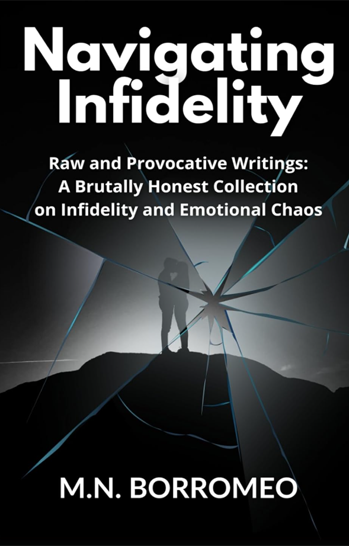
’Navigating Infidelity: Raw and Provocative Writings’ by M N Borromeo: A Therapist's Review and Key Takeaways for Couples in 2026
Listen to this review on a podcast

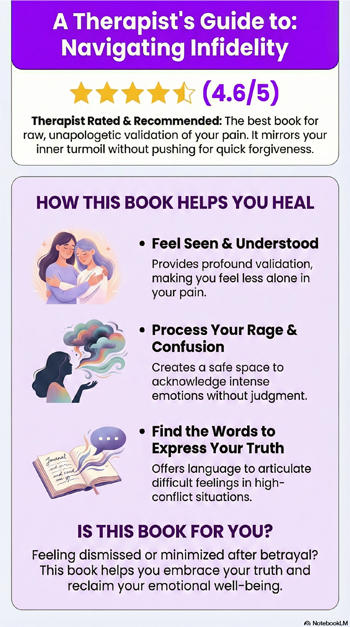
When working with clients as a relationship therapist, I've seen the devastating aftermath of infidelity for those who have been betrayed, where trust is shattered and emotional turmoil dominates daily life. This book offers raw, unapologetic validation of the pain experienced by the betrayed, providing a space to acknowledge rage and confusion without pressure to forgive. Its honest approach aligns with the therapeutic need to process emotions fully before moving toward healing, making it a valuable resource I've recommended to clients navigating similar crises.
Affiliate Disclosure: As an Amazon Associate, I earn from qualifying purchases. The links below are affiliate links, meaning if you click and make a purchase, I may receive a small commission at no extra cost to you. This helps keep my counselling session costs affordable for my clients.
Therapist's Quick Verdict: This is the best book for raw validation of betrayal pain in infidelity recovery. It is specifically designed for partners in high-conflict relationships who need specific phrasing and strategies to express difficult emotions without triggering a defensive reaction.
| Author | M N Borromeo |
| Publication Year | 2025 |
| Key Themes | Emotional aftermath of betrayal, validation of pain, raw honesty without apology |
| Who is this book best for | In my clinical experience, this book is best for betrayed partners seeking raw emotional validation in infidelity recovery. This book is best for those who feel overwhelmed by the rage and confusion following betrayal, often feeling like their pain is dismissed or minimized. If you are looking for a collection of unfiltered writings that mirror your inner turmoil and provide affirmation without pushing for quick forgiveness, this is my top recommendation. |
Key Features & Chapter Breakdown
This book is structured as a collection of raw writings rather than traditional chapters, delving into the chaos and confusion that follow infidelity. It explores silent battles, haunting questions, and unspoken truths, offering validation for the betrayed without focusing on reconciliation.
In my practice, I've used similar concepts to help clients articulate their pain, shifting from suppressed emotions to healthier expression, which aligns with cognitive-behavioral techniques for emotional regulation.
Review & Analysis
Add subsections with balanced feedback:
- Strengths: The book's raw honesty and brutal truths provide profound validation for the betrayed, helping readers feel seen and understood in their pain. Real-life emotional depictions resonate deeply, as noted by my clients who felt the author was "speaking their truth." This approach fosters a sense of solidarity, essential for initial healing stages.
- Weaknesses: It maintains a strong bias against the cheater, lacking neutrality which might alienate some of those exploring reconciliation. Some find it overly focused on rebalancing pain rather than more balanced perspectives, potentially limiting its appeal for couples therapy contexts.
- Practical Applications: The writings encourage expressing unfiltered emotions, which I've adapted in sessions for clients to journal their anger and disappointment, aiding in processing betrayal trauma. For busy parents, short excerpts can serve as daily reflections to manage triggers and rebuild self-worth.
Pros and Cons
| Pros | Cons |
|---|---|
| Raw and honest validation of betrayal pain | Biased against cheaters, not neutral |
| Helps express difficult emotions effectively | May be too intense for early recovery stages |
| Affordable and accessible format | Lacks guidance on reconciliation or therapy |
Comparisons & Alternatives
If you're seeking raw validation, choose Borromeo; for structured recovery, Lewis; for victim-focused analysis, Mitchells.
| Book | Focus | Best For |
|---|---|---|
| Navigating Infidelity: Raw and Provocative WritingsCheck price ❯❯ | Raw emotional validation | Betrayed seeking affirmation |
| Infidelity - A Survival Guide: Insights from a Relationship TherapistCheck price ❯❯ | Practical recovery roadmap | Couples deciding to rebuild |
| Cheating in a Nutshell: What Infidelity Means to the VictimCheck price ❯❯ | Victim-centered analysis | Those considering leaving |
Therapist's Buying Guide
When selecting infidelity recovery books, look for evidence-based content that draws from research on attachment styles and trauma, ensuring practical exercises for emotional regulation. Prioritize readability with compassionate language that avoids blame, and seek inclusivity across diverse relationships and cultural contexts to support broad applicability in healing from betrayal.
FAQs
Is this book suitable for couples trying to reconcile?
Primarily focused on validation for the betrayed, it may not emphasize reconciliation, but its raw insights can aid individual processing before joint therapy.
How does it compare to therapy sessions?
It serves as a supplement by validating emotions, but professional therapy provides personalized guidance for relational dynamics.
Is it appropriate for men who have been betrayed?
Yes, its universal themes of pain and betrayal resonate across genders, though comments by my clients highlight its appeal to those feeling emotionally dismissed.
Does the book offer practical exercises?
It focuses more on reflective writings than structured exercises, encouraging readers to journal their own experiences for catharsis.
Is it suitable for those in the early stages of discovery?
Absolutely, as my clients note its helpfulness in initial rage phases, providing language for unexpressed pain.
How long does it take to read?
At 233 pages, it can be read in a few sittings, but many revisit sections for ongoing support.
Does it address cultural differences in infidelity?
It maintains a universal tone, but lacks specific cultural contexts, focusing on shared emotional experiences.
Conclusion
From a therapeutic perspective, this book excels in facilitating emotional regulation by validating the intense pain of betrayal, drawing on principles similar to trauma-informed care where acknowledgment precedes healing. It mirrors aspects of cognitive reframing I employ in sessions, helping clients shift from self-doubt to empowered understanding without the need for immediate attachment repair. Compared to real-world therapy, it offers an accessible entry point for individual processing, though it complements rather than replaces guided exploration of relational dynamics.
This resource particularly aids those experiencing betrayal - though not exclusively - who grapple with feeling dismissed in their grief, addressing pain points like shattered trust and lingering confusion in long-term relationships. Its format of short, provocative writings fits busy lifestyles, allowing for brief, impactful readings amid daily demands. For those in mid-crisis stages, it provides a non-judgmental space to confront emotions, aligning with maintenance phases where self-validation sustains progress.
Ultimately, I endorse this book for its transformative potential in rebuilding personal strength after infidelity. Embrace your truth and begin reclaiming your emotional well-being today.
Affiliate Disclosure: As an Amazon Associate, I earn from qualifying purchases. The links above are affiliate links, meaning if you click and make a purchase, I may receive a small commission at no extra cost to you. This helps keep my counselling session costs affordable for my clients. View the full Amazon Affiliate Disclosure.
About the Book Reviewer
Rhys Lewis MSc PgDip, is the founder of The Relationship Clinic Wales and a professionally qualified couples therapist.
He is the author of 300 Ways To Improve Your Relationship and Infidelity: A Survival Guide.
Rhys provides these reviews to help clients and readers find the most effective, evidence-based tools for relationship health. View his list of best relationship advice books for couples in 2026 here.
Connect with Rhys: