
‘Rebuilding Trust’ by Morgan Johnson: A Therapist's Review and Key Takeaways for Couples in 2026
Listen to this review on a podcast

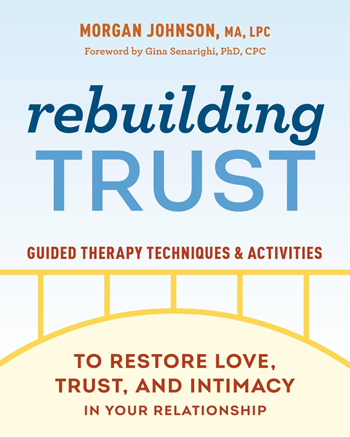
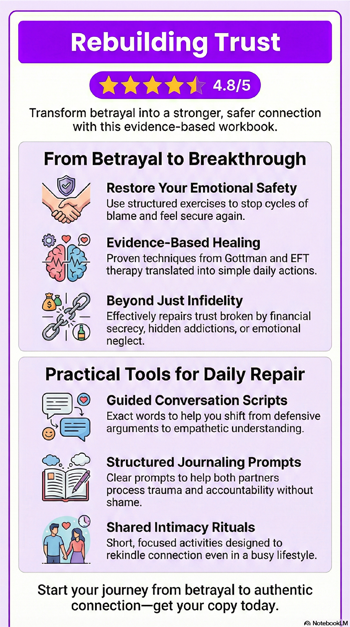
Working as a couples therapist in the UK, I've helped countless couples to make sense of the aftermath of broken trust - whether from infidelity, hidden addictions, financial secrecy, or patterns of emotional disrespect. The pain of a relational norm violation can leave partners feeling unsafe, disconnected, and uncertain about the future. Morgan Johnson's Rebuilding Trust offers a compassionate, structured path forward with evidence-based exercises that I've found align closely with techniques I use in sessions to help couples restore safety and intimacy.
This workbook-style guide stands out for its practical, step-by-step activities that draw from respected approaches such as Gottman Method, Emotionally Focused Therapy (EFT), and Imago Relationship Therapy. It provides partners with concrete tools to process emotions, rebuild emotional regulation, and foster secure attachment - benefits that make it a resource I frequently recommend to clients ready to do the collaborative work of repair.
Affiliate Disclosure: As an Amazon Associate, I earn from qualifying purchases. The links below are affiliate links, meaning if you click and make a purchase, I may receive a small commission at no extra cost to you. This helps keep my counselling session costs affordable for my clients.
Therapist's Quick Verdict: This is the best practical workbook for couples rebuilding trust after a betrayal. It is specifically designed for partners experiencing a boundary violation who need structured, evidence-based exercises to regain emotional safety without overwhelming theoretical content.
| Author | Morgan Johnson MA, LPC |
| Publication Year | 2022 |
| Key Themes | Rebuilding trust after betrayal, emotional safety, intimacy restoration, evidence-based couple exercises |
| Who is this book best for | In my clinical experience, this book is best for committed couples healing from a relationship betrayal who feel disconnected, unsafe, or stuck in cycles of blame and withdrawal. If you are looking for a structured workbook with journaling prompts, conversation scripts, and step-by-step activities that fit busy lifestyles yet deliver deep relational repair, this is my top recommendation. It particularly suits middle-aged partners in long-term relationships seeking preventive strengthening or post-crisis recovery. |
Key Features & Chapter Breakdown
The book is organised as a guided programme that moves couples progressively from understanding the impact of betrayal through to rebuilding safety and intimacy. Early sections explore the nature of relational norm violations (a broad, inclusive term covering infidelity, emotional affairs, addictions, and disrespect), helping both the hurt and involved partner process emotions without shame.
Subsequent chapters introduce practical exercises drawn from Gottman Method, EFT, and Imago therapy - such as journaling prompts for individual reflection, structured dialogue scripts, and joint activities to restore emotional regulation and secure attachment. Later sections focus on rebuilding intimacy through vulnerability-building practices and long-term maintenance strategies.
In my practice, I've adapted similar exercises to help clients shift from defensive patterns to empathetic understanding, often seeing breakthroughs when partners consistently apply these tools together.
Review & Analysis
- Strengths: The greatest strength is its abundance of actionable, evidence-based exercises that couples can implement immediately. The non-judgmental tone and inclusive language make it accessible to diverse relationships, including LGBTQ+ partnerships. Readers consistently praise the compassionate approach and the way it balances attention to both partners' experiences, fostering genuine accountability without blame escalation. The integration of multiple respected therapeutic models provides a robust clinical roadmap rarely found in self-help formats.
- Weaknesses: While comprehensive, the book is most effective when both partners are fully committed; one-sided effort yields limited results. Some readers note a desire for more detailed real-life couple examples to illustrate exercises. It is not designed as a standalone solution for severe trauma or ongoing abuse - professional therapy remains essential in such cases.
- Practical Applications: In sessions, I frequently recommend the journaling prompts for processing betrayal trauma and the dialogue scripts for rebuilding emotional safety. For busy couples, the short, focused activities fit realistically into daily life and often lead to reduced conflict and renewed intimacy. One exercise on creating shared vulnerability rituals has helped several of my clients rekindle genuine connection.
Pros and Cons
| Pros | Cons |
|---|---|
| Abundance of practical, step-by-step exercises | Requires full commitment from both partners |
| Draws from respected evidence-based therapies | Limited detailed real-life couple examples |
| Inclusive and non-judgmental approach | Not suitable as standalone for severe trauma or abuse |
| Compassionate and hopeful tone throughout | Best supplemented by professional guidance |
Comparisons & Alternatives
If you're seeking structured, evidence-based exercises for post-betrayal repair, Morgan Johnson's workbook excels; for general trust-building and emotional safety, Sophie Hartman's guide offers preventive strategies; for a personal couple's perspective on healing betrayal, Matt and Laura Burton provide relatable experiential insights.
| Book | Focus | Best For |
|---|---|---|
| Rebuilding Trust by Morgan Johnson Check price ❯❯ | Guided exercises from multiple evidence-based therapies for post-betrayal repair | Couples wanting structured, practical activities |
| How to Build Trust in a Relationship by Sophie Hartman Check price ❯❯ | Strengthening emotional safety and honesty in general | Partners focused on prevention or early-stage trust building |
| Rebuilding Trust: A Couple’s Guide to Healing After Betrayal by Matt & Laura Burton Check price ❯❯ | Personal experiential guide to betrayal recovery | Couples seeking relatable stories alongside advice |
Therapist's Buying Guide
When selecting books on rebuilding trust after betrayal, prioritise titles with a clear evidence base drawn from established couple therapies such as Gottman Method or EFT. Look for practical, structured exercises over purely theoretical content, as these provide couples with immediate tools for change. Readability and inclusivity are essential - books should use accessible language and acknowledge diverse relationship dynamics without judgment. Finally, favour resources that encourage professional support when needed rather than presenting themselves as complete replacements for therapy.
FAQs
Is this book only for couples recovering from infidelity?
No - the author uses the inclusive term “relational norm violation” to cover sexual or emotional affairs, hidden addictions, financial secrecy, abandonment, and patterns of disrespect.
Is the book suitable for LGBTQ+ or non-traditional relationships?
Yes, the language and approach are deliberately inclusive and non-judgmental toward all relationship structures.
Can this book replace couples therapy?
It is an excellent supplement that provides structure between sessions but is not a substitute for professional guidance, especially in complex or traumatic cases.
Do both partners need to participate for it to work?
The exercises are most effective when both partners engage willingly; unilateral effort can still offer personal insight but limits relational repair.
How long does it take to work through the book?
Couples typically spend several months, moving at a pace that feels safe - there is no rushed timeline.
Is it suitable for individuals whose partner won't participate?
Many individual exercises support personal healing and emotional regulation, though joint activities yield the deepest relational benefits.
Conclusion
From a therapeutic perspective, Rebuilding Trust succeeds because it translates complex clinical concepts - emotional regulation, secure attachment repair, and cognitive reframing - into accessible, evidence-based practices that mirror what occurs in effective couple therapy sessions. By addressing both the hurt partner's trauma responses and the involved partner's accountability needs, it creates balanced conditions for genuine healing rather than superficial reconciliation.
This book particularly helps couples who have experienced betrayal and now feel distant, unsafe, or trapped in repetitive conflict. The short, structured exercises accommodate busy lives while delivering meaningful progress toward renewed intimacy and trust - outcomes I regularly witness when clients apply similar tools consistently.
For partners committed to repairing what feels broken, this workbook offers a hopeful, clinical roadmap to transform pain into deeper connection. If you are ready to move beyond survival toward authentic relational safety, beginning these guided activities can mark the turning point toward the secure, fulfilling partnership you both deserve.
Affiliate Disclosure: As an Amazon Associate, I earn from qualifying purchases. The links above are affiliate links, meaning if you click and make a purchase, I may receive a small commission at no extra cost to you. This helps keep my counselling session costs affordable for my clients. View the full Amazon Affiliate Disclosure.
About the Book Reviewer
Rhys Lewis MSc PgDip, is the founder of The Relationship Clinic Wales and a professionally qualified couples therapist.
He is the author of 300 Ways To Improve Your Relationship and Infidelity: A Survival Guide.
Rhys provides these reviews to help clients and readers find the most effective, evidence-based tools for relationship health. View his list of best relationship advice books for couples in 2026 here.
Connect with Rhys: