
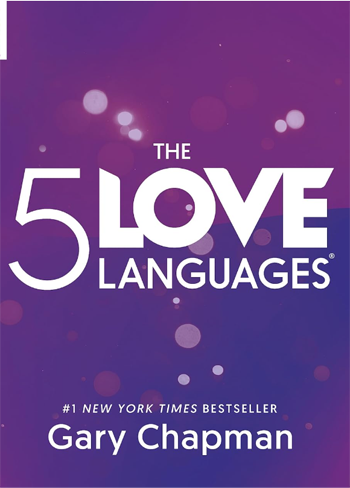
’The 5 Love Languages Workbook’ by Gary Chapman: A Therapist's Review and Key Takeaways for Couples in 2026
Listen to this review on a podcast

As a couples therapist, I've seen countless couples struggle with expressing affection in ways that truly resonate with their partners, leading to feelings of disconnection and frustration. This book offers practical, interactive tools to identify and apply the five love languages, fostering deeper emotional bonds and mutual understanding. In my sessions, I've used insights from this workbook to help clients rediscover ways to feel valued and loved, aligning with cognitive-behavioral techniques to reinforce positive relational dynamics.
Affiliate Disclosure: As an Amazon Associate, I earn from qualifying purchases. The links below are affiliate links, meaning if you click and make a purchase, I may receive a small commission at no extra cost to you. This helps keep my counselling session costs affordable for my clients.
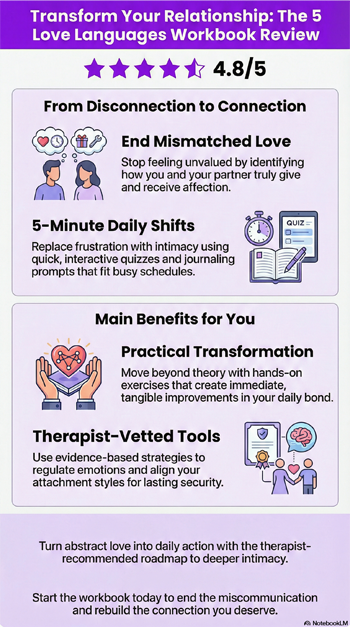
Therapist's Quick Verdict: This is the best interactive workbook for mastering love languages in relationships. It provides a clinical roadmap with quizzes and exercises to enhance emotional regulation and relational dynamics, solving the common issue of mismatched love expressions more effectively than purely theoretical guides.
| Author | Gary Chapman |
| Publication Year | 2023 |
| Key Themes | Love languages, emotional connection, interactive relationship building |
| Who is this book best for | In my clinical experience, this book is best for established couples committed to improving their relationship. It addresses the struggle of mismatched expressions of affection, such as unspoken appreciations or overlooked gestures, through hands-on quizzes and 5-minute exercises that fit busy lifestyles. If you are looking for practical tools to rebuild intimacy and align attachment styles, this is my top recommendation. |
Key Features & Chapter Breakdown
The workbook begins with an introduction to the five love languages - Words of Affirmation, Quality Time, Receiving Gifts, Acts of Service, and Physical Touch - offering quizzes to identify your primary language and that of your partner.
Subsequent sections delve into each language with interactive exercises, such as journaling prompts for Words of Affirmation to practice verbal encouragement, or planning activities for Quality Time to foster undivided attention.
It includes group discussion guides and real-life application scenarios, emphasizing how to apply these in daily life. In my practice, I've adapted these exercises to help clients recognize patterns in their relational dynamics, shifting from miscommunication to empathetic understanding.
Review & Analysis
This workbook stands out for its hands-on approach, making abstract concepts tangible and applicable.
- Strengths: Backed by Chapman's decades of counseling experience, it features evidence-based strategies with real couple examples that illustrate how love languages transform relationships. The interactive format encourages active participation, leading to lasting insights on emotional regulation and attachment styles.
- Weaknesses: It assumes familiarity with the original book, which might leave newcomers needing additional context; additionally, it offers less emphasis on diverse cultural contexts in love expression.
- Practical Applications: The exercises, like creating personalized 'love tanks' checklists, have aided my clients in deepening intimacy - for instance, adapting acts of service for busy parents by scheduling small, meaningful tasks that align with their partner's needs, promoting cognitive reframing in everyday interactions.
Pros and Cons
| Pros | Cons |
|---|---|
| Interactive exercises promote immediate application and self-reflection | May feel repetitive for those who have read the original book extensively |
| Evidence-based insights from years of relationship counseling | Limited depth on cultural variations in love expressions |
| Affordable and accessible for couples at any relationship stage | Not suitable as a standalone for severe relational issues like abuse |
Comparisons & Alternatives
If you prefer practical exercises, choose this workbook; for foundational theory, opt for the original; for advanced communication skills, select the mind-reading guide.
| Book | Focus | Best For |
|---|---|---|
| The 5 Love Languages Workbook by Gary ChapmanCheck price ❯❯ | Interactive application of love languages | Couples seeking hands-on tools |
| The 5 Love Languages by Gary ChapmanCheck price ❯❯ | Introduction to love language concepts | Beginners exploring emotional expression |
| How to Read Your Partner's Mind: Effective Communications for Couples by UnknownCheck price ❯❯ | Advanced communication techniques | Couples focusing on verbal understanding |
Therapist's Buying Guide
When selecting relationship self-help books in the love languages category, prioritize evidence-based content drawn from clinical research or extensive counseling experience to ensure reliability. Look for readability with clear, accessible language that avoids jargon while incorporating practical exercises like quizzes or daily prompts to facilitate real-world application. Inclusivity is key, seeking books that address diverse backgrounds, attachment styles, and life stages. Additionally, value those emphasizing emotional intelligence and long-term relational dynamics over quick fixes, as they support sustainable growth in communication and intimacy.
FAQs
Is this workbook suitable for singles?
While primarily designed for couples, the exercises can benefit singles by helping understand personal love languages for future relationships or self-reflection.
How does it compare to therapy sessions?
It serves as an excellent supplement, offering tools for home practice, but cannot replace personalized professional guidance for complex issues.
Do I need to read the original book first?
It's recommended for deeper context, but the workbook includes summaries and can stand alone for practical use.
Is it useful for long-term couples?
Yes, it helps refresh connections and address evolving needs in established relationships.
Can it help with cultural differences in relationships?
It provides a framework, but may require adaptation; focus on open discussions within exercises.
What if our love languages change over time?
The workbook encourages reassessment, as languages can evolve with life stages.
Is it appropriate for non-romantic relationships?
Absolutely, principles apply to family and friendships with modifications.
Conclusion
From a therapeutic standpoint, this workbook excels in promoting emotional regulation through targeted exercises that mirror cognitive-behavioral interventions, helping couples reframe miscommunications as opportunities for growth. It bridges the gap between awareness and action, much like guided sessions, by providing a structured clinical roadmap that enhances attachment security and relational satisfaction without requiring intensive therapy.
It particularly aids established couples committed to improving their relationship by addressing pain points such as overlooked gestures or waning intimacy amid daily routines. The interactive format, with quick quizzes and adaptable activities, suits busy professionals or parents in long-term maintenance phases, offering tools that fit seamlessly into hectic lifestyles while fostering deeper empathy.
Ultimately, I endorse this workbook for its core strength in delivering short, practical exercises that yield better empathy and fewer misunderstandings. Embrace its strategies to rebuild trust and transform your connection - start today to experience the lasting outcomes in your relationship.
Affiliate Disclosure: As an Amazon Associate, I earn from qualifying purchases. The links above are affiliate links, meaning if you click and make a purchase, I may receive a small commission at no extra cost to you. This helps keep my counselling session costs affordable for my clients. View the full Amazon Affiliate Disclosure.
About the Book Reviewer
Rhys Lewis MSc PgDip, is the founder of The Relationship Clinic Wales and a professionally qualified couples therapist.
He is the author of 300 Ways To Improve Your Relationship and Infidelity: A Survival Guide.
Rhys provides these reviews to help clients and readers find the most effective, evidence-based tools for relationship health. View his list of best relationship advice books for couples in 2026 here.
Connect with Rhys: