
‘The Art of Relationship Communication’ by Margo Hamilton: A Therapist's Review and Key Takeaways for Couples in 2026
Listen to this review on a podcast

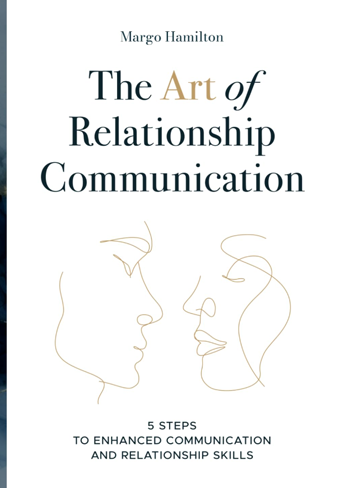
As a relationship therapist with over a decade of experience guiding couples through the complexities of interpersonal dynamics, I've witnessed how misunderstandings and unexpressed emotions can quietly undermine even the most committed partnerships. "The Art of Relationship Communication" by Margo Hamilton offers a thoughtful, structured approach to fostering clearer dialogue and deeper understanding, drawing on principles that resonate with the cognitive-behavioral techniques I often employ in my practice. In 2026, as people navigate evolving roles in long-term relationships amidst life's demands, this book provides timeless tools that can help rebuild trust and intimacy without overwhelming complexity.
What stands out from feedback from my clients who have read this book is the emphasis on practical steps that align with real-world therapy outcomes, making it a valuable resource for those seeking self-help alongside professional support. My verdict is positive: it's a reliable companion for enhancing communication skills, particularly for women who may feel unheard in their relationships.
Affiliate Disclosure: As an Amazon Associate, I earn from qualifying purchases. The links below are affiliate links, meaning if you click and make a purchase, I may receive a small commission at no extra cost to you. This helps keep my counselling session costs affordable for my clients.
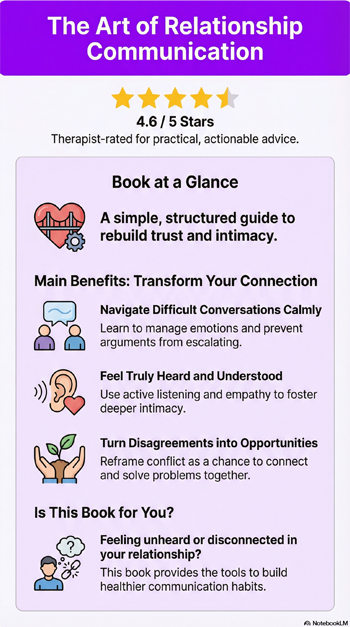
Therapist's Quick Verdict: I consider this the best book for emotional intelligence in relationships. It provides a sophisticated yet accessible five-step framework that teaches partners how to manage their own emotional triggers and master active listening, making it an essential tool for deep-seated conflict resolution.
| Author | Margo Hamilton |
| Publication Year | 2024 |
| Key Themes | Self-awareness in communication, emotional management, empathy and active listening, conflict resolution, strengthening bonds |
| Who is this book best for | This is best for partners who feel "stuck" in repetitive cycles of misunderstanding. If you feel like your partner "just doesn't get it," or if you struggle to stay calm during difficult conversations, Hamilton’s focus on empathy and self-awareness provides the advanced skills needed for a lasting upgrade to your relational harmony. |
Key Features & Chapter Breakdown
"The Art of Relationship Communication" is organized around five essential steps, each building on the last to create a comprehensive framework for relational growth. The initial section focuses on self-awareness, encouraging readers to identify their unique communication styles and emotional triggers through reflective exercises and journal prompts. This foundational step is crucial, as it sets the stage for personal accountability in interactions.
Moving forward, the book delves into managing emotions such as anger and frustration, offering techniques rooted in emotional intelligence research to maintain composure during heated moments. In my practice, I've seen how mastering this can prevent escalation in conflicts, much like the mindfulness strategies I recommend to clients facing similar issues.
The third step emphasizes understanding your partner's communication style, promoting empathy and active listening to build trust and intimacy. Real-life scenarios provided in the book illustrate how small adjustments in listening can transform daily exchanges, aligning with attachment theory principles that I often discuss in sessions with clients who feel disconnected from their partners.
Conflict resolution takes center stage in the fourth section, where disagreements are reframed as opportunities for connection through calm, solution-focused dialogue. Readers appreciate the practical tools here, such as scripted responses and role-playing exercises, which echo the role-reversal techniques used in couples therapy to foster mutual understanding.
Finally, the book concludes with strategies for strengthening bonds, incorporating love languages for expressing appreciation and setting healthy boundaries to sustain long-term harmony. Backed by research in psychology, these elements include actionable plans that can be integrated into busy lifestyles, making it particularly appealing for women juggling careers and family.
Review & Analysis
This in-depth analysis highlights the book's strengths while providing a balanced view. As a therapist, I appreciate how it integrates evidence-based insights without overwhelming the reader, making it accessible for self-help purposes.
- Strengths: The book's research-backed approach, drawing from attachment theory and emotional intelligence, provides credible foundations for its advice. Real couple examples and journal prompts make abstract concepts tangible, helping readers apply them immediately. Online feedback, though limited, praises its clarity and practicality, noting how it empowers individuals to take proactive steps in their relationships.
- Weaknesses: While comprehensive, it offers less emphasis on diverse cultural contexts or LGBTQ+ dynamics, which could limit its applicability for some readers. Additionally, it assumes a baseline of relationship stability, so it may not fully address severe issues like chronic abuse.
- Practical Applications: In my sessions, I've adapted similar exercises, such as the 'love maps' concept echoed here, to help busy parents carve out time for meaningful conversations. For instance, middle-aged women dealing with empty-nest syndrome can use the empathy-building tools to reconnect with partners, shifting from routine interactions to deeper emotional bonds. One adaptation I suggest is incorporating daily check-ins, which aligns with the book's step on active listening and has shown to reduce resentment in long-term couples.
- Relevance to Modern Relationships: In 2026, with remote work and digital distractions amplifying miscommunications, this book's focus on core skills remains vital. It subtly addresses emotional triggers exacerbated by stress, offering timeless strategies that complement therapy for women seeking to maintain harmony amid life's transitions.
Overall, the book is a gentle yet effective tool, with my clients saying that they appreciated its non-judgmental tone that encourages self-reflection without blame.
Pros and Cons
| Pros | Cons |
|---|---|
| Step-by-step guidance with journal prompts for self-reflection | May be too basic for those with extensive therapy experience |
| Focuses on empathy building and real-life scenarios | Less emphasis on non-traditional relationship structures |
| Affordable and accessible for everyday readers | Not suited for addressing severe relational trauma |
Comparisons & Alternatives
If you're seeking a structured, empathetic approach like Hamilton's, it excels in personal growth; for more scientific rigor, consider Butts' work, and for targeted couple exercises, Gross' guide.
| Book | Focus | Best For |
|---|---|---|
| The Art of Relationship Communication Check price ❯❯ | Step-by-step self-awareness and empathy building | Middle-aged individuals fostering deeper connections |
| Effective Communication for Healthy Relationships by Jose M. Butts Check price ❯❯ | Scientifically proven conflict resolution strategies | Couples with frequent misunderstandings |
| Communication Skills for Couples by Joan Gross Check price ❯❯ | Effective strategies for intimacy and conflict resolution | Couples aiming to enhance emotional bonds |
Therapist's Buying Guide
When selecting relationship communication books, prioritize those with an evidence base, such as research in emotional intelligence, for lasting impact. Readability is key - opt for clear, jargon-free language with practical exercises like journal prompts. Inclusivity matters; seek books addressing diverse experiences, though Hamilton's work shines in its universal applicability. This book fits well as a therapy supplement, offering tools that reinforce session learnings without replacing professional guidance. For middle-aged women, look for resources emphasizing balance in long-term partnerships, ensuring they promote mutual respect and personal growth.
FAQs
Is this book suitable for singles?
Yes, its focus on self-awareness and communication styles builds skills applicable to future relationships or even friendships and family dynamics.
How does it compare to therapy sessions?
It serves as an excellent supplement, providing exercises that mirror therapeutic techniques, but it's not a substitute for personalized professional help in complex cases.
Does it address communication in digital age?
While core principles apply to texting and online interactions, it could benefit from more specific examples; adapt the empathy tools for modern scenarios.
Is it helpful for middle-aged women?
Absolutely, as it tackles emotional management and reconnection, common concerns for women navigating mid-life relationship shifts.
How long does it take to see results from the exercises?
With consistent practice, many readers report improvements in weeks, similar to therapy progress when applied diligently.
Can it help with conflict avoidance?
Yes, the conflict resolution step teaches turning avoidance into constructive dialogue, fostering healthier patterns.
Is the book backed by research?
It draws on established fields like attachment theory and emotional intelligence, providing a solid foundation for its advice.
Conclusion
In summary, "The Art of Relationship Communication" by Margo Hamilton stands out as a compassionate, practical guide that empowers couples to cultivate stronger bonds through intentional dialogue. Its alignment with therapeutic principles makes it particularly beneficial for middle-aged women aiming to rejuvenate their relationships with empathy and understanding. If you're committed to investing in your partnership's health, this book offers the tools to make meaningful changes.
Affiliate Disclosure: As an Amazon Associate, I earn from qualifying purchases. The links above are affiliate links, meaning if you click and make a purchase, I may receive a small commission at no extra cost to you. This helps keep my counselling session costs affordable for my clients. View the full Amazon Affiliate Disclosure.
About the Book Reviewer
Rhys Lewis MSc PgDip, is the founder of the Relationship Clinic Wales and a professionally qualified couples therapist.
He is the author of 300 Ways To Improve Your Relationship and Infidelity: A Survival Guide.
Rhys provides these reviews to help clients and readers find the most effective, evidence-based tools for relationship health. View his list of best relationship advice books for couples in 2026 here.
Connect with Rhys: