
How Not to Hate Your Husband After Kids by Jancee Dunn: A Therapist's Review and Key Takeaways for Couples in 2026
Listen to this review on a podcast

Expectant parents often spend weeks comparing car seats and almost no time preparing their relationship for what happens after the birth. Jancee Dunn admits she and her husband were exactly that couple, and How Not to Hate Your Husband After Kids, subtitled Surviving the Highs and Lows of Parenting Together, is her candid account of what followed: exhaustion, an unfair division of household chores and a white-hot resentment she had never expected to feel. My quick verdict: this is one of the most readable and honest books on the marriage-after-baby dip, ideal for couples who want to laugh, recognise themselves and pick up practical ideas.
Dunn is a journalist rather than a therapist, and that is part of the appeal. Arguments after a baby are often about who notices what needs doing, who gets to rest and who feels taken for granted. Dunn puts those arguments on the page with humour and without blame, then turns to relationship research and experts for ideas. For couples who feel they have become opponents rather than a team, that mix of recognition and reported advice is a gentle way in.
Affiliate Disclosure: As an Amazon Associate, I earn from qualifying purchases. The links below are affiliate links, meaning if you click and make a purchase, I may receive a small commission at no extra cost to you. This helps keep my counselling session costs affordable for my clients.
Therapist's Quick Verdict: This is the most readable guide to the marriage-after-baby dip, for couples who want an honest, funny account of post-baby resentment with practical advice gathered from experts. Drawing on her own marriage, relationship research and interviews with sex and couples therapists, friends, parents and even an FBI hostage negotiator, Dunn explores why arguments escalate after a baby arrives and how couples can become allies again.
| Author | Jancee Dunn |
| Publication Year | 2018 (Arrow paperback, 8 February 2018) |
| Key Themes | Marriage after a baby, post-baby resentment, sleep loss, unfair division of household chores, recurring arguments, communication under stress, defusing conflict, sex and intimacy after children, becoming a team again |
| Who is this book best for | From a counselling perspective, this book is best for parents of babies and young children who feel resentment building over sleep, chores and time, and who want a relatable, practical book rather than a clinical manual. It is especially useful when one partner feels they carry most of the mental load and the other feels criticised. I rate it highly as accessible psychoeducation, although it is a journalist's memoir with reported advice rather than a structured therapy programme. |
Key Features & Chapter Breakdown
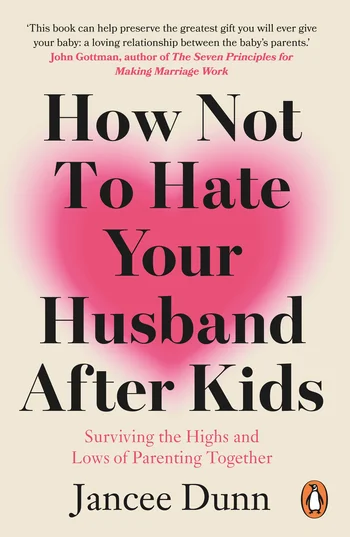
The edition reviewed here is the Arrow paperback (ISBN-13 978-1784754778, 8 February 2018, 288 pages). Dunn describes the book on her website as a mix of science-based research, quotes from medical experts and memoir, and it has been published in twelve languages. The cover carries an endorsement from John Gottman, who writes that the book can help preserve a loving relationship between a baby's parents.
According to the publisher's description, Dunn's story begins with sleep deprivation, a suddenly unfair split of chores and her husband's new passion for very long bike rides, and the rage she felt watching him on his phone. Tired of repeating the same fights, she consults relationship research, sex and couples therapists, friends and parents, and an FBI hostage negotiator on how to contain an explosive situation, asking whether the person who got her into this position could become her ally again.
Review & Analysis
This candid marriage-after-baby memoir stands out for its honesty and humour:
- Strengths: Dunn's greatest strength is honesty. She is willing to describe her own resentment in unflattering detail, which helps readers feel less alone and less ashamed. The humour lowers defences, so partners can read about recurring fights without feeling attacked, and the reported advice turns recognition into ideas couples can try.
- Author Credibility: Jancee Dunn is a journalist, not a clinician. According to her own biography, she writes the Well column for the New York Times, has written about health for more than two decades for publications including Vogue and The Guardian, and spent a dozen years as a reporter and editor at Rolling Stone. Her essay collection was a finalist for the Thurber Prize for American Humor.
- Weaknesses: In my view, it is popular journalism and memoir rather than a clinician-authored programme, so the advice depends on the experts she interviewed rather than a tested protocol. The tips are woven through the story rather than set out as a week-by-week workbook. The husband-and-wife framing is the book's own and will not fit every family.
- Practical Applications: Couples can each read a section, then mark the moments where they recognised themselves and talk about one change each would find helpful. Writing down who does which household tasks can also make an invisible imbalance easier to discuss calmly.
- Current Relevance: Relevance in 2026 remains high. The pressures Dunn describes, from broken sleep to uneven chores and screens at home, are as familiar to new parents now as when the book was published (the Amazon.co.uk product page showed 4.5 out of 5 stars from 3,327 global ratings when this review was prepared).
Pros and Cons
| Pros | Cons |
|---|---|
| Candid, funny account of the post-baby strain on a marriage | Journalist memoir rather than a clinician-authored programme |
| Practical advice gathered from research and couples therapists | Tips are spread through the story, not a week-by-week workbook |
| Names the unfair division of chores that fuels resentment | Husband-and-wife framing will not fit every family |
Comparisons & Alternatives
Choose How Not to Hate Your Husband After Kids when the main problem is resentment between partners after a baby and you want an honest, funny account with practical ideas for becoming a team again. Choose Emotional Regulation for Parents by T.R. Fosters, my top pick in this category, when parental stress and emotional triggers are straining family life and you want mindfulness tools for calmer co-parenting. Choose The 5 Love Languages of Children by Gary Chapman and Ross Campbell when you want a shared language for helping your child feel loved and aligning around their emotional needs.
| Book | Focus | Best For |
|---|---|---|
| How Not to Hate Your Husband After Kids by Jancee Dunn Check price ❯❯ | Resentment, sleep loss and the unfair split of chores after a baby | New parents who feel they have become opponents rather than a team |
| Emotional Regulation for Parents by T.R. Fosters Read my review ❯❯ Check price ❯❯ | Mindfulness and emotional regulation for parental stress and triggers | Parents whose reactivity is straining family life and co-parenting |
| The 5 Love Languages of Children by Gary Chapman and Ross Campbell Read my review ❯❯ Check price ❯❯ | The five ways children feel loved | Couples aligning around a child's emotional needs |
Therapist's Buying Guide
When choosing a book about parenting and your relationship, start with the problem you most want to change. If one or both of you is feeling overwhelmed and reactive, a book on emotional regulation may help first. If you are clashing over how to meet your child's emotional needs, choose a book that gives you a shared framework. If the strain is mainly between the two of you, over sleep, chores, time and feeling unappreciated, a relationship-focused book is the best fit. If arguments involve fear, intimidation or control, or one of you is struggling with low mood after the birth, speak to your GP or a professional before relying on a book.
FAQs
Is How Not to Hate Your Husband After Kids written by a therapist?
No. Jancee Dunn is a journalist and author. The book combines her own experience with relationship research and advice from experts she interviewed, including sex and couples therapists.
Is it only for mothers?
The book is written from a wife's point of view and uses husband-and-wife framing, but many of the pressures it describes, such as sleep loss and an unfair split of chores, will be familiar to many parents.
Is it a workbook?
No. It is a narrative book with practical advice woven through it, rather than a week-by-week programme with structured exercises.
Does John Gottman endorse the book?
Yes. The cover carries an endorsement from John Gottman, who says the book can help preserve a loving relationship between a baby's parents. That is an endorsement, not a research study of the book's advice.
How does it compare with Emotional Regulation for Parents?
Dunn focuses on resentment and conflict between partners after a baby, while T.R. Fosters focuses on managing parental stress and triggers with mindfulness.
Conclusion
From a therapeutic perspective How Not to Hate Your Husband After Kids supports two key tasks: naming the resentment that often builds after a baby arrives, and turning repeated fights into conversations about fairness, rest and teamwork. Dunn's honesty gives couples permission to talk about feelings they may be ashamed of.
This book suits parents of babies and young children, as well as couples expecting their first child who want to prepare their relationship as well as their home.
The core strength is Dunn's ability to make a painful phase feel normal and even funny. The main outcome is a clearer, kinder conversation about how the two of you share the load and support each other. If stress and emotional triggers are the bigger issue, start with Emotional Regulation for Parents, and for your child's emotional needs, read The 5 Love Languages of Children next.
Affiliate Disclosure: As an Amazon Associate, I earn from qualifying purchases. The links above are affiliate links, meaning if you click and make a purchase, I may receive a small commission at no extra cost to you. This helps keep my counselling session costs affordable for my clients. View the full Amazon Affiliate Disclosure.
About the Book Reviewer
Rhys Lewis MSc PgDip, is the founder of The Relationship Clinic Wales and a professionally qualified couples therapist.
He is the author of 300 Ways To Improve Your Relationship and Infidelity: A Survival Guide.
Rhys provides these reviews to help clients and readers find the most effective, evidence-based tools for relationship health. View his list of best relationship advice books for couples in 2026 here.
Connect with Rhys: