
Marriage and Lasting Relationships with Asperger's Syndrome by Eva A. Mendes: A Therapist's Review and Key Takeaways for Couples in 2026
Listen to this review on a podcast

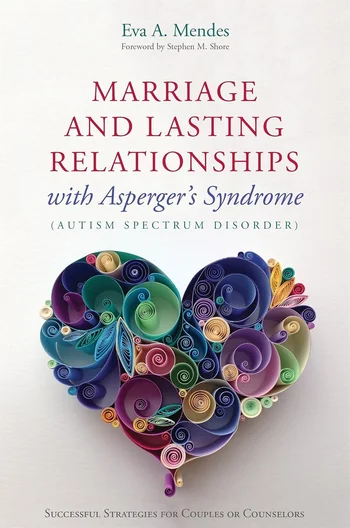
As a relationship therapist, I've seen couples arrive convinced they have a "communication problem" when the deeper pattern is neurodiversity - sensory load, parallel play without shared intimacy, and years of mutual misreading. The non-spectrum partner often feels lonely beside a capable but unavailable spouse; the autistic partner feels criticised for traits they cannot simply will away. My quick verdict is that Eva A. Mendes' Marriage and Lasting Relationships with Asperger's Syndrome remains one of the most practical counselling-room guides for neurodiverse couples when ordinary marriage books never name autism spectrum difference.
Published in 2015 by Jessica Kingsley Publishers, with a foreword by Stephen M. Shore, EdD, the book draws on Mendes' work as a couples counsellor and ASD specialist (M.A., LMHC). She covers diagnosis, mental health overlaps, sexual compatibility, sensory needs, executive functioning, theory of mind, communication and co-parenting, with tools such as a relationship schedule. In sessions I use her framing to stop pathologising difference as refusal to love. Main benefits are concrete strategies, compassion for both partners, and counsellor-ready language public reviews still call wise and usable.
Affiliate Disclosure: As an Amazon Associate, I earn from qualifying purchases. The links below are affiliate links, meaning if you click and make a purchase, I may receive a small commission at no extra cost to you. This helps keep my counselling session costs affordable for my clients.
Therapist's Quick Verdict: This is the best practical counselling-room guide for lasting neurodiverse marriages shaped by autism spectrum difference. It is designed for couples (and therapists who see them) when ordinary marriage tips fail against sensory overload, parallel play and mismatched intimacy expectations. Mendes turns clinic strategies into schedules, communication bridges and co-parenting tools without demanding the autistic partner become neurotypical.
| Author | Eva A. Mendes, M.A., LMHC (foreword by Stephen M. Shore, EdD) |
| Publication Year | 2015 |
| Key Themes | Neurodiverse marriage, ASD diagnosis and acceptance, sensory needs, theory of mind, communication, relationship schedules, sexual compatibility, co-parenting, counsellor strategies |
| Who is this book best for | In my clinical experience, this book is best for married or long-term couples where one or both partners are on the autism spectrum and generic "talk more" advice has failed. If you live with parallel play instead of intimacy, sensory meltdowns, or loneliness beside a capable partner, this is my top practical ASD-relationship recommendation. The chaptered format suits mid-crisis couples and therapists who want ready-to-use tools. |
Key Features & Chapter Breakdown
Publisher listings give about 264 pages, ISBN-13 978-1849059992 (ASIN 1849059993), Jessica Kingsley Publishers, July 2015. Eighteen chapters run from pursuing and accepting diagnosis through learning about ASD, managing overlapping anxiety, depression, OCD and ADHD, then theory of mind, sensory overload, sexual needs, bridging parallel play, relationship schedules, communication, co-parenting, self-care, suspending judgements and neurodiverse couples counselling.
Early chapters help couples decide whether to pursue diagnosis and how to absorb that knowledge without shame. Mendes uses "NS" (non-spectrum) rather than assuming the partner is simply "neurotypical," which matches couples where the non-autistic partner also carries ADHD, trauma or sensory differences.
Middle chapters address sensory overload, sexual needs and bridging parallel play so shared interests become connection rather than side-by-side isolation. Later chapters cover relationship schedules, communication, co-parenting, NS-partner self-care and specialist counselling. Public reviews praise the charts and case-informed tone; an honest caveat is that the title still uses "Asperger's" language many clinicians now fold into autism spectrum wording.
Review & Analysis
This guide stands out for bringing counselling-room ASD couple strategies into a readable self-help format:
- Strengths: Mendes' greatest strength is practical translation. She names diagnosis dilemmas, sensory and sexual mismatch, executive-function strain and co-parenting without stereotyping either partner. Public endorsements emphasise compassion for both people; Amazon ratings commonly sit around the mid-4s. In clinic it accelerates psychoeducation from "why won't you just connect?" to "how do we design a shared life that respects neurological difference?"
- Weaknesses: The 2015 title still centres "Asperger's Syndrome" even while noting ASD; readers in 2026 may need a brief terminology update. Some public reviewers feel an NS-partner or therapy-emphasis tilt. US counselling examples may need adapting for UK NHS pathways. It is not a substitute for safety planning where abuse is present, and it is denser than a short workbook.
- Practical Applications: Couples can draft a weekly relationship schedule with planned connection and sensory-aware downtime. Share sensory and sexual chapters to inventory needs without blame, then trial shorter, clearer talk rather than long processing that floods the autistic partner. In therapy I often assign the parallel-play and schedule chapters, then practise suspending character judgements while still naming harmful behaviour.
- Current Relevance: Relevance in 2026 remains strong as adult autism recognition rises and more mid-life couples discover spectrum differences after years of unexplained loneliness. Mendes stays a first-line practical guide for ASD-shaped marriages. It pairs with Orlov when ADHD dominates, and with Emerson when anxious attachment and rejection sensitivity sit beside autism.
Pros and Cons
| Pros | Cons |
|---|---|
| Counselling-room strategies couples can apply day to day, including relationship schedules | Title uses older Asperger's wording that many now update to autism spectrum language |
| Covers sensory needs, sex, parallel play, co-parenting and communication with compassion for both partners | Some readers feel an NS-partner or therapy-emphasis tilt; not pure DIY |
| Written by an ASD specialist couples counsellor (LMHC) with case-informed tools | Not ideal as a sole resource where abuse, crisis or complex trauma dominate |
Comparisons & Alternatives
Choose Mendes when autism spectrum difference is central and you need counselling-informed daily strategies. Choose The ADHD Effect on Marriage by Melissa Orlov when ADHD has created parent-child roles and you want a six-step rebuild. Choose Anxious Attachment Recovery for Neurodivergent Minds by Brenda Emerson when anxious attachment and rejection sensitivity lead rather than ASD marriage systems. Mendes is the neurodiverse-marriage guide; Orlov the ADHD rebuild; Emerson the attachment niche.
| Book | Focus | Best For |
|---|---|---|
| Marriage and Lasting Relationships with Asperger's Syndrome by Eva A. Mendes Check price ❯❯ | ASD / neurodiverse marriage strategies from counselling | Couples needing practical autism-spectrum relationship tools |
| The ADHD Effect on Marriage by Melissa Orlov Read my review ❯❯ Check price ❯❯ | Six-step rebuild for ADHD-affected marriages | Couples stuck in parent-child and nagging cycles |
| Anxious Attachment Recovery for Neurodivergent Minds by Brenda Emerson Read my review ❯❯ Check price ❯❯ | Anxious attachment recovery for neurodivergent minds | ADHD/autistic adults healing rejection fear and overthinking |
Therapist's Buying Guide
When selecting neurodivergency in relationships books for autism-spectrum couples, look for titles that treat neurological difference as a relational-system issue rather than stubbornness. Prioritise sensory and communication literacy, empathy for both partners, and tools that sit alongside counselling. Prefer resources that discourage "fix the autistic person only" thinking. Mendes fits for ASD-specific marriage strategies; Orlov when ADHD systems dominate; Emerson when attachment panic leads.
FAQs
Is this book only for the non-spectrum partner?
No. It speaks to both partners and to counsellors. Autistic adults often gain language for sensory and social load; NS partners gain compassion without abandoning fair expectations.
Can it replace couples therapy or diagnostic assessment?
It is a strong self-help and counsellor companion but not a replacement for therapy, autism assessment or mental-health care where those are needed.
Is Eva A. Mendes a licensed clinician?
Yes. Public author notes describe her as M.A., LMHC - a psychotherapist and couples counsellor specialising in ASD / Asperger's relationships, including support-group work with the Asperger/Autism Network (AANE).
Is the "Asperger's" wording still accurate?
Many clinicians now use autism spectrum language rather than Asperger's as a separate label. The strategies still apply; read the title as a 2015-era framing of ASD relationships.
Is it suitable for UK readers?
Yes for relational patterns, sensory tools and schedules. Adapt counselling-access chapters to local NHS and private pathways, which can differ from US examples.
How does it compare with Melissa Orlov's book?
Mendes centres autism-spectrum / neurodiverse marriage strategies; Orlov is organised as a six-step rebuild for ADHD-affected marriages. Choose by which neurodivergence is driving the stuck pattern - or use both when ADHD and autism co-occur.
Conclusion
From a therapeutic perspective this book offers a usable clinical roadmap for couples fighting about character when autism spectrum differences have been running the show. It reframes "coldness" and "selfishness" as sensory, executive-function and theory-of-mind challenges, then points partners toward shared schedules and clearer communication rather than endless lectures. Clients who share a coherent neurodiversity map often make counselling more productive.
It suits mid-life couples - and younger partners in the same loops - stuck between loneliness, sensory conflict and failed communication tips. The pain point is parallel play instead of intimacy, or becoming the emotional manager while your partner feels permanently criticised. The chaptered format fits readers who want tools they can trial week by week.
The core strength is practical neurodiverse-marriage guidance that moves couples toward shared understanding, sensory-aware connection and fairer expectations. The main outcome is less moralising conflict and more intentional partnership around ASD realities. If autism spectrum difference may be shaping your relationship and generic advice has failed, I recommend Mendes as a first-line strategies resource, then Orlov for ADHD-system rebuild and Emerson for attachment regulation when those layers sit beside autism.
Affiliate Disclosure: As an Amazon Associate, I earn from qualifying purchases. The links above are affiliate links, meaning if you click and make a purchase, I may receive a small commission at no extra cost to you. This helps keep my counselling session costs affordable for my clients. View the full Amazon Affiliate Disclosure.
About the Book Reviewer
Rhys Lewis MSc PgDip, is the founder of The Relationship Clinic Wales and a professionally qualified couples therapist.
He is the author of 300 Ways To Improve Your Relationship and Infidelity: A Survival Guide.
Rhys provides these reviews to help clients and readers find the most effective, evidence-based tools for relationship health. View his list of best relationship advice books for couples in 2026 here.
Connect with Rhys: