
Neurodiverse Relationships by Joanna Pike: A Therapist's Review and Key Takeaways for Couples in 2026
Listen to this review on a podcast

In couples work, one of the most useful shifts is when partners stop arguing about who is "right" and start recognising that both people can be telling the truth from different nervous systems. Autistic and neurotypical spouses often sit in the same room describing the same evening - a cancelled plan, a quiet car journey, an intimacy mismatch - and still feel as if they married someone who will not listen. My quick verdict is that Neurodiverse Relationships, edited by Joanna Pike with Tony Attwood commentaries, is the strongest dual-perspective lived-experience anthology I recommend when a couple needs to hear both sides of the same issue before strategy manuals or worksheets will stick.
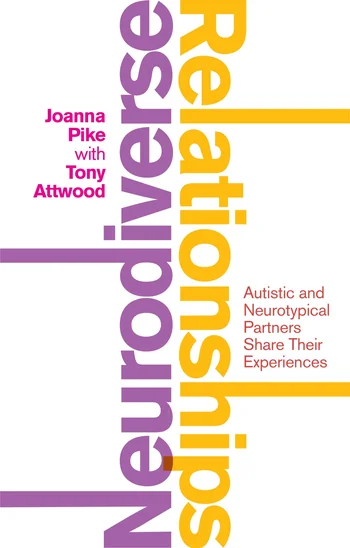
Published in 2019 by Jessica Kingsley Publishers, the volume gathers twelve heterosexual couples in which the man is on the autism spectrum. Each pair discusses a theme from both viewpoints, then Attwood adds a commentary and Q and A. Cover credits often list Pike with Attwood - frame it as an edited lived-experience anthology with expert commentaries, not a sole-authored clinical manual. In sessions I use this he-said/she-said structure to slow blame and rebuild curiosity. Main benefits are empathy for both partners, Attwood's commentaries, and realistic language about autistic/neurotypical dynamics that generic marriage books rarely name.
Affiliate Disclosure: As an Amazon Associate, I earn from qualifying purchases. The links below are affiliate links, meaning if you click and make a purchase, I may receive a small commission at no extra cost to you. This helps keep my counselling session costs affordable for my clients.
Therapist's Quick Verdict: This is the best dual-perspective anthology for autistic and neurotypical partners seeking mutual understanding. It is specifically designed for couples who feel permanently misread across anxiety, empathy, intimacy and social energy. The edited he-said/she-said accounts plus Tony Attwood commentaries provide a clinical roadmap for empathy and emotional regulation without demanding either partner become someone else. It solves the gap left by one-sided advice that only validates the neurotypical partner or only explains autism without relational repair language.
| Author | Joanna Pike (editor); commentaries by Tony Attwood |
| Publication Year | 2019 |
| Key Themes | Autistic/neurotypical relationships, dual perspectives, anxiety, empathy, intimacy, socialising, Attwood commentaries |
| Who is this book best for | In my clinical experience, this book is best best for autistic/neurotypical couples who feel chronically misread and need both partners' lived perspectives. If you keep arguing about social invitations, emotional tone, intimacy or anxiety - and each of you is sure the other is being difficult - this anthology maps those pain points through paired accounts. The he-said/she-said format fits couples who learn by recognising themselves in real stories. It suits mid-relationship repair when diagnosis or self-identification has finally named a difference that was always there.. |
Key Features & Chapter Breakdown
Pike structures the book as paired first-person accounts from twelve couples across themes such as anxiety, empathy, employment, intimacy and socialising. After each dual account, Tony Attwood adds a commentary and Q and A in clearer clinical language. Publisher listings give about 216 pages, ISBN-13 978-1787750289 (ASIN 1787750280), Jessica Kingsley Publishers, July 2019. The format helps partners recognise themselves without being told who is "right."
Opening accounts show why ordinary marriage advice fails when one partner is autistic and the other is neurotypical: the same event is processed through different sensory, social and emotional channels. Anxiety, change and everyday logistics become battlegrounds when each person assumes bad intent. In clinic I use these stories to interrupt the "you don't love me" / "you're too demanding" loop and replace it with curiosity about neurological difference.
Middle chapters deepen empathy, employment stress, family expectations, finances, intimacy and socialising. Readers hear how each partner can feel unseen across social energy and emotional labour. Attwood's commentaries translate frustration into workable understanding. Public feedback often praises the conversational he-said/she-said style for practical ideas without jargon.
Later accounts continue the dual-perspective pattern, including more complex disability intersections in at least one couple's story. Attwood's commentaries keep clinical clarity beside the anecdotes. An honest caveat in some public reviews is limited couple diversity (heterosexual pairs with the man on the autism spectrum), so treat the volume as a valuable but partial window. I still recommend it as an empathy bridge, then layer strategy books or counselling for day-to-day systems.
Review & Analysis
This dual-perspective anthology stands out for its approachable explanation of autistic and neurotypical relationship dynamics:
- Strengths: The book's greatest strength is the dual-perspective format. Hearing both partners on the same topic reduces the therapy trap where only one narrative dominates. Attwood's commentaries add clinical framing without a dry manual tone. Amazon readers often praise the conversational style. In my practice it accelerates psychoeducation from "why won't you just connect?" to "how do we design a shared life that respects both nervous systems?"
- Weaknesses: As an edited anthology it is stronger on lived insight than on step-by-step exercises. Some reviewers wanted greater couple diversity and more affirming autism language. Readers seeking schedules and worksheets may need a strategies text alongside it. It is not a substitute for safety planning where abuse is present.
- Practical Applications: Day to day, couples can read a theme together - for example anxiety or socialising - then use Attwood's Q and A as a conversation prompt. Partners name which account felt like their own experience. In sessions I assign one chapter as homework with a short "what I recognised in my partner's account" note, which often softens defensiveness faster than abstract theory.
- Current Relevance: Relevance in 2026 remains high as more adults receive autism diagnoses later in life and bring that clarity into long-term relationships. Dual-perspective storytelling still fills a gap left by one-sided autism books. Pike and Attwood complement strategy guides and attachment-focused titles by giving couples shared stories before system change.
Pros and Cons
| Pros | Cons |
|---|---|
| He-said/she-said accounts build empathy for both autistic and neurotypical partners | More lived-experience insight than step-by-step worksheets or schedules |
| Tony Attwood commentaries and Q and A add clear clinical framing after each theme | Limited diversity of featured couple pairings in the twelve accounts |
| Accessible conversational style that couples can read and discuss together | Best paired with a strategies guide or counselling for day-to-day systems change |
Comparisons & Alternatives
Choose Pike when you need dual autistic and neurotypical lived perspectives plus Attwood commentaries to rebuild empathy. Choose Marriage and Lasting Relationships with Asperger's Syndrome by Eva A. Mendes when you want counselling-room strategies, relationship schedules and co-parenting tools for ASD-shaped marriages. Choose Anxious Attachment Recovery for Neurodivergent Minds by Brenda Emerson when anxious attachment and rejection sensitivity lead rather than mutual autistic/neurotypical misunderstanding. Pike is the empathy anthology; Mendes the strategies guide; Emerson the attachment niche.
| Book | Focus | Best For |
|---|---|---|
| Neurodiverse Relationships by Joanna Pike Check price ❯❯ | Dual-perspective autistic/neurotypical lived experience with Attwood commentaries | Couples needing empathy across autistic/neurotypical difference |
| Marriage and Lasting Relationships with Asperger's Syndrome by Eva A. Mendes Read my review ❯❯ Check price ❯❯ | ASD / neurodiverse marriage strategies from counselling | Couples needing practical autism-spectrum relationship tools |
| Anxious Attachment Recovery for Neurodivergent Minds by Brenda Emerson Read my review ❯❯ Check price ❯❯ | Anxious attachment recovery for neurodivergent minds | ADHD/autistic adults healing rejection fear and overthinking |
Therapist's Buying Guide
When selecting neurodivergency in relationships books for autistic and neurotypical couples, look for titles that treat neurological difference as a relational-system issue rather than stubbornness. Prioritise dual-perspective literacy, sensory awareness and empathy for both partners. Prefer resources that discourage "fix the autistic person only" thinking. Story-led anthologies help recognition; strategy manuals help daily systems. Pike fits when couples need both sides first; Mendes for counselling-informed tools; Emerson when attachment panic leads.
FAQs
Is this a clinical manual or a lived-experience anthology?
It is an edited anthology of twelve couples' dual perspectives with Tony Attwood commentaries and Q and A - not a sole-authored clinical workbook.
Who edited the book, and what is Tony Attwood's role?
Joanna Pike is the editor who gathered the couple accounts; Tony Attwood contributes commentaries and question-and-answer sections on each theme. Cover credits often list both.
Will it help if only one of us is autistic?
Yes. The format is built for autistic/neurotypical pairs, and many neurotypical partners report finally understanding their spouse's experience.
Does it include practical exercises?
It is stronger on recognition and Attwood's clarifying Q and A than on worksheets. Pair it with Mendes or counselling if you need day-to-day schedules and tools.
Is the couple sample diverse?
The twelve featured couples are heterosexual with the man on the autism spectrum. Treat it as a valuable but partial window; other pairings may need additional resources.
Can it replace couples therapy?
No. It is an excellent empathy primer and conversation starter, but high conflict, trauma or abuse still need professional support.
How long does it take to read?
About 216 pages. Most couples finish in one to two weeks at a chapter-per-evening pace, ideally discussing each theme together.
Conclusion
From a therapeutic perspective this anthology provides a clinical roadmap for mutual understanding when autistic and neurotypical partners process the same events differently. The dual accounts support cognitive reframing and emotional regulation by replacing blame with recognised patterns. Couples who grasp both perspectives often enter counselling with less defensiveness and more curiosity.
This book suits mid-life and long-term couples who have accumulated years of unspoken assumptions about each other's "difficult" behaviour. It targets the pain point of feeling permanently misread - lonely beside a capable but hard-to-read partner, or criticised for traits you cannot switch off. The story-led format fits readers who learn by recognition rather than lengthy homework.
The core strength is dual-perspective empathy backed by Attwood's commentaries. The main outcome is shared language, less moralising conflict and a fairer reading of autistic/neurotypical difference. If ordinary marriage advice has failed and you need both partners' voices before you attempt system change, I recommend Pike first, then Mendes for counselling-room strategies and Emerson when anxious attachment and rejection sensitivity sit beside autism.
Affiliate Disclosure: As an Amazon Associate, I earn from qualifying purchases. The links above are affiliate links, meaning if you click and make a purchase, I may receive a small commission at no extra cost to you. This helps keep my counselling session costs affordable for my clients. View the full Amazon Affiliate Disclosure.
About the Book Reviewer
Rhys Lewis MSc PgDip, is the founder of The Relationship Clinic Wales and a professionally qualified couples therapist.
He is the author of 300 Ways To Improve Your Relationship and Infidelity: A Survival Guide.
Rhys provides these reviews to help clients and readers find the most effective, evidence-based tools for relationship health. View his list of best relationship advice books for couples in 2026 here.
Connect with Rhys: