
The Other Half of Asperger Syndrome by Maxine Aston: A Therapist's Review and Key Takeaways for Couples in 2026
Listen to this review on a podcast

Generic marriage tips keep telling the neurotypical partner to "communicate more clearly" while the autistic partner hears only criticism for traits they cannot switch off. In clinic I meet NS partners who have spent years translating every silence into rejection, and ASD partners who feel permanently on trial for being literal, sensory-sensitive or socially drained after ordinary evenings. My quick verdict is that Maxine Aston's The Other Half of Asperger Syndrome remains the accessible NS-partner literacy classic I recommend when a couple needs bite-size strategies and shared vocabulary before denser clinical manuals will stick.
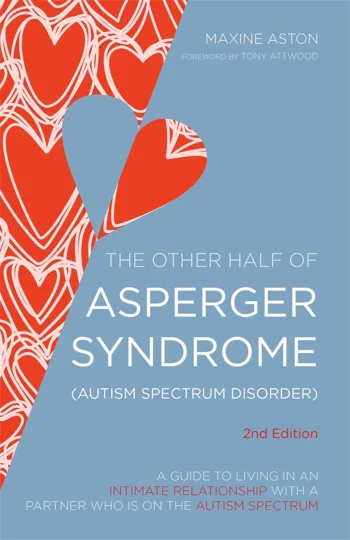
The 2nd edition (Jessica Kingsley Publishers, around February 2014) carries the fuller autism-spectrum subtitle and a foreword often credited to Dr Anthony Attwood, while authorship stays with Aston. At roughly 136 pages it is shorter and lighter than Eva Mendes' counselling-room guide, yet it still names communication, socialising, intimacy and day-to-day coping in plain language. In sessions I use it as a first literacy bridge so both people stop moralising difference. Main benefits are readable strategies, NS-partner focus without erasing the autistic partner, and a format busy couples can finish without a workbook marathon. I still caution that terminology in the title is dated, yet the relational skills remain usable.
Affiliate Disclosure: As an Amazon Associate, I earn from qualifying purchases. The links below are affiliate links, meaning if you click and make a purchase, I may receive a small commission at no extra cost to you. This helps keep my counselling session costs affordable for my clients.
Therapist's Quick Verdict: This is the best accessible NS-partner literacy classic for living in an intimate relationship with a partner on the autism spectrum. It is specifically designed for couples who need clear, bite-size strategies on communication, social energy and intimacy without a dense clinical manual. Aston provides a clinical roadmap for emotional regulation and mutual understanding when generic marriage advice keeps missing autism-spectrum difference. It solves the gap left by slogans about "talking more" that never name sensory load, literal thinking or social recovery time.
| Author | Maxine Aston (foreword often credited to Dr Anthony Attwood) |
| Publication Year | 2014 (2nd edition) |
| Key Themes | NS-partner literacy, autism spectrum / Asperger's in relationships, communication strategies, socialising, intimacy, sensory and coping tips |
| Who is this book best for | In my clinical experience, this book is best for neurotypical / NS partners (and couples) living with an autism-spectrum spouse who need clear literacy and bite-size strategies rather than a long clinical manual. If ordinary "communicate better" advice has failed and you keep misreading silence, social fatigue or intimacy mismatch as rejection or stubbornness, this is my go-to accessible primer. The short chaptered format suits mid-relationship repair when diagnosis or self-identification has finally named a difference that was always there. |
Key Features & Chapter Breakdown
Publisher listings give about 136 pages, ISBN-13 978-1849054980 (ASIN 1849054983), Jessica Kingsley Publishers, 2nd edition around 21 February 2014. Aston writes primarily for the partner who is not on the autism spectrum, while still aiming for compassion toward the autistic partner. The fuller subtitle names Autism Spectrum Disorder alongside the older Asperger Syndrome wording that remains in the title - an honest terminology mix readers in 2026 should expect. Attwood's foreword (when present on the edition) adds recognised clinical endorsement without changing authorship.
Opening sections orient the NS partner to how autism-spectrum difference can shape everyday intimacy: literal communication, social recovery needs, and the trap of treating neurological style as a character flaw. In clinic I use this early framing to interrupt the "you don't care" / "you're too demanding" loop before couples attempt heavier worksheets.
Middle chapters typically move into practical coping around communication, socialising and shared life logistics - the bite-size tips that public readers often praise for being usable the same week. Later material continues intimacy and longer-term relationship maintenance in the same accessible register. An honest caveat is that this is a shorter literacy classic, not a full Mendes-style clinical manual with schedules and co-parenting depth, so many couples still benefit from counselling or a denser strategies text afterwards.
Review & Analysis
This guide stands out as an accessible NS-partner literacy classic for autism-spectrum intimate relationships:
- Strengths: Aston's greatest strength is readable translation. She gives the NS partner language for sensory, social and communication difference without demanding the autistic partner become neurotypical. The short length and practical tips make it easier to finish than denser manuals. In my practice it accelerates psychoeducation from blame toward designing a shared life that respects both nervous systems.
- Weaknesses: The title still centres older Asperger's wording even while the subtitle names Autism Spectrum Disorder; readers in 2026 may want a brief terminology update. It is lighter and shorter than Mendes' counselling-room guide, so couples needing schedules, co-parenting tools or deep clinical detail will need more. Some editions focus the lens on the NS partner, which can feel uneven if the autistic partner wants equal page time. It is not a substitute for safety planning where abuse is present.
- Practical Applications: Day to day, couples can read a short section together on communication or socialising, then trial one concrete change - shorter clearer talk, planned recovery time after social events, or naming sensory limits without moralising. Partners can keep a shared note of which tips reduced conflict that week. In sessions I often assign a chapter as shared homework with a brief "what I recognised in myself / my partner" note, which softens defensiveness faster than abstract theory alone. That small ritual turns literacy into practised repair rather than another unread self-help purchase.
- Current Relevance: Relevance in 2026 remains high as more adults receive autism diagnoses later in life and bring that clarity into long-term relationships. Partner-facing literacy still matters when generic marriage books never name ASD. Aston complements Mendes' denser strategies guide and Pike's dual-perspective lived-experience volume by offering a short, practical entry point that busy couples can finish before they attempt heavier clinical tools.
Pros and Cons
| Pros | Cons |
|---|---|
| Accessible NS-partner literacy with bite-size strategies couples can use quickly | Title uses older Asperger's wording that many now update to autism spectrum language |
| Clear focus on communication, socialising and intimacy without a dense manual tone | Shorter and lighter than Mendes; less depth on schedules, co-parenting and clinical tools |
| Attwood foreword (on common editions) and long-standing reputation as a partner classic | NS-partner tilt may feel uneven if the autistic partner wants equal narrative space |
Comparisons & Alternatives
Choose Aston when you need an accessible NS-partner literacy classic with bite-size strategies for living with an autism-spectrum partner. Choose Marriage and Lasting Relationships with Asperger's Syndrome by Eva A. Mendes when you want a denser counselling-room manual with relationship schedules and co-parenting tools. Choose Neurodiverse Relationships by Joanna Pike when you need dual autistic and neurotypical lived perspectives plus Tony Attwood commentaries before strategy work. Aston is the short partner primer; Mendes the clinical strategies guide; Pike the empathy anthology.
| Book | Focus | Best For |
|---|---|---|
| The Other Half of Asperger Syndrome by Maxine Aston Check price ❯❯ | Accessible NS-partner literacy and bite-size ASD relationship strategies | Couples needing a short, readable autism-partner primer |
| Marriage and Lasting Relationships with Asperger's Syndrome by Eva A. Mendes Read my review ❯❯ Check price ❯❯ | ASD / neurodiverse marriage strategies from counselling | Couples needing practical autism-spectrum relationship tools |
| Neurodiverse Relationships by Joanna Pike Read my review ❯❯ Check price ❯❯ | Dual-perspective autistic/neurotypical lived experience with Attwood commentaries | Couples needing empathy across autistic/neurotypical difference |
Therapist's Buying Guide
When selecting neurodivergency in relationships books for autism-spectrum couples, look for titles that treat neurological difference as a relational-system issue rather than stubbornness. Prioritise sensory and communication literacy, empathy for both partners, and tools that sit alongside counselling. Prefer resources that discourage "fix the autistic person only" thinking. Aston fits as an accessible NS-partner primer; Mendes for denser counselling-informed tools; Pike when dual lived perspectives come first.
FAQs
Is this book only for the neurotypical / NS partner?
It is written primarily as NS-partner literacy, but autistic partners often gain useful language for how their spouse experiences the relationship. Both can read it together.
How does it compare with Eva Mendes' book?
Aston is shorter and more accessible as a primer; Mendes is denser with counselling-room strategies, schedules and co-parenting depth. Many couples start with Aston, then move to Mendes.
Why does the title still say Asperger Syndrome?
The established title keeps older wording; the 2nd edition subtitle also names Autism Spectrum Disorder. Read it as ASD-partner literacy with that terminology caveat in mind.
Is there a foreword by Tony Attwood?
Common listings credit a foreword to Dr Anthony Attwood; authorship of the guide remains Maxine Aston.
Does it include lots of worksheets?
It is stronger on bite-size practical tips than on heavy workbook exercises. Pair with Mendes or counselling if you need schedules and structured homework.
Can it replace couples therapy?
No. It is an excellent literacy bridge and conversation starter, but high conflict, trauma or abuse still need professional support.
How long does it take to read?
About 136 pages. Most couples finish in several evenings at a chapter-per-sitting pace, ideally discussing each section together.
Conclusion
From a therapeutic perspective this book provides a clear clinical roadmap for NS-partner literacy when autism-spectrum difference shapes intimacy, communication and social energy. The bite-size strategies support cognitive reframing and emotional regulation by replacing blame with recognised patterns. Couples who grasp that language often enter counselling with less defensiveness and more curiosity.
This book suits mid-life and long-term couples who have accumulated years of unspoken assumptions about each other's "difficult" behaviour. It targets the pain point of feeling lonely beside a capable partner - or criticised for traits you cannot switch off - when generic marriage tips never name ASD. The short format fits readers who need insight without a dense manual first.
The core strength is accessible partner literacy with practical tips. The main outcome is shared vocabulary, less moralising conflict and a fairer reading of autism-spectrum difference in everyday life. If ordinary advice has failed and you need a readable primer before deeper strategy work, I recommend Aston first, then Mendes for counselling-room tools and Pike when dual lived perspectives will rebuild empathy fastest.
Affiliate Disclosure: As an Amazon Associate, I earn from qualifying purchases. The links above are affiliate links, meaning if you click and make a purchase, I may receive a small commission at no extra cost to you. This helps keep my counselling session costs affordable for my clients. View the full Amazon Affiliate Disclosure.
About the Book Reviewer
Rhys Lewis MSc PgDip, is the founder of The Relationship Clinic Wales and a professionally qualified couples therapist.
He is the author of 300 Ways To Improve Your Relationship and Infidelity: A Survival Guide.
Rhys provides these reviews to help clients and readers find the most effective, evidence-based tools for relationship health. View his list of best relationship advice books for couples in 2026 here.
Connect with Rhys: