
And Baby Makes Three by John Gottman and Julie Schwartz Gottman: A Therapist's Review and Key Takeaways for Couples in 2026
Listen to this review on a podcast

The publisher's description of And Baby Makes Three opens by congratulating readers on their new baby, then adds a pointed reminder: don't forget you also have a marriage. That line captures the whole purpose of this book by John Gottman and Julie Schwartz Gottman, subtitled The Six-Step Plan for Preserving Marital Intimacy and Rekindling Romance After Baby Arrives. It is a couple-relationship programme for the transition to parenthood, not a baby-care manual. My quick verdict: this is one of the most research-grounded books for couples who want to protect their friendship and intimacy as two becomes three.
The value of the book lies in its timing. A first baby arrives at the very moment a couple has the least sleep, the least time alone and the most new decisions to make together. Rather than waiting for problems to set in, the Gottmans offer skills couples can practise before and after the birth, with exercises and self-tests to check how the relationship is coping.
Affiliate Disclosure: As an Amazon Associate, I earn from qualifying purchases. The links below are affiliate links, meaning if you click and make a purchase, I may receive a small commission at no extra cost to you. This helps keep my counselling session costs affordable for my clients.
Therapist's Quick Verdict: This is the most research-grounded guide to protecting a relationship after a baby arrives, for expectant and new parents who want a structured six-step plan with exercises and self-tests. Written by the Love Lab researchers behind the Bringing Baby Home program, the book teaches couples how to keep intimacy, appreciation and romance alive through the strain of moving from a couple to a family.
| Author | John Gottman and Julie Schwartz Gottman (credited on the cover as John M. Gottman, Ph.D., and Julie Schwartz Gottman, Ph.D.) |
| Publication Year | 2008 (Harmony paperback, 22 January 2008) |
| Key Themes | Transition to parenthood, protecting intimacy and romance, replacing criticism with appreciation, managing conflict when exhausted, sleep loss and housework, money worries, emotional wellbeing after the birth, a nurturing home environment for the baby, master and disaster couples, self-tests and exercises |
| Who is this book best for | From a counselling perspective, this book is best for expectant parents and couples in the first year or two with a baby who want a research-based, skills-focused plan to stay connected. It suits couples who like structure and are willing to complete exercises together. I rate it very highly because it keeps the couple relationship at the centre of family life, although its 2008 examples feel dated in places. |
Key Features & Chapter Breakdown
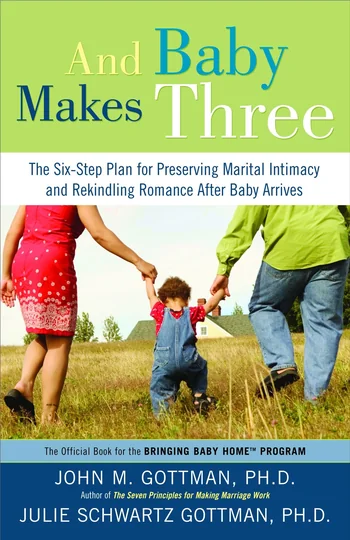
The edition reviewed here is the Harmony paperback (ISBN-13 978-1400097388, 22 January 2008, 272 pages). The cover describes it as the official book for the Bringing Baby Home program and names John Gottman as the author of The Seven Principles for Making Marriage Work. According to the publisher and The Gottman Institute, the book sets out a six-step plan supported by exercises and self-tests, built around the differences between what the authors call master and disaster couples.
According to the publisher, the book helps couples avoid the pitfalls of parenthood by focusing on intimacy and romance, replacing an atmosphere of criticism and irritability with one of appreciation, preventing postpartum depression, and creating a home environment that supports the baby's physical, emotional and mental health and development. The Institute's product page adds that lack of sleep, never-ending housework and new financial concerns often lead to conflict and hurt feelings.
Review & Analysis
This research-based Gottman programme stands out for its preventive focus on the couple:
- Strengths: The book's greatest strength is that it treats the relationship between parents as something worth protecting in its own right, not an afterthought once the baby is settled. The exercises and self-tests turn research into concrete practice, and the master-versus-disaster framing gives couples a clear picture of the habits worth building and the ones worth avoiding.
- Author Credibility: According to The Gottman Institute, Dr. John Gottman is Professor Emeritus of Psychology at the University of Washington, where he founded the Love Lab, and the Institute describes 50 years of research with thousands of couples. Dr. Julie Schwartz Gottman is a licensed clinical psychologist who co-designed the national clinical training program in Gottman Couples Therapy. Together they co-founded The Gottman Institute.
- Weaknesses: In my view, the 2008 voice and examples feel dated in places, and later Gottman books already reviewed on this site cover some of the same skills in a fresher way. The exercises need time and energy that sleep-deprived parents may struggle to find. Claims such as preventing postpartum depression are the publisher's description, not a guarantee, and any concerns about low mood after the birth need professional support.
- Practical Applications: Couples can work through one exercise or self-test a week, ideally starting before the birth, and agree a short daily check-in about how each of them is coping.
- Current Relevance: Relevance in 2026 remains high. The pressures of a new baby on a relationship have not changed (the Amazon.co.uk product page showed 4.5 out of 5 stars from 593 global ratings when this review was prepared).
Pros and Cons
| Pros | Cons |
|---|---|
| Research-based six-step plan for couples after a baby arrives | 2008 voice, with later Gottman books updating some of the same skills |
| Exercises and self-tests that keep the focus on the couple | Exercises take time that tired new parents may struggle to find |
| Official book for the Bringing Baby Home program | Publisher claims, such as preventing postpartum depression, are not a guarantee |
Comparisons & Alternatives
Choose And Baby Makes Three when you want a structured, research-based plan to protect intimacy and friendship through the transition to parenthood, ideally starting before the baby arrives. Choose How Not to Hate Your Husband After Kids by Jancee Dunn when you want a journalist's candid, funny memoir of the same post-baby strain, with advice she gathered from experts. Choose Emotional Regulation for Parents by T.R. Fosters, my top pick for parents, if day-to-day reactivity and overwhelm are what most need calming. If you already know the Gottmans, The Seven Principles for Making Marriage Work is their general marriage-skills flagship and What Makes Love Last? focuses on trust and betrayal, while this book is their transition-to-parenthood title.
| Book | Focus | Best For |
|---|---|---|
| And Baby Makes Three by John Gottman and Julie Schwartz Gottman Check price ❯❯ | Research-based six-step plan to protect the couple after a baby | Expectant and new parents who want a structured, skills-based approach |
| How Not to Hate Your Husband After Kids by Jancee Dunn Read my review ❯❯ Check price ❯❯ | A journalist's memoir of post-baby strain with reported advice | Couples who want to recognise themselves in a candid, funny story |
| Emotional Regulation for Parents by T.R. Fosters Read my review ❯❯ Check price ❯❯ | Mindfulness tools for parental stress and triggers | Parents whose reactivity is straining family life |
Therapist's Buying Guide
When choosing a book for the transition to parenthood, think about timing and style. If your baby has not yet arrived, a preventive, skills-based programme lets you build habits while you still have some time and energy. If you are already in the thick of it and need to feel understood, a lighter, story-led book may be easier to pick up. If one of you is struggling with overwhelm or reactivity, start with emotional regulation. If there is persistent low mood, anxiety, fear or control in the relationship, speak to your midwife, health visitor, GP or a professional rather than relying on a book.
FAQs
Is And Baby Makes Three a baby-care book?
No. It focuses on the relationship between the parents rather than on feeding, sleep or child development, although the publisher says it also aims to help couples create a home that supports the baby's development.
When is the best time to read it?
Ideally during pregnancy, so you can start the exercises before the baby arrives, but it remains useful in the first year or two of parenthood.
What is the Bringing Baby Home program?
The cover describes the book as the official book for the Bringing Baby Home program, a Gottman program for couples becoming parents.
Does it really prevent postpartum depression?
Preventing postpartum depression is one of the aims listed in the publisher's description. It is not a guarantee, and anyone with symptoms of depression after the birth should seek professional help.
How does it compare with How Not to Hate Your Husband After Kids?
Both cover the strain a baby places on a relationship. The Gottmans offer a structured, research-based plan with exercises, while Jancee Dunn writes a journalist's memoir with advice gathered from experts.
Conclusion
From a therapeutic perspective And Baby Makes Three supports two key tasks: protecting friendship and intimacy during one of the most stressful transitions a couple can face, and building a climate of appreciation rather than criticism.
This book suits expectant parents and couples with a baby or toddler, especially those who prefer a structured plan they can follow together.
The core strength is the Gottmans' insistence that the couple relationship deserves care alongside the baby. The main outcome is a shared set of habits for staying connected, appreciative and on the same side as your family grows. If you want a more personal, story-led read, try How Not to Hate Your Husband After Kids, and if stress and triggers are the bigger issue, start with Emotional Regulation for Parents.
Affiliate Disclosure: As an Amazon Associate, I earn from qualifying purchases. The links above are affiliate links, meaning if you click and make a purchase, I may receive a small commission at no extra cost to you. This helps keep my counselling session costs affordable for my clients. View the full Amazon Affiliate Disclosure.
About the Book Reviewer
Rhys Lewis MSc PgDip, is the founder of The Relationship Clinic Wales and a professionally qualified couples therapist.
He is the author of 300 Ways To Improve Your Relationship and Infidelity: A Survival Guide.
Rhys provides these reviews to help clients and readers find the most effective, evidence-based tools for relationship health. View his list of best relationship advice books for couples in 2026 here.
Connect with Rhys: